
Planting
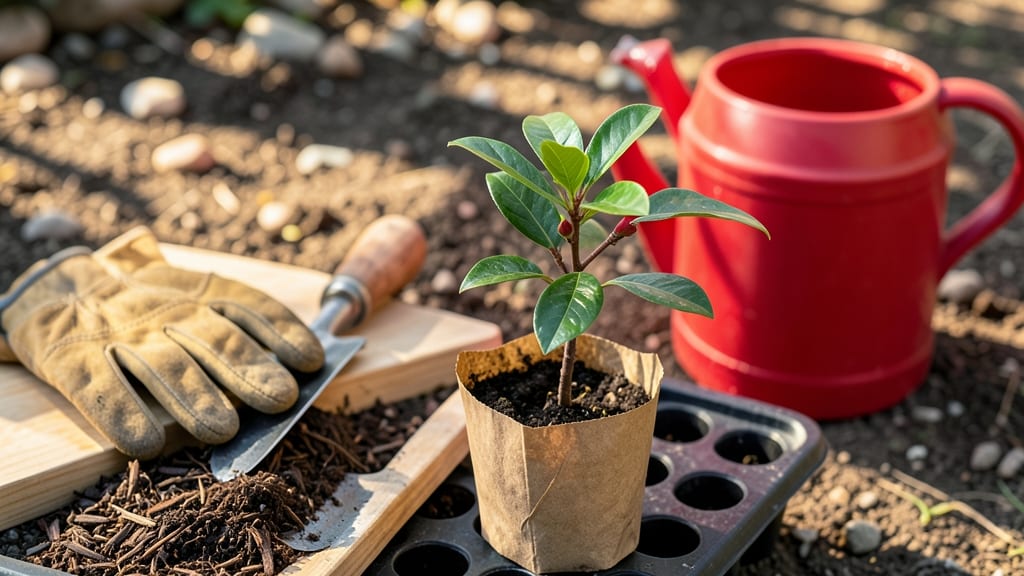
Planting a pomegranate seedling means juicy harvests in just a few years—but only if you nail the early stages. 🌱 The key isn’t just sticking a seedling in the ground; it’s creating the perfect conditions for roots to dive deep and branches to grow strong from day one.
I’ve watched seedlings wither when soil was too rich, and others explode with growth when given the right balance of sun, water, and patience.
Start with well-draining soil mixed with sand or perlite—pomegranates hate soggy roots. They need 6+ hours of full sun daily, so pick a spot where they’ll soak up warmth without afternoon shade.
Water deeply once a week (more in summer heat), but let the top inch dry between waterings. Too much love kills them faster than too little.
By summer’s end, your seedling should be 2-3 feet tall with sturdy stems. Prune leggy growth to encourage bushier shape, and mulch around the base to lock in moisture. The first year is all about building roots—not fruit—so resist the urge to harvest those tempting little seeds.
Common pitfalls? Overwatering (root rot) and poor drainage (fungus). If your seedling’s leaves yellow or drop, it’s usually thirst or stress. Pomegranates thrive in USDA zones 7-11, but even in cooler areas, they’ll reward you with vibrant blooms and eventually, those jewel-like fruits you crave.
📚 In This Guide
- What you need
- Instructions
- Tips and common mistakes
- Wrapping up and next steps
What you need
- ● Pomegranate seeds: 5–10 fresh, plump seeds (harvested from a ripe pomegranate). Pro tip: 💡 Rinse seeds to remove excess pulp before planting!
- ● Seed-starting mix: 1–2 cups of well-draining, sterile potting soil (or a mix of 50% peat moss and 50% perlite/sand).
- ● Small pots or trays: 2–4 biodegradable pots (3–4 inches deep) or a seed tray with drainage holes.
- ● Watering can or spray bottle: For gentle hydration (avoid overwatering!).
- ● Clear plastic wrap or humidity dome: To retain moisture during germination.
- ● Grow lights or sunny windowsill: A warm, bright spot (70–80°F) is ideal for sprouting.
- ● Plant labels: To track seedling progress (e.g., date planted).
- ● Fertilizer (balanced, water-soluble): Diluted to half-strength once seedlings sprout true leaves.
- ○ Heat mat (optional): Speeds up germination if your space is cool.
- ● Pruning shears: For future trimming as the seedling grows.
- ● Larger container (6+ inches): For transplanting once roots establish.
Step-by-step instructions for germinating pomegranate seeds
Here's how I've successfully sprouted dozens of pomegranate seedlings—no fancy tools, just patience and the right conditions.
🌱 Step 1: Extract and Prepare the Seeds
Start with fresh pomegranate seeds—older seeds lose viability fast. Cut open a ripe fruit and scoop out the white seeds, discarding any that look shriveled or discolored. Rinse them in cool water to remove excess pulp, then spread them on a paper towel to dry for 1-2 hours. This prevents mold during germination.
I like to soak the seeds overnight in lukewarm water to soften the tough outer coating. This step isn't mandatory, but it speeds up germination by 3-5 days. Drain them well before planting—soggy seeds rot before they sprout.
💧 Step 2: Plant Seeds in Moistened Growing Medium
Use a lightweight seed-starting mix (never garden soil—it's too dense). Fill small pots or a seed tray with the mix, leaving ½ inch of space at the top. Moisten the mix until it feels like a damp sponge—squeeze it gently, and a few drops should form without dripping.
Plant 2-3 seeds per pot at a depth of ¼ inch, spacing them 1 inch apart. Cover lightly with more mix, then mist the surface with water until evenly damp. Don't pack it down—pomegranate seedlings need loose soil to push through easily.
☀️ Step 3: Provide Warmth and Humidity
Pomegranate seeds need warmth to germinate—75-85°F is ideal. Place the pots in a seedling heat mat or on top of your fridge (the motor provides gentle warmth). Cover the pots with clear plastic wrap or a humidity dome to trap moisture and speed up sprouting.
Check daily for condensation on the plastic. If it fogs up, the humidity is perfect. Seeds typically sprout in 14-28 days, but some take longer—don’t give up after two weeks. Once 50% of seeds sprout, remove the cover immediately to prevent damping-off (a fungal disease that collapses seedlings overnight).
🌿 Step 4: Transplant Seedlings to Larger Pots
When seedlings have 2-3 true leaves (not the first tiny seed leaves), it's time to transplant. Gently remove them from the starter pots, being careful not to damage the roots. Plant one seedling per 4-inch pot, burying the stem up to the first set of leaves—this encourages stronger root growth.
Use the same moistened growing mix, pressing it lightly around the base of each seedling. Water gently until the soil is evenly damp, then place the pots in bright, indirect light (no direct sun yet—young seedlings burn easily). After a week, gradually introduce 4-6 hours of morning sun to harden them off.
⏰ Step 5: Maintain Through the First Year
Keep the soil consistently moist but never soggy—pomegranate seedlings wilt fast if they dry out. Water when the top inch of soil feels dry, and always water at the base to avoid fungal diseases. Fertilize lightly every 4-6 weeks with a balanced, water-soluble fertilizer (half-strength) once the seedlings are 3-4 inches tall.
By winter, your seedlings should be 12-18 inches tall with a sturdy stem. If you live in a cold climate, overwinter them indoors near a sunny window. Next spring, transplant them to the ground or larger containers—now the real fun begins as they grow into fruit-bearing trees.
Tips & tricks for perfect pomegranate seedlings
Took me a while to figure these out, so here goes—these little tricks will help you avoid the pitfalls I encountered while growing dozens of pomegranate seedlings.
Seed Selection: The quality of your seeds makes all the difference. Choose seeds from a ripe, healthy pomegranate—look for plump, white seeds without any brown spots or wrinkles. I've found that seeds from organic pomegranates germinate faster, likely because they're less likely to have been treated with preservatives that can inhibit sprouting. If you're using store-bought seeds, give them an extra 10-minute soak to remove any residual chemicals.
Germination Environment: The 75-85°F temperature range is non-negotiable for pomegranate seeds—any cooler and they'll take forever, any hotter and they risk drying out. I place my pots on top of my fridge (the motor provides just enough warmth) and cover them with plastic wrap. The key is checking daily for condensation—if you see fogging on the plastic, your humidity is perfect. If not, add a few more spritzes of water to the soil. This simple check saved me from multiple failed batches.
Transplant Timing: Don't rush the transplant! Wait until you see 2-3 true leaves (not the first tiny seed leaves) before moving seedlings to larger pots. I've learned this the hard way—transplanting too early stresses the delicate roots. When you do transplant, bury the stem up to the first set of leaves. This might seem counterintuitive, but it actually encourages stronger root growth by creating a more stable base for the seedling.
Light Transition: The gradual introduction of 4-6 hours of morning sun is crucial—young seedlings burn easily if exposed to direct sunlight too soon. I start with just 2 hours on the first day, then add an extra hour each subsequent day until reaching the full 6 hours. This slow acclimation prevents sun shock and gives your seedlings time to develop protective pigments. Think of it like sunbathing—you wouldn't go from zero to full sun exposure in one day either!
Pro Tips for Pomegranate Seedling Plant
- Took me a while to figure these out, so here goes—these little tricks will help you avoid the pitfalls I encountered ...
- Seed Selection: The quality of your seeds makes all the difference. Choose seeds from a ripe, healthy pomegranate—loo...
- Germination Environment: The 75-85°F temperature range is non-negotiable for pomegranate seeds—any cooler and they'll...
Frequently asked questions
Got questions about growing a pomegranate seedling? You’re not alone! Here are answers to the most common queries to help you nurture a thriving tree from seed.
How long does it take for a pomegranate seed to germinate?
A pomegranate seed typically germinates within 2 to 4 weeks if kept in warm, moist conditions (around 70–80°F). Patience is key—some seeds may take up to 6 weeks, especially if the soil is too cold or dry. For faster results, use a seedling heat mat or warm spot in your home.
Can I grow a pomegranate tree from a grocery store seed?
Yes, but with a caveat! Store-bought pomegranates are often hybridized for sweetness, so seeds may not produce true-to-type fruit. For reliable results, source seeds from a heirloom or cold-hardy variety (like ‘Wonderful’ or ‘Eversweet’). If you’re okay with surprises, grocery seeds can still yield a unique tree!
When is the best time to plant pomegranate seedlings outdoors?
Plant seedlings after the last frost in spring (when soil temps reach 60°F+) or in early fall (6–8 weeks before your first frost). Pomegranates thrive in USDA Zones 7–11 and need full sun (6+ hours/day). Avoid transplanting during extreme heat or cold to reduce shock.
Why isn’t my pomegranate seedling growing? Troubleshooting tips.
Slow growth? Check these common issues:
- Lack of sunlight: Move to a sunnier spot or use grow lights.
- Over/under-watering: Keep soil evenly moist (not soggy).
- Poor drainage: Ensure pots have drainage holes to prevent root rot.
- Nutrient deficiency: Fertilize lightly with a balanced 10-10-10 mix every 4–6 weeks.
If yellowing leaves appear, test for pests (like aphids) or fungal issues (adjust humidity or spray neem oil).
Are there dwarf pomegranate varieties for small spaces?
Yes! If space is limited, opt for dwarf or semi-dwarf varieties like:
- ‘Nana’ (compact, great for containers, 3–5 ft tall)
- ‘Sweetheart’ (dwarf, produces small but flavorful fruit)
- ‘Wonderful’ (standard size but can be pruned for smaller growth)
Use large pots (15+ gallons) for container growing and ensure they have drainage. Dwarf trees still need full sun and regular pruning to maintain shape.
Wrapping up and next steps
Growing a pomegranate seedling plant from scratch is a rewarding journey that blends patience with the joy of nurturing life!
With the right seeds, soil, and care, you’re well on your way to cultivating a thriving fruit tree that’ll dazzle your garden—and maybe even your kitchen—with its vibrant blooms and juicy harvests. 🌱
Now that you’re armed with germination secrets, take the next step: plant those seeds with confidence and watch your green thumb grow stronger. Happy planting—and may your pomegranate tree flourish for years to come! 🍇✨