
Planting
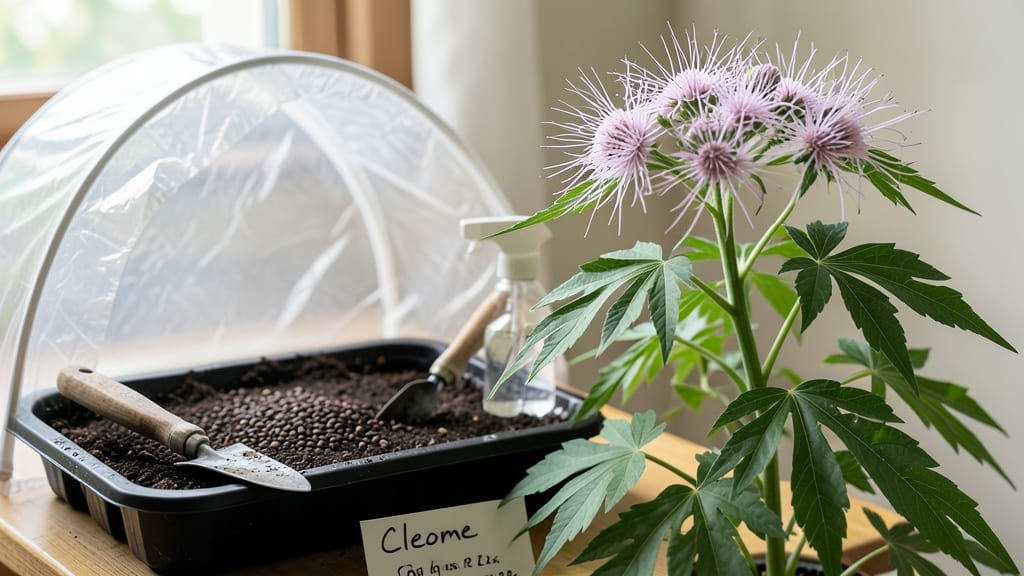
Sowing cleome seeds gives you those shockingly tall floral spikes that turn heads in summer gardens—and they bloom in just 60 days from seed. 🌻 I’ve grown cleome for years, and the secret to success isn’t complicated: these seeds love heat, hate soggy soil, and don’t need fancy tricks like scarification.
The real magic happens when you time your planting right and give them space to stretch. You’ll need a sunny spot (at least 6 hours of direct light daily), well-draining soil, and a 1/4-inch deep planting spot.
Cleome seeds are large and easy to handle—no need for thinning if you space them 12 inches apart right from the start. They germinate fastest in warm soil (70°F+), so wait until after your last frost or start indoors 4-6 weeks early if your spring is chilly.
Once they pop up, water lightly to keep the soil evenly moist but not soggy—these plants despise wet feet. Within weeks, you’ll see those signature spiky blooms in shades of pink, white, and purple, attracting bees and hummingbirds like crazy.
The key is patience: let them grow tall before deadheading spent blooms to encourage more flowers. No stratification or scarification needed—just direct sow after frost or start indoors with a heat mat if you’re eager.
Cleome’s fast growth and drought tolerance make it perfect for low-maintenance sunny borders or cutting gardens. Ready to grow these showstoppers?
📚 In This Guide
- What you need
- Instructions
- Tips and common mistakes
- Wrapping up and next steps
What you need
- ● Cleome seeds: 10–20 seeds (depending on desired plant count; spacing ~12–18 inches apart). Opt for Cleome hassleriana for classic spikes or Cleome spinosa for a wild, drought-tolerant look.
- ● Well-draining potting mix: 1–2 gallons (sterilized, seed-starting blend preferred). Avoid heavy garden soil—cleome hates soggy roots! 💧
- ● Containers or seed trays: For direct sowing: 4–6-inch deep pots or a seed tray with drainage holes.
- ● For outdoor planting: Prepare a sunny spot with loose, amended soil (mix in compost or perlite).
- ● Drainage trays or saucers: 1–2 (to catch excess water and prevent root rot).
- ● Spray bottle or watering can (with a fine mist nozzle).
- ○ Gloves (optional but helpful—cleome seeds can be sticky!).
- ● Plant labels + marker (to track varieties if sowing multiple types).
- ○ Heat mat (optional for indoor starts; speeds germination if temps dip below 60°F/15°C).
- ○ Grow lights (optional for indoor seedlings; 12–16 hours of light/day).
- ● Fertilizer: Balanced starter fertilizer (5-10-5 or similar, diluted to half-strength).
- ○ Compost tea (optional, for a gentle nutrient boost post-germination).
- ● Mulch (straw or shredded leaves; helps retain moisture after transplanting).
Step-by-Step instructions for sowing cleome seeds
Cleome thrives on speed and boldness—here’s how to coax those striking spikes into your garden fast.
🌱 Step 1: Choose the Right Time and Location
Cleome seeds germinate best in warm soil, so wait until nighttime temperatures stay above 55°F—typically after your last frost date. I always check my local frost calendar and mark the date 2-3 weeks before planting; this gives the soil time to warm naturally.
Select a sunny spot with full sun exposure (at least 6-8 hours daily). Cleome’s dramatic spikes grow tall and leggy when shaded, so avoid planting near tall shrubs or under trees. The more sun, the faster and fuller the blooms will appear.
🌱 Step 2: Prepare the Soil and Sow Seeds
Loosen the soil to a depth of 6-8 inches with a garden fork or tiller, breaking up any compacted layers. Cleome roots love to spread, so avoid heavy clay without amending it with compost or aged manure—this improves drainage and nutrient availability.
Scatter seeds ¼ inch deep and 12 inches apart in rows spaced 18 inches apart. I like to tap the seed packet gently to release one seed at a time—planting too many in one spot leads to weak, crowded seedlings. Water gently but thoroughly after sowing to settle the soil around the seeds.
☀️ Step 3: Provide Warmth and Wait for Germination
Cleome seeds germinate fastest in 70-80°F soil, so I often use a black plastic mulch to warm the soil and retain moisture. Cover the area with the mulch immediately after sowing—it also suppresses weeds, giving your cleome a head start.
Germination takes 7-14 days, depending on soil warmth. You’ll see the first true leaves appear as small, rounded cotyledons, followed by the distinctive fern-like foliage. Avoid disturbing the seedlings while they’re young; cleome roots are sensitive to transplant shock.
💧 Step 4: Thin and Support for Bold Growth
Once seedlings reach 3-4 inches tall and have 3-4 true leaves, thin them to 12-18 inches apart. Use sharp scissors to snip unwanted seedlings at the base—this prevents disturbing the roots of the plants you’re keeping. I always thin on a cloudy day to reduce stress on the remaining plants.
Install stakes or cages at planting time to support the tall spikes. Cleome can grow 4-6 feet tall, and without support, the stems flop over. I use 5-foot bamboo stakes tied loosely with soft twine—tight ties can damage the stems as they grow.
✂️ Step 5: Maintain Moisture and Deadhead for Continuous Blooms
Water deeply once a week during dry spells, aiming for 1 inch of water per week. Cleome is drought-tolerant once established, but consistent moisture during the first 6-8 weeks ensures strong root development. You’ll know moisture is right when the soil feels damp 2 inches down.
Deadhead spent blooms by pinching off the flower heads with your fingers—this encourages more blooms and prevents the plant from self-seeding aggressively. I always do this in the morning when the flowers are dry, which minimizes the risk of spreading any potential fungal spores.
Tips & tricks for perfect cleome growth
These insider tricks will help you grow showstopping cleome spikes without the common pitfalls. I've learned these the hard way—from overcrowded seedlings to flopping stems.
Soil Warmth Secret: Cleome seeds need soil temperatures between 70-80°F to germinate reliably. If your spring is cool, use a clear plastic tunnel or cold frame to raise soil temperatures by 10-15°F. I've seen germination times cut in half this way. The black plastic mulch mentioned in Step 3 works wonders, but for extra insurance in chilly climates, add a layer of newspaper under the mulch to create a mini greenhouse effect.
Thinning Technique: When thinning in Step 4, don't just pull seedlings—use sharp scissors to snip at the base. This prevents disturbing the roots of your remaining plants, which cleome particularly dislikes. I always thin on an overcast morning when temperatures are below 75°F to reduce stress on the plants. The goal is to leave your strongest seedlings standing 12-18 inches apart, with no competition for sunlight or nutrients.
Support System: Install your 5-foot bamboo stakes immediately after sowing, not when you notice the plants leaning. Cleome stems grow rapidly and can become top-heavy. I like to use soft twine or even old pantyhose cut into strips—they're gentle on the stems and won't cut into them as the plants grow. Tie the stakes loosely at first, then adjust as the plants grow taller.
Watering Wisdom: During those first critical 6-8 weeks, water deeply but infrequently. The key is to keep the soil consistently moist 2 inches down, not soggy. I use a moisture meter to check—aim for the happy medium between dry and waterlogged. Once established, cleome becomes remarkably drought-tolerant, but don't wait until the soil is bone-dry to water, or you'll stress the plants during their most vulnerable growth phase.
Pro Tips for Sowing Cleome Seeds
- These insider tricks will help you grow showstopping cleome spikes without the common pitfalls. I've learned these th...
- Soil Warmth Secret: Cleome seeds need soil temperatures between 70-80°F to germinate reliably. If your spring is cool...
- Thinning Technique: When thinning in Step 4, don't just pull seedlings—use sharp scissors to snip at the base. This p...
Frequently asked questions
Got questions about sowing cleome seeds? You’re not alone—these vibrant bloomers can be tricky for beginners! Here are answers to the most common queries to help you grow stunning cleome hassleriana with confidence.
When is the best time to plant cleome seeds?
Sow cleome seeds outdoors after the last frost when soil is warm (at least 60°F/15°C). For cooler climates, start indoors 6–8 weeks before the last frost using seed trays. Cleome seeds hate cold soil, so patience pays off—waiting ensures faster, healthier growth!
Do cleome seeds need light to germinate?
Nope! Cleome seeds are light-sensitive but do not need light to germinate. Plant them ½ inch deep in well-draining soil, keep it moist (not soggy), and they’ll sprout in 7–21 days. Once sprouted, move seedlings to bright, indirect light to prevent leggy growth.
Why aren’t my cleome seeds germinating?
Common culprits include cold soil, overwatering (which causes rot), or old seeds (viability drops after 2–3 years). Try these fixes:
- Use a seed heating mat (70°F/21°C) for faster sprouting.
- Ensure soil is moist but not waterlogged—think "damp sponge," not swamp.
- Test seed viability by soaking a few in water; if they sink, they’re likely good.
Can I grow cleome from cuttings or save seeds?
Cleome does not root from cuttings, but you can save seeds for next year! Let spent flowers dry on the plant, then collect the long seed pods (they’ll turn brown and split open). Store seeds in a cool, dry place for up to 3 years. Pro tip: Wear gloves—cleome seed pods explode when ripe!
What’s the fastest way to get cleome flowers?
For bold blooms ASAP, follow these speed hacks:
- Direct sow outdoors after frost (no transplant shock!).
- Use well-draining soil (cleome hates soggy feet).
- Fertilize lightly with low-nitrogen, high-phosphorus feed (like 5-10-10) when seedlings are 4–6 inches tall.
- Deadhead spent blooms to encourage more flowers.
Still stumped? Drop your cleome conundrums in the comments—we’re happy to help your garden pop with color!
Wrapping up and next steps
Sowing cleome seeds is a rewarding way to add drama and color to your garden with minimal effort! These fast-growing beauties thrive in sunny spots and deliver stunning blooms in just a few months—perfect for beginners or busy gardeners. 🌸
Now that you’re armed with the right tips, grab those seeds and get planting! Start with just a few pots or a small patch to test the waters, and soon you’ll be enjoying a garden full of cheerful cleome spikes. Happy growing—your future blooms will thank you! 🌱