
Planting
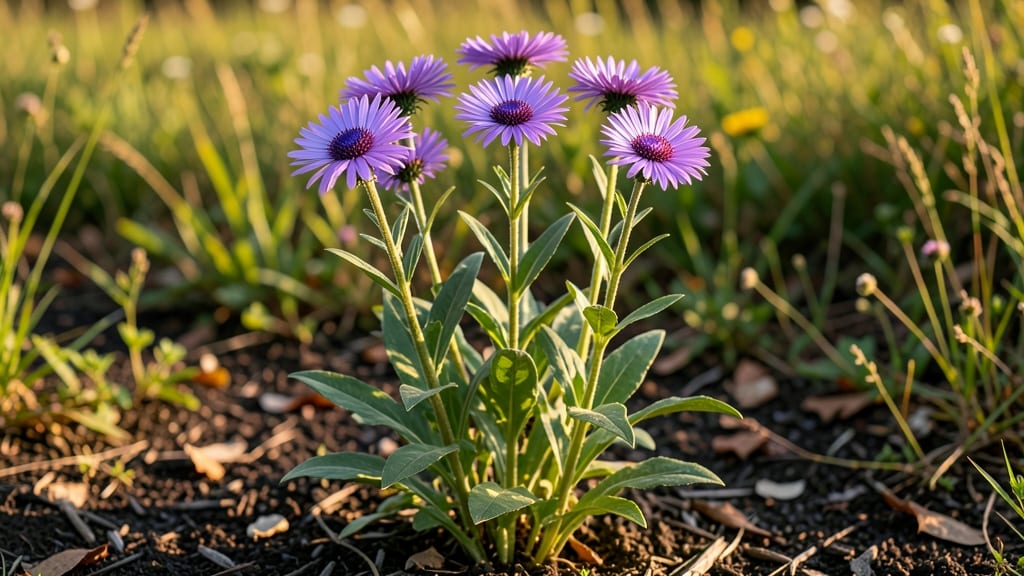
The aster plant size can vary dramatically from 3 feet tall to 6 feet, depending on the variety—with some bold types even reaching 8 feet if left unchecked. 🌻 New England asters, for example, tower elegantly, while China asters stay more compact, making them perfect for borders.
The key to managing their size isn’t just pruning—it’s understanding their natural growth patterns and when to guide them.
Proper spacing is everything: give tall varieties 2-3 feet between plants, while dwarf types like ‘Little Carlow’ thrive with just 12-18 inches of room. Pruning isn’t just about cutting back—it’s about shaping them to fit your garden.
Pinch back early growth to encourage bushier habits, and deadhead spent blooms to redirect energy into more flowers. This keeps them from flopping or becoming leggy.
When done right, your asters will burst with vibrant purple, pink, or white blooms from late summer through fall, looking like they’re straight out of a cottage garden. The secret is timing: prune in early spring to control height, then again after flowering to prep for next year.
With the right approach, even the tallest varieties stay sturdy and full.
Whether you’re working with a 6-foot border or a small patio container, these techniques adapt easily. The goal isn’t just size control—it’s creating a garden that feels lush, intentional, and full of color. Ready to transform those wild stems into showstopping plants?
📚 In This Guide
- What you need
- Instructions
- Tips and common mistakes
- Wrapping up and next steps
What you need
- ● Healthy aster plants: Start with 3–5 young aster plants (e.g., Symphyotrichum spp.) or seeds. Choose varieties suited to your climate (e.g., New England aster, China aster).
- ● Well-draining potting mix: 10–15 lbs of a blend like Pro-Mix or a 60/40 mix of peat moss and perlite for containers. For in-ground planting, amend soil with 2–3 inches of compost.
- ● Pruning shears: Sharp, bypass-pruning shears (e.g., Fiskars or Felco) to trim stems cleanly without crushing.
- ● Gloves: A pair of gardening gloves (e.g., Cotton or nitrile-coated) to protect hands from thorns or sap.
- ● Watering can or hose: A gentle spray nozzle or watering can with a rose attachment for even moisture.
- ● Fertilizer: Balanced 10-10-10 or slow-release granular fertilizer (e.g., Osmocote) for established plants.
- ● Sunlight access: Full sun (6+ hours daily) for optimal growth. Partial shade (4–6 hours) works for cooler climates.
- ○ Support (optional): Stakes or cages (e.g., 5–6 ft bamboo stakes) if your aster variety grows tall (e.g., over 3 ft).
- ○ Mulch (optional): 2–3 inches of organic mulch (e.g., straw or shredded bark) to retain moisture and suppress weeds.
- ○ Spray bottle (optional): For misting seedlings or cuttings during propagation.
Instructions for pruning asters to maximize size and bloom
Here’s how to coax your asters into lush, multi-branched shrubs bursting with flowers—no guesswork involved.
✂️ Step 1: Time Your First Pruning for Early Growth
Wait until late spring, after the last frost but before new growth exceeds 4 inches tall. This is your window to shape the plant’s foundation. I always check for at least 3-4 sets of true leaves—that’s when the plant has enough energy to recover from pruning.
Use clean, sharp pruners (sterilized with rubbing alcohol) to cut back one-third of the tallest stems at a 45-degree angle, about ½ inch above a leaf node. This angle prevents water from pooling and rotting the cut. Avoid cutting into old, woody stems—focus on the fresh, green growth.
🌿 Step 2: Encourage Bushiness Through Mid-Season Pinching
Once your asters hit 12-18 inches tall, it’s time for pinching. This isn’t harsh pruning—just a gentle nudge to trigger lateral branches. Use your fingers (no tools needed) to squeeze off the top set of leaves on the three strongest stems. You’ll see new side shoots emerge within 2-3 weeks—that’s your reward for patience.
Here’s the thing—if you skip this, your asters will grow tall and leggy with just one main stem and a few sad flowers. Pinching now ensures dense, bushy growth with dozens of blooms later. Water deeply after pinching to help the plant recover.
☀️ Step 3: Deadhead and Prune for Continuous Blooms
When spent flowers appear (petals droop and turn brown), snip them off right at the base where the stem meets the foliage. This redirects the plant’s energy into producing new buds instead of setting seed. I do this every 3-5 days during peak bloom—it keeps my asters flowering for weeks longer than unpruned plants.
For woody, overgrown stems by mid-summer, cut them back by half to encourage fresh growth. Avoid pruning after mid-August in colder climates—new growth won’t harden off before frost. In warmer zones, you can push it to early September for a late-season flush of flowers.
⏰ Step 4: Late-Season Cleanup for Next Year’s Growth
After the first frost blackens the foliage, cut back all stems to 2-3 inches tall. This might seem brutal, but it prevents disease and pests from hiding in dead growth over winter. I leave the bare stems standing—they’ll sprout fresh leaves in spring, and you’ll have a head start on shaping the plant.
Mulch around the base with 2-3 inches of organic mulch (like shredded leaves) to insulate roots. This protects against freeze-thaw cycles and keeps the soil moist for early spring regrowth. Mark the spot with a stake if you’re unsure where it is—asters can get lost in the garden’s hustle and bustle.
🌱 Step 5: Adjust Pruning for Dwarf vs. Tall Varieties
Dwarf asters (under 2 feet tall) need minimal pruning—just a light pinch in early summer and deadheading. Tall varieties (3-5 feet) benefit from harder cuts to prevent flopping. For these, stake the main stems early (before they get top-heavy) and prune aggressively in spring to encourage multiple strong branches.
Pro tip: If your asters never bloom, they’re likely overpruned or underfed. Boost with a balanced fertilizer (10-10-10) in early spring and reduce pruning to just deadheading. You’ll see flowers within 4-6 weeks of adjusting care.
Tips & tricks for perfect aster plant growth
These pruning secrets will transform your asters from scraggly stems to a lush, flower-filled spectacle.
Timing is Everything: The late spring window for your first pruning—after the last frost but before growth exceeds 4 inches—is non-negotiable. I’ve learned this the hard way: pruning too early stresses the plant, while waiting too long sacrifices your chance to shape its foundation. Check for those 3-4 sets of true leaves as your green light; they’re nature’s way of saying "I’m ready."
Precision Cuts Matter: That 45-degree angle when pruning isn’t just aesthetic—it’s functional. The sloped cut prevents water from pooling at the stem base, which would otherwise invite rot. Focus your cuts on fresh, green growth rather than woody stems; old wood won’t regenerate new shoots. I sterilize my pruners with rubbing alcohol between plants to prevent disease spread—it’s a small habit that pays off big time in summer blooms.
Pinching Pays Off: The mid-season pinch on those three strongest stems might seem counterintuitive, but it’s the secret to bushy growth. When you remove just the top set of leaves, you’re telling the plant, "Grow sideways!" Those new side shoots will emerge within 2-3 weeks, creating a fuller, more productive shrub. Water deeply after pinching to help the plant recover—think of it as giving your asters a post-workout drink.
Seasonal Strategy: Your late-season cleanup—cutting back to 2-3 inches—might look drastic, but it’s actually a kindness. This brutal pruning prevents pests and diseases from overwintering in dead growth. The bare stems you leave standing will surprise you in spring with fresh leaves sprouting from their base. Mark your plant’s location with a stake if you’re unsure where it is; asters can get lost in the garden’s hustle, and you’ll want to give them that head start next year.
Pro Tips for Aster Plant Size
- These pruning secrets will transform your asters from scraggly stems to a lush, flower-filled spectacle.
- Timing is Everything: The late spring window for your first pruning—after the last frost but before growth exceeds 4 inches—is non-negotiable.
- Precision Cuts Matter: That 45-degree angle when pruning isn’t just aesthetic—it’s functional.
Frequently asked questions
Got questions about managing your aster plant size? You’re not alone! Here are the most common queries—plus expert answers to keep your blooms thriving.
How fast do aster plants grow, and when can I expect flowers?
Asters typically grow 1–2 feet per season, depending on variety and care. Most annual asters bloom in late summer to fall (August–October), while perennials may take 1–2 years to establish and flower. Patience pays off—healthy roots = bigger blooms!
Should I prune asters to control their size, and when?
Yes! Prune early spring to shape the plant and remove dead stems. For bushier growth, pinch back new shoots by ⅓ in spring. Avoid heavy pruning after flowering, as it can reduce next year’s blooms. Use clean, sharp shears to prevent disease.
Why is my aster plant growing too tall and leggy?
Leggy growth usually means too little light or overcrowding. Move your plant to full sun (6+ hours/day) and thin out stems to improve airflow. If potted, repot in early spring to refresh soil nutrients. A balanced 10-10-10 fertilizer (applied in spring) can also boost compact growth.
Can I grow asters in containers, and how do I keep them from getting too big?
Choose dwarf varieties (like ‘Wood’s Blue’ or ‘Profusion’) for containers. Use a 5–7 gallon pot with drainage holes and well-draining soil. Prune regularly to control height, and rotate the pot weekly for even growth. Deadhead spent blooms to encourage more flowers in limited space!
What’s the best way to revive an aster plant that’s stopped growing?
Check for root rot (soggy soil = bad!) or nutrient deficiency (yellow leaves = hungry plant). Trim dead foliage, water at the base (not overhead), and feed with a low-nitrogen fertilizer (like 5-10-10). If roots are mushy, repot in fresh soil. Often, a spring prune wakes them up!
Wrapping up and next steps
Mastering the aster plant size through smart pruning unlocks a garden bursting with vibrant blooms and lush foliage! 🌸 Whether you’re trimming for shape, encouraging bushier growth, or reviving leggy stems, the key lies in timing, technique, and consistency.
With the right tools and a little patience, your asters will thrive year after year.
Ready to transform your garden? Start small—pick one plant this season and experiment with the tips you’ve learned. Before you know it, your yard will be a showstopper of color and vitality! 🌿