
Planting
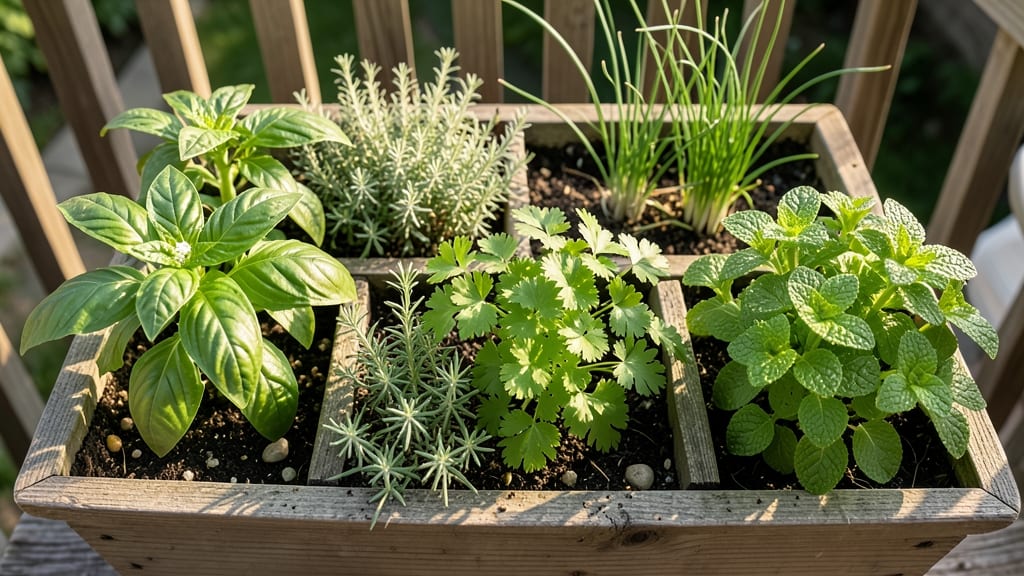
A balcony plant box turns empty space into a thriving garden. 🌿 I've transformed my tiny city balcony into a lush retreat using simple boxes that stack vertically, maximizing every square inch without sacrificing beauty or productivity.
The right setup starts with lightweight materials like cedar or recycled plastic—both resist rot and won't crush your balcony's weight limits. Add drainage holes (or a cache pot) to prevent soggy roots, and choose plants that love containers: herbs like basil, trailing petunias, or compact lettuce varieties.
My 12-inch-deep boxes hold enough soil for robust growth while keeping the weight manageable. By the end of summer, you'll have a fragrant herb garden, cascading flowers, and maybe even a few homegrown veggies—all within arm's reach. The best part?
You can rearrange boxes to follow the sun or create seasonal displays without permanent changes. For extra flair, add shelves between boxes for more plants or cozy seating. The key is keeping it functional while making your balcony feel like an extension of your home—no green thumb required.
📚 In This Guide
- What you need
- Instructions
- Tips and common mistakes
- Wrapping up and next steps
What you need
- ● Wood: Untreated cedar, redwood, or pine (2x6 or 2x8 boards, 4–6 pieces, ~4–6 ft long each). Avoid pressure-treated wood for edible plants.
- ● Screws: Exterior-grade deck screws (1.5–2 inches long, 20–30 screws).
- ● Drill & drill bits: Cordless drill with Phillips and pilot bits.
- ● Measuring tape & pencil: For precise cuts.
- ● Sandpaper (80–120 grit): To smooth rough edges.
- ○ Waterproof sealant: Optional but recommended for longevity.
- ● Drainage supplies: Drill bit (for holes, ¼–½ inch diameter).
- ● Plastic mesh or landscape fabric (to cover holes).
- ● Potting soil: Lightweight, well-draining mix (1–2 bags, ~1–2 cubic feet).
- ● Plants: Choose compact varieties like herbs (basil, thyme), succulents, or trailing ivy.
- ● Hanging hardware: S-hooks or brackets for wall-mounted boxes.
- ● Casters/wheels: For movable planters.
- ● Decorative trim: Paint, stain, or lattice for a polished look.
- ● Self-watering kit: For low-maintenance greenery.
Instructions: build a functional balcony plant box
Here’s how to transform a simple box into a thriving vertical garden that maximizes every inch of your balcony.
🪴 Step 1: Select and Prepare the Plant Box
Choose a sturdy box with drainage holes—12-18 inches deep works best for most herbs, succulents, or shallow-rooted veggies. I like cedar or redwood for their natural rot resistance, but plastic trays with pre-drilled holes also work. Line the bottom with landscape fabric to prevent soil from washing out while still allowing water drainage.
Measure your balcony’s weight limits first. A 12-inch-wide box filled with moist soil weighs about 15-20 pounds per foot of length. Secure the box to the railing with heavy-duty brackets or S-hooks to prevent wind tipping. If you’re stacking multiple boxes, space them 6 inches apart for airflow and easy access.
🌱 Step 2: Layer Soil and Amendments for Drainage
Fill the box with a mix of 60% potting soil, 30% perlite or coarse sand, and 10% compost to ensure proper drainage while retaining moisture. I like to add a 1-inch layer of gravel at the bottom first—this prevents soil from clogging drainage holes and keeps roots oxygenated.
Don’t compact the soil too tightly. Press it down just enough to hold plants upright, but leave it loose enough for roots to spread. For containers without drainage, add 20% more perlite to the mix to prevent waterlogging. Test your soil’s moisture by squeezing a handful—it should hold together but not drip water when pressed.
☀️ Step 3: Plant Strategically for Sun and Growth Habits
Arrange plants based on their sunlight needs and growth patterns. Place sun-lovers like basil, thyme, or peppers in the southernmost spots, while shade-tolerant herbs like parsley or chives go toward the north. Space plants 6-12 inches apart, depending on their mature size—crowding leads to competition for water and nutrients.
Dig holes just deep enough to accommodate the root ball without burying the stem too deep. Water each plant gently after planting to settle the soil around the roots. If you’re growing trailing plants like nasturtiums or strawberries, leave extra space at the edges for vines to spill over. This creates a natural, cascading effect that maximizes vertical space.
💧 Step 4: Water and Maintain for Long-Term Success
Water deeply every 2-3 days in the first week, then adjust based on weather and plant type. Stick your finger 1 inch into the soil—if it feels dry, it’s time to water. Overwatering is the biggest killer of balcony plants, so always check for soggy soil before adding more moisture. A drip irrigation system or self-watering tray can help automate care if you travel often.
Fertilize lightly every 4-6 weeks with a balanced liquid fertilizer diluted to half strength. Too much fertilizer burns roots, especially in small containers. Watch for pests like aphids or spider mites—spray plants with neem oil weekly as a preventive measure. If leaves yellow or wilt, it’s usually a sign of either overwatering or insufficient light.
✂️ Step 5: Prune and Harvest for Continuous Growth
Pinch back leggy growth to encourage bushier plants. For herbs like basil, trim the top set of leaves when the plant reaches 6 inches tall—this stimulates branching and keeps the plant compact. Harvest regularly to prevent flowering, which can make leaves bitter or woody. Always cut just above a leaf node to encourage new growth from that spot.
Rotate your plant box a quarter turn weekly to ensure even sunlight exposure. This prevents plants from leaning toward the light and keeps them growing upright. In late summer, reduce watering slightly as temperatures rise—containers dry out faster in heat. If your balcony gets cold winds, move tender plants indoors or cover them with frost cloth before the first frost.
Tips & tricks for perfect balcony plant boxes
These practical strategies will help you avoid common pitfalls and create a thriving vertical garden that lasts all season.
Material Selection: For wooden boxes, choose untreated cedar or redwood—they naturally resist rot and pests better than pine. If using plastic, opt for UV-resistant trays to prevent degradation from sun exposure. I’ve found that cedar boxes last 3-4 years with proper sealing, while plastic ones may need replacing after 2-3 seasons due to cracking from temperature fluctuations. The 12-18 inch depth is perfect for most herbs and shallow-rooted plants, but if you’re growing carrots or beets, consider a deeper box or separate containers.
Drainage System: The 1-inch gravel layer at the bottom is your first line of defense against clogged drainage. For boxes without pre-drilled holes, drill your own using a 3/8-inch bit—space them every 6 inches along the bottom. I’ve learned the hard way that inadequate drainage leads to root rot, especially with moisture-loving plants like basil or mint. If your balcony has a steep slope, elevate the box on cinder blocks or adjustable feet to prevent water pooling underneath during heavy rains.
Plant Placement: When arranging your plants in Step 3, consider their mature growth habits. Tall plants like rosemary or sunflowers should go at the back, while trailing varieties like nasturtiums or strawberries belong at the edges. I’ve found that spacing plants 8-10 inches apart gives them enough room to grow without competing for nutrients—this is especially important in the 60% potting soil mix where nutrients deplete faster than in garden beds. For containers without drainage, reduce spacing slightly to 6-8 inches since they dry out more quickly.
Maintenance Shortcuts: Install a simple drip irrigation system using a soaker hose connected to a timer—this automates the every 2-3 days watering schedule and prevents overwatering. For pest control, I keep a spray bottle of neem oil mixed with water (1 tbsp per cup) in my balcony toolkit. Apply it weekly during warm months, and you’ll see fewer aphids and spider mites. The quarter turn weekly rotation isn’t just about even sunlight—it also helps you spot pests early on the undersides of leaves that might otherwise be hidden.
Pro Tips for Plant Box For Balcony
- These practical strategies will help you avoid common pitfalls and create a thriving vertical garden that lasts all season.
- Material Selection: For wooden boxes, choose untreated cedar or redwood—they naturally resist rot and pests better than pine.
- Drainage System: The 1-inch gravel layer at the bottom is your first line of defense against clogged drainage.
Frequently asked questions
Got questions about balcony plant boxes?
You’re not alone! Here are answers to the most common queries to help you grow confidently—no green thumb required.
What’s the best material for a balcony plant box?
A durable, lightweight material like cedar, redwood, or plastic works best. Cedar resists rot and pests, while plastic is budget-friendly and easy to clean. Avoid untreated wood—it may warp or leach chemicals. For weight concerns, opt for hollow-core designs or lightweight composites.
When is the best time to plant in a balcony box?
Timing depends on your climate! In mild zones, plant in early spring (after last frost) or late summer. For cooler areas, wait until May or June. Herbs and leafy greens tolerate cooler temps, while tomatoes and peppers need warm soil (60°F+). Always check seed packets for specifics!
Can I reuse old containers as plant boxes?
Clean, sturdy containers
like wooden crates, pallets, or even plastic bins can work. Just ensure they have drainage holes (drill them if needed) and avoid treated wood with toxic chemicals. Line the bottom with landscape fabric to prevent soil loss. Pro tip: Add wheels to heavy containers for easy moving!
How do I keep my balcony plants from drying out?
Balconies can be sunny and windy, so water deeply 2–3 times weekly (daily in extreme heat). Use self-watering boxes or moisture-retentive soil mixes with coconut coir. Group plants with similar water needs, and mulch the surface to lock in moisture. Morning watering reduces evaporation.
What if my balcony plants get pests?
Start with organic prevention: Neem oil spray deters aphids and mites, while companion planting (e.g., marigolds + tomatoes) repels pests naturally. For severe infestations, isolate affected plants and use insecticidal soap. Check undersides of leaves daily—early action is key!
Wrapping up and next steps
A plant box for balcony is the perfect way to transform even the tiniest outdoor space into a lush, green sanctuary—no matter how limited your square footage! Whether you’re growing herbs, veggies, or flowers, these space-saving designs maximize your greenery while adding beauty and fresh air to your urban retreat.
Ready to dive in? Start small—pick a design, gather your supplies, and let your balcony bloom! Your future self (and your plants) will thank you! 🌱✨