
Planting
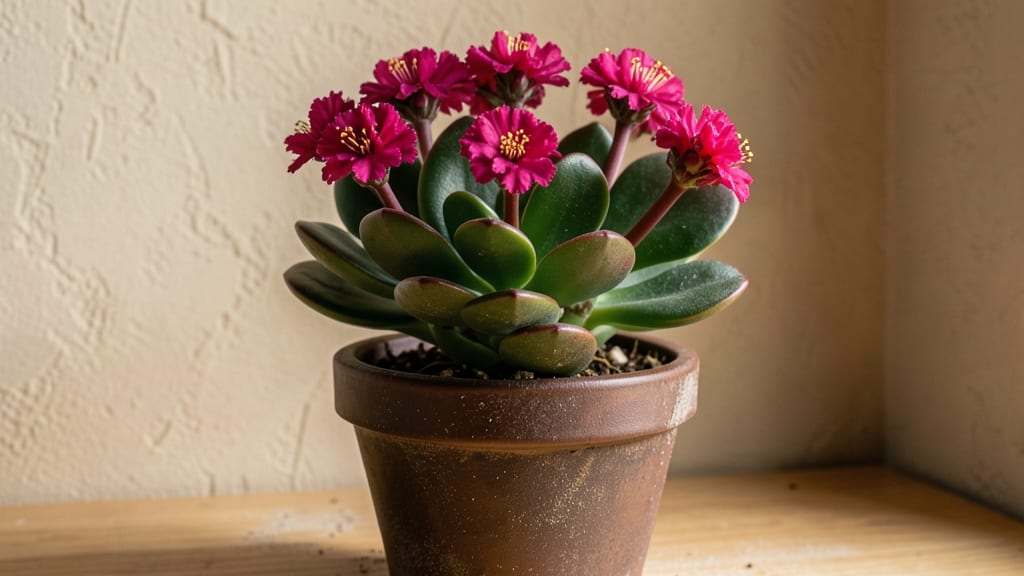
The Miss Kim plant turns your home into a velvety green sanctuary with almost no effort. 🌿 This Korean beauty bush thrives on neglect, its fuzzy silver-blue leaves adding texture to any shelf or windowsill.
What makes it special? It’s the ultimate beginner-friendly plant that repays your minimal care with year-round drama.
Light is the only thing it truly demands—bright, indirect sunlight keeps those velvety leaves popping. Water only when the soil feels bone-dry, and you’ll avoid the root rot that claims so many houseplants.
The secret to its lushness? Good drainage and a pot with holes—no fancy soil mix required. Even your blackest thumb can’t kill this one.
By summer, you’ll notice new growth at the tips, and those leaves will stay plush and vibrant for months. The plant’s natural shape is compact, so it fits anywhere—no pruning needed unless you want to encourage bushier growth.
Just place it where you’ll see it daily, and enjoy the quiet satisfaction of a plant that thrives without fuss.
Propagation is where the magic happens—snip a leaf, let it callus, and plant it in soil. Within weeks, you’ll have a new Miss Kim to share or expand your collection. It’s the perfect plant for those who want beauty without the drama.
📚 In This Guide
- What you need
- Instructions
- Tips and common mistakes
- Wrapping up and next steps
What you need
- ● Miss Kim plant: 1 healthy nursery-grown plant (3–4 feet tall, in a 1-gallon pot or larger). Look for one with lush green leaves and no signs of pests.
- ● Well-draining potting mix: 1 bag (5–10 lbs) of high-quality all-purpose potting soil mixed with 20% perlite or sand to improve drainage.
- ● Container (if not planting in ground): 1 large pot (12–15 inches in diameter) with drainage holes. Terracotta or ceramic works best.
- ● Slow-release fertilizer: 1 packet of balanced 10-10-10 or 20-20-20 fertilizer (follow package instructions for application rates).
- ● Mulch: 1 bag of organic mulch (such as shredded bark or pine straw) to retain moisture and regulate soil temperature.
- ● Garden trowel or shovel: 1 for digging and transplanting.
- ● Gloves: 1 pair to protect your hands while handling soil and plants.
- ● Watering can or hose with a gentle spray nozzle: For even watering without damaging delicate foliage.
- ● Pruning shears: 1 pair for shaping and maintaining your plant (sterilize with rubbing alcohol before use!).
- ● Sunlight access: A spot with partial shade to full sun (4–6 hours of sunlight daily).
- ○ pH test kit (optional): To check soil acidity (ideal pH: 5.5–6.5 for optimal growth).
- ● Epsom salt (for magnesium boost) or liquid fertilizer for occasional feeding.
- ● Plant support (small stakes) if your Miss Kim grows tall in windy areas.
- ● Decorative stones or pebbles to enhance the aesthetic around the base.
Step-by-Step instructions for growing and caring for Miss Kim plants
This vibrant Korean beauty bush thrives with the right balance of light, water, and occasional pruning.
🌱 Step 1: Choose the Right Spot for Planting
Miss Kim plants love partial shade—think dappled sunlight or morning sun with afternoon shade. A location with 4-6 hours of indirect light daily keeps their leaves lush without scorching. If you're planting outdoors, select a spot sheltered from harsh afternoon rays, especially in hot climates.
I always test the site first by placing the plant in its container for a day. If the leaves look stressed (yellowing or wilting), the light is too intense. Miss Kim plants tolerate indoor conditions well too—just keep them near an east-facing window or under a grow light for 6-8 hours daily.
💧 Step 2: Water Consistently Without Overdoing It
Water your Miss Kim plant when the top inch of soil feels dry to the touch. Stick your finger in the soil—if it’s damp, wait another day. These plants hate soggy roots, which can lead to root rot. I water deeply but infrequently, ensuring the water drains freely from the bottom of the pot.
During the growing season (spring and summer), you’ll water about once a week, but adjust based on your climate. In winter, reduce watering to every 2-3 weeks since growth slows. Yellowing leaves often signal overwatering, while crispy edges mean it’s thirsty.
✂️ Step 3: Prune for Bushier Growth and Health
Pruning encourages thicker, fuller growth and prevents leggy stems. The best time to prune is in early spring or after flowering. Use clean, sharp pruners to snip back about ⅓ of the plant, focusing on overcrowded or leggy stems. Cut just above a leaf node to encourage new growth from there.
Don’t skip deadheading spent flowers—this redirects the plant’s energy into foliage growth instead of seed production. I also trim any yellow or damaged leaves immediately to keep the plant looking its best and prevent disease. A light pruning every 4-6 weeks during the growing season keeps the Miss Kim plant lush and compact.
☀️ Step 4: Feed for Vibrant Foliage
Fertilize your Miss Kim plant in early spring with a balanced, water-soluble fertilizer (like 10-10-10) diluted to half strength. Apply it every 4-6 weeks during the growing season. Over-fertilizing can burn roots, so always water the plant first to help dilute the fertilizer.
I also top-dress the soil with a thin layer of compost in spring to provide slow-release nutrients. Avoid fertilizing in fall or winter, as the plant enters a dormant phase. If you notice slow growth or pale leaves, it’s a sign the plant needs more nutrients—just adjust your feeding schedule accordingly.
🪴 Step 5: Repot or Divide Every 2-3 Years
Miss Kim plants grow slowly but can become root-bound over time. Check for signs like roots circling the pot or soil drying out too quickly—these mean it’s time to repot. Choose a container just 1-2 inches larger in diameter than the current one to avoid shocking the plant with too much space.
Spring is the ideal time to repot. Gently remove the plant, loosen the roots, and place it in fresh, well-draining potting mix. Water thoroughly after repotting to help the roots settle. If your plant has outgrown its pot and looks crowded, you can also divide it in spring by separating the roots and replanting sections in individual containers.
Tips & tricks for perfect Miss Kim plant care
Real talk: These simple adjustments will help you keep your Korean beauty bush thriving for years without the guesswork.
Light Testing: That 4-6 hours of indirect light recommendation in Step 1 is non-negotiable for vibrant foliage. Here's the trick: Place your plant in its final spot for a full day before committing. If leaves show yellowing or curling within 24 hours, move it to a shadier location. For indoor growers, east-facing windows provide the ideal morning sun without afternoon intensity.
Soil Moisture Check: The "top inch dry" rule in Step 2 works, but I've found a better method: Use a chopstick or pencil to check soil moisture. Insert it about 1 inch deep—if it comes out clean, water. If it's damp, wait another day. This prevents the guesswork that leads to overwatering, which is the #1 killer of Miss Kim plants.
Pruning Precision: When you're trimming that ⅓ of the plant in Step 3, focus on cutting just above a leaf node (where leaves grow from stems). This encourages bushier growth from that exact spot. I always sterilize my pruners with rubbing alcohol between cuts to prevent disease spread—especially important when dealing with crowded stems.
Fertilizer Timing: The early spring feeding schedule in Step 4 is perfect, but here's what nobody tells you: Always water your plant first, then apply fertilizer. This prevents root burn from concentrated nutrients. I also like to mix in a handful of worm castings with the fertilizer for extra nutrients without the risk of overfeeding.
Pro Tips for Miss Kim Plant
- Real talk: These simple adjustments will help you keep your Korean beauty bush thriving for years without the guesswork.
- Light Testing: That 4-6 hours of indirect light recommendation in Step 1 is non-negotiable for vibrant foliage.
- Soil Moisture Check: The "top inch dry" rule in Step 2 works, but I've found a better method: Use a chopstick or pencil to check soil moisture.
Frequently asked questions
Got questions about keeping your Miss Kim plant thriving?
You’re not alone! Here are answers to the most common queries—from pruning to pests—so you can enjoy year-round lushness without stress.
How often should I water my Miss Kim plant?
Water your Miss Kim plant when the top 1–2 inches of soil feel dry. During spring and summer, this might mean watering every 5–7 days, while winter care may stretch to every 2–3 weeks. Overwatering is the biggest risk—always ensure the pot has drainage holes to prevent root rot.
When is the best time to prune my Miss Kim plant?
Prune in early spring (before new growth) or after flowering to shape the plant and encourage bushier growth. Avoid heavy pruning in fall or winter, as it may stress the plant. Use clean, sharp shears to make cuts just above a leaf node. Pro tip: Deadheading spent blooms keeps the plant tidy and promotes more flowers!
What pests should I watch for, and how do I treat them?
Miss Kim plants are hardy but can attract aphids, spider mites, or whiteflies. Start by wiping leaves with a damp cloth and mild soapy water. For stubborn infestations, use neem oil or insecticidal soap. Act fast: Isolate the plant early to prevent pests from spreading to other greens.
Can I grow Miss Kim indoors, and what light does it need?
Place it near a south- or west-facing window for 6+ hours of sunlight daily. If natural light is limited, supplement with a grow light (12–14 hours/day). Avoid drafts or heating vents, which can cause leaf drop. Rotate the pot occasionally for even growth.
Why are my Miss Kim plant’s leaves turning yellow?
Yellow leaves usually signal overwatering, underwatering, or nutrient deficiencies. Check the soil moisture and adjust your watering routine. If the yellowing is on older leaves, it’s often normal aging—but if new leaves are affected, it may indicate chlorosis (iron deficiency). Feed with a balanced fertilizer in spring/summer.
Wrapping up and next steps
Caring for your Miss Kim plant is a rewarding journey that brings vibrant color and texture to your space year-round! 🌿 With the right balance of sunlight, water, and occasional pruning, this Korean beauty thrives effortlessly—even for busy plant parents.
Remember, patience and consistency are key, and soon, you’ll be rewarded with lush, blooming foliage that turns heads.
Ready to take the next step? Experiment with propagation—share your love for Miss Kim by growing new plants from cuttings! Or, treat yourself to a new variety to expand your collection. Your green thumb is growing stronger every day—keep nurturing it! 🌸