
Planting
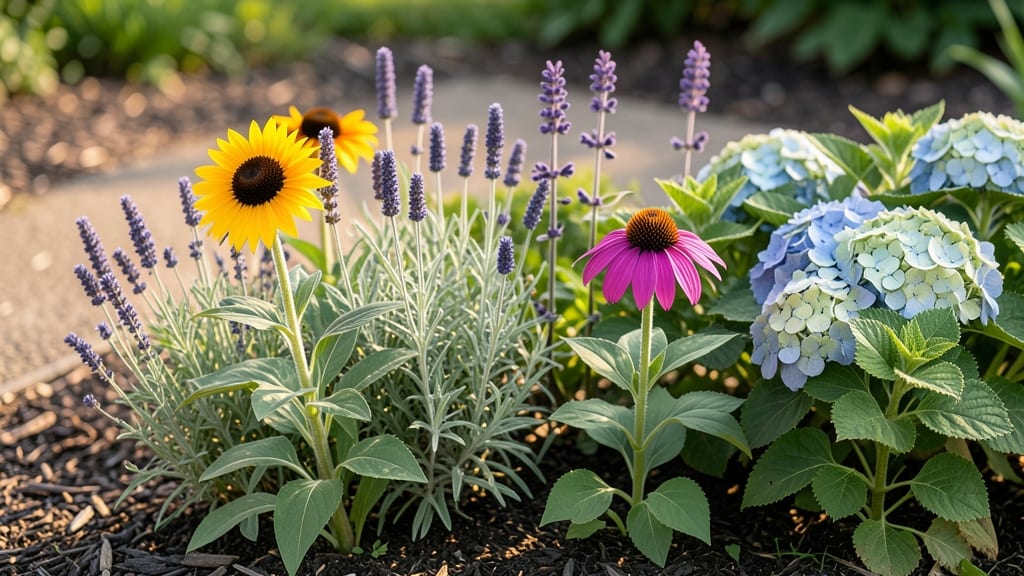
The art of flower plant identification starts with noticing the little details that make each bloom unique—like the way a peony’s layered petals unfurl differently from a rose’s pointed buds. 🌸 I’ve spent years memorizing these visual clues, from leaf veins to flower shape, because getting it right means the difference between a thriving plant and one that struggles in your garden.
The right ID tells you exactly where to plant it, how much water it needs, and even when to prune for more blooms next season.
Most common flowers reveal themselves through three key features: leaf arrangement (alternate vs. opposite), flower structure (single vs. clustered), and growth habit (woody stems vs. herbaceous). For example, sunflowers have rough, broad leaves and towering stems, while impatiens have glossy, rounded leaves and delicate, dangling blooms.
These traits aren’t just for show—they’re clues to sunlight needs, soil preferences, and even pest resistance. Once you start noticing, you’ll spot them everywhere.
Misidentifying a plant can lead to overwatering, too much shade, or even the wrong fertilizer—all mistakes that kill plants faster than you’d think. But once you’ve nailed the basics, you’ll recognize blooms on sight and know exactly how to care for them.
Think of it like learning a new language: every leaf shape and bloom pattern is a word in the plant world, and soon you’ll be speaking it fluently.
This guide breaks down the most common garden blooms by region, so you’ll know what to expect in your zone—and how to tell a daylily from a hosta at a glance.
Whether you’re debugging a mystery plant or planning your next garden layout, these visual cues will become your secret weapon. Let’s get started with the first steps to confident identification.
Why it happens
When you’re staring at a vibrant garden bloom and thinking, "What in the world is this?"—there’s usually a scientific (or human) reason behind the confusion. Flower plant identification isn’t always straightforward, and several factors can throw even the most seasoned gardeners for a loop.
Let’s break down the real culprits behind why your plant ID skills might be failing you—and how to fix them.
Nature loves a good copycat. Many flower species evolve to resemble each other for survival—whether to attract the same pollinators, deter pests, or blend into their environment. For example:
- Daisy vs. Oxeye Daisy: Both have white petals and yellow centers, but oxeye daisies have toothed petal edges and grow taller (up to 3 feet). A magnifying glass or close-up photo can reveal these subtle differences.
- Rose vs. Honeysuckle: Some roses have clustered blooms like honeysuckle, but roses grow on thorny stems with five petals, while honeysuckle has tubular flowers and a sweet, intoxicating scent.
- Lilies vs. Daylilies: Daylilies (hemerocallis) have six petal-like tepals (not true petals) and grow in whorls, while true lilies have six distinct petals and a single stem.
💡 Pro Tip: Use a flower identification app like PlantNet or iNaturalist to cross-reference shapes, leaf arrangements, and growth habits. Snap a photo from multiple angles—especially the leaves, stems, and seed pods—for a more accurate match.
Not all flowers look the same from bud to bloom to seed. A plant’s life cycle stages can drastically change its appearance:
- Bud Stage: A rosebud might look like a tulip bud from afar, but roses have layered petals while tulips have a single, cup-shaped form.
- Blooming Phase: Some flowers, like black-eyed Susans, start as bright yellow but fade to orange-brown as they age. A wilted bloom might fool you into thinking it’s a different species entirely.
- Seed/Fruit Stage: The seed pod of a lupine resembles a pea pod, but lupines have spiky, palm-like leaves while peas have fern-like foliage.
🔥 Action Step: Observe the plant over weeks, not just when it’s in full bloom. Note:
- How the bud opens (does it unfurl or pop open suddenly?).
- Does it re-bloom or produce seeds after flowering?
- What color are the leaves and stems when not in bloom?
Mother Nature (and plant breeders) love mixing things up. A single species can have dozens of color variants, and hybrids can blend traits from multiple plants:
- Natural Variations: Wild roses can range from pale pink to deep red, while cultivated roses might be striped, bi-color, or even black (like the 'Black Baccara').
- Hybrid Overlaps: Rhododendrons and azaleas (both in the Ericaceae family) can look identical except azaleas have five petals and rhododendrons have five to ten.
- Albinism or Mutations: Some flowers develop white or pale stripes due to genetic quirks (e.g., variegated hostas or striped lilies).
🌡️ Science Check: Color isn’t always reliable. Instead, focus on:
- The number of petals (3 = lily family, 4 = buttercup, 5 = rose family).
- Leaf shape and arrangement (alternate vs. opposite, lobed vs. smooth).
- Scent (strong = jasmine, none = some daisies).
If you’re traveling or spotting an unfamiliar bloom, it might be a non-native invasive species or a regional variant of a common plant:
- Invasive Imposters: Japanese knotweed (with its bamboo-like stems) can mimic native smartweed, but knotweed has zigzag stems and spreads aggressively.
- Climate-Driven Changes: A tulip in the U.S. might look different from one in Turkey (its native home) due to soil, sunlight, and water differences.
- Cultivated Escapes: Ornamental peppers (like 'Black Pearl') might sprout in gardens but aren’t true wildflowers—they’re hybridized for color, not survival.
✨ Expert Hack: Check your local botanical garden or university extension office for regional plant guides. Websites like USDA Plants Database or Invasive Species Compendium can help ID troublesome lookalikes.
Quick fixes for plant ID struggles
Stumped by a mysterious bloom? Don’t panic—here’s how to crack the code and turn guesswork into confidence. Whether you’re dealing with vague descriptions, confusing similarities, or missing details, these practical solutions will help you identify your flower plants like a pro.
Cause: Your plant’s leaves, stems, or flowers lack defining traits (e.g., no unique shape, color, or scent). Fix:
- 📏 Measure key parts: Use a ruler or app (like PlantSnap or PictureThis) to note leaf width, flower diameter, and stem thickness. Even small details—like hairy stems or serrated edges—can narrow it down.
- 🌿 Compare textures: Rub leaves between your fingers. Is the surface smooth, fuzzy, or waxy? Snap a close-up photo under natural light to spot veins or bumps.
- 🌸 Focus on flower structure: Count petals, stamens, or sepals. A 5-petal bloom might be a rose or peony, while 4 petals could hint at a poppy or hibiscus.
Prevention Tip: 💡 Keep a small notebook or digital album of your garden’s “weird” plants. Jot down oddities (e.g., “purple flowers but green centers”)—they’re clues!
Cause: Search tools return conflicting names (e.g., “Is this a lily or a daylily?”). Fix:
- 🔄 Cross-reference sources: Use three tools (e.g., iNaturalist, Google Lens, and a field guide) to spot consensus. If two say “daylily” and one says “lily,” trust the majority—but dig deeper.
- 📅 Check bloom time: Note when your plant flowers. A summer-blooming yellow flower could be a black-eyed Susan (Rudbeckia) or coreopsis—but their leaf shapes differ.
- 🌍 Consider your climate zone: Some plants thrive only in specific regions. If you’re in Zone 5 but an app suggests a tropical orchid, it’s probably a red flag.
Prevention Tip: ✨ Bookmark trusted sites like the [USDA Plants Database](https://plants.usda.gov/) or local botanical gardens. Avoid generic “top 10 flowers” lists—they’re often misleading.
Cause: Pests, disease, or weather have altered your plant’s appearance. Fix:
- 🦋 Look for clues, not just damage: Chewed leaves? Caterpillars or slugs may be the culprit—but the shape of the holes can hint at the pest. Yellowing leaves? Check for powdery mildew (white fuzz) or aphids (sticky residue).
- 📸 Photograph the “before” and “after”: Compare a healthy leaf to a damaged one. Use a magnifying glass to spot mites or fungal spots.
- **🌱 Identify the healthy parts first: Focus on undamaged leaves or buds. A rose with black spots might still have classic 5-petal flowers—your key to ID.
Prevention Tip:** 🌡️ Isolate new plants for a week to monitor for pests. Healthy plants are easier to ID—and less likely to spread problems!
Cause: It’s a hybrid, cultivar, or rare species not in common guides. Fix:
- 🔎 Hunt for “cultivar” or “hybrid” tags: Search for terms like “pink peony hybrid” or “double-flowered rose.” Nurseries often label these.
- 💬 Ask local experts: Post a photo in gardening forums (e.g., Reddit’s r/gardening or Facebook groups) with your location and plant size. Locals know obscure varieties!
- 📖 Check seed packets or tags: If you bought it, the packaging might list the exact name. Even if it’s gone, save tags for future reference.
Prevention Tip: 🎯 When buying plants, ask for the scientific name (e.g., Rosa ‘Knock Out’)—common names like “shrub rose” are too vague.
Struggling to remember? Use this quick flowchart:
- Color? (Red, white, purple?)
- Leaf shape? (Needle-like, broad, lobed?)
- Bloom time? (Spring, summer, year-round?)
- Scent? (Fragrant, none, musky?)
Example: “Yellow, lobed leaves, summer, no scent” → Likely a coreopsis or black-eyed Susan.
Remember: Even experts misidentify plants sometimes. If all else fails, grow it and observe—your garden’s mysteries often reveal themselves over time! 🌱
Frequently asked questions
What’s the quickest way to tell a rose from a honeysuckle?
Look for thorns and flower structure. Roses grow on thorny stems with 5-petal blooms that open individually, while honeysuckle has tubular flowers in clusters and no thorns. The scent also helps—honeysuckle has a sweet, intoxicating fragrance, while roses vary from mild to strong.
Can I use my phone to identify a flower?
Apps like PlantSnap or PictureThis let you snap photos for instant matches. For best results, include leaves, stems, and buds in your shot, and take pictures in good light. Pro tip: Compare results with a field guide—apps sometimes misidentify hybrids or rare varieties.
Why do some flowers look different in photos vs. real life?
Lighting, angles, and growth stages change appearances. A bud might look like one flower, but its open bloom could reveal completely different traits. Always observe the plant’s leaves, stems, and overall growth habit—these rarely change, while flowers can be misleading.
What’s the best time of day to identify flowers?
Morning is ideal—flowers are fully open, colors are brightest, and dew highlights details. Avoid midday when shadows distort shapes or afternoon when blooms may start wilting. If you’re working with night-blooming flowers (like moonflowers), use a flashlight with red light to preserve natural colors.
How do I handle a flower that doesn’t match any identification tools?
Start by noting unique traits (e.g., "purple petals with green stripes") and check hybrid databases. Post photos in local gardening groups with your location and climate zone—experts often recognize regional oddities. If all else fails, grow it and observe its growth pattern and care needs—sometimes the mystery reveals itself over time!