
Planting
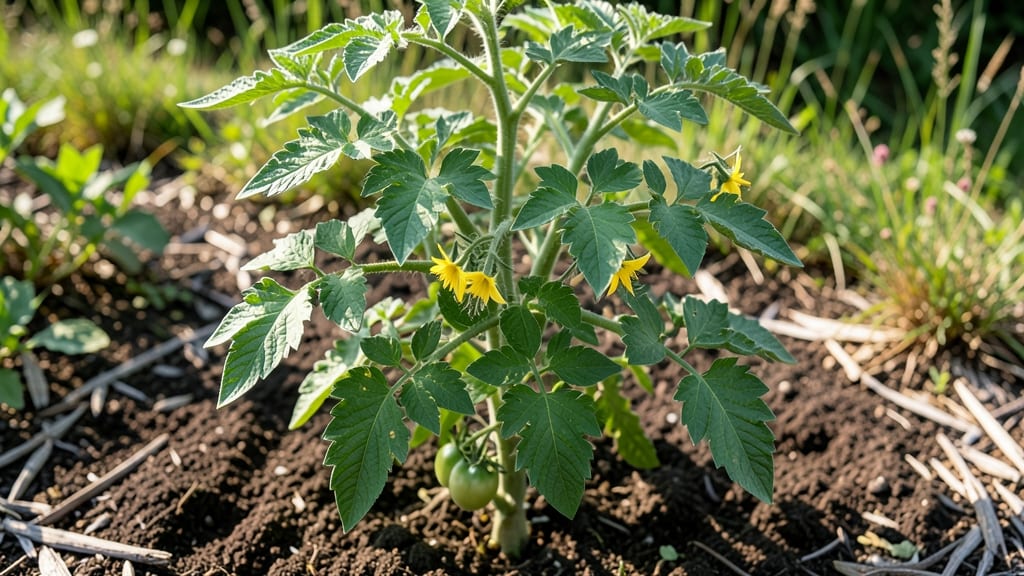
When tomato plants start flowering, pruning now determines whether you end up with a handful of giant tomatoes or a bush full of them. 🌱 Last summer, I went from 12 oversized tomatoes to 40 perfect-sized ones just by following these simple rules—it’s all about directing the plant’s energy where it counts.
Indeterminate varieties (the vining types) need aggressive pruning to keep them productive, while determinate (bush) tomatoes benefit from minimal shaping. The key is removing suckers—those little shoots in the joint between the stem and branches—while leaving the first flower clusters intact.
This might sound counterintuitive, but it works: the plant focuses on ripening existing fruit instead of producing more flowers than it can support. You’ll notice thicker stems, darker green leaves, and fruit that stays on the vine longer.
The plants also handle heat better and resist diseases like blight more effectively. Within 2-3 weeks, you’ll see the difference in both plant health and harvest size—no fancy tools or secret fertilizers required. Here’s the catch: over-pruning stresses the plant, and under-pruning leads to smaller fruit.
The sweet spot is removing suckers up to 12 inches tall while leaving the main stem and branches intact. For greenhouse or indoor growers, give the flowers a gentle shake to help pollination—this mimics wind and boosts fruit set dramatically.
📚 In This Guide
- What you need
- Instructions
- Tips and common mistakes
- Wrapping up and next steps
What you need
- ● Tomato plant (determinate or indeterminate) – Starting to show flower clusters (usually 6–8 weeks after transplanting).
- ● Pruning shears or sharp scissors – Disinfect with rubbing alcohol before and after use to prevent disease.
- ● Garden twine or soft plant ties – 3–5 feet per plant (for staking indeterminate varieties).
- ● Sturdy stakes or cages – Bamboo stakes (5–6 ft tall) for indeterminate tomatoes.
- ● Tomato cages (5–6 ft diameter) for smaller varieties.
- ○ Balanced fertilizer (10-10-10 or 5-5-5) – 1–2 tbsp per plant (optional but helpful for flowering).
- ● Gloves – To keep hands clean while pruning.
- ● Plant support clips – For securing vines to stakes without damaging stems.
- ● Spray bottle with water – To mist flowers if humidity is low.
- ● Garden journal or camera – To track growth and pruning progress!
- ● Ensure your plant has at least 3–4 main stems (for indeterminate varieties) or is healthy and disease-free.
- ● Check the weather forecast—prune on a cloudy day or late afternoon to reduce stress.
- ● Have a clean workspace (like a tarp or tray) to lay out tools and trimmings.
Instructions for pruning flowering tomato plants
Here's how to guide your tomato plants toward bigger harvests by pruning now.
✂️ Step 1: Identify and Remove Suckers
Suckers are the small shoots growing between the main stem and branches. These compete with your fruit for energy, so pinch them off cleanly with your thumb and forefinger. I always start by inspecting the plant from the base upward—suckers appear at every leaf junction, especially near the main stem.
Wait until suckers reach about 2-3 inches before removing them. Smaller ones are harder to spot and may not be established enough to harm the plant, but larger ones will drain resources. Use sharp pruners for thicker suckers to avoid tearing the stem.
✂️ Step 2: Prune Lower Leaves and Branches
Remove any leaves touching the soil to prevent disease. I like to work from the bottom up, stripping away yellowed or diseased foliage first. Healthy leaves can stay, but focus on clearing space around the base where air circulation matters most. This also helps sunlight reach lower fruit.
For indeterminate varieties, trim side shoots that grow below the first flower cluster. These won't produce fruit and just create crowded, shaded areas. You'll know you're doing it right when you see more light reaching the lower stems and fruit.
☀️ Step 3: Thin Flower Clusters for Better Fruit Development
When clusters have 3-5 flowers, thin them to leave just 1-2 flowers per stem. This might seem counterintuitive, but overcrowded flowers lead to small, underdeveloped tomatoes. I always work in the morning when the plant is turgid and easier to handle.
Use your fingers to gently twist off excess flowers—don't cut, as this can damage the stem. Focus on keeping the strongest, healthiest blooms. You'll notice fruit that develops from these thinned clusters grows larger and ripens faster.
💧 Step 4: Support and Monitor After Pruning
After pruning, give your plants a light watering to help them recover. I always water at the base in the early morning to prevent stress. Avoid heavy watering immediately after pruning—it can shock the plant and slow recovery.
Watch for new suckers appearing 7-10 days after pruning. Regular checks prevent these from growing too large. Keep an eye out for any signs of stress—wilting, yellowing leaves, or slowed growth—and adjust your care accordingly.
Tips & tricks for pruning flowering tomato plants
Real talk: Pruning tomato plants is where the magic happens for bigger, healthier fruit. Here's what nobody tells you about getting it right.
Timing is Everything: The best time to prune is on a cloudy day or in the early morning when temperatures are cooler. This reduces stress on the plant and gives it time to recover before the heat of the day. I've learned this the hard way after seeing plants wilt dramatically when pruned in the afternoon heat—always check the weather forecast first.
Tool Selection Matters: While you can pinch suckers with your fingers, invest in a good pair of sharp pruners for thicker stems. I use bypass pruners because they make clean cuts without crushing the stem, which helps prevent disease. For larger plants, I keep a small pair in my gardening apron for quick access while working.
Visual Cues for Pruning: When thinning flower clusters in Step 3, look for flowers that are already opening—they'll produce fruit sooner than the buds. Keep the strongest, healthiest blooms by choosing those with the most vibrant color and firmest stems. You'll know you're doing it right when you see sunlight reaching all the way to the lower fruit clusters.
Post-Pruning Care: After pruning, give your plants a light watering at the base in the early morning—this helps them recover faster. I always avoid wetting the leaves to prevent fungal diseases. Within those 7-10 days after pruning, check for new suckers and remove them immediately before they grow too large to handle.
Pro Tips for Tomato Plant Starting To Flower
- Real talk: Pruning tomato plants is where the magic happens for bigger, healthier fruit. Here's what nobody tells you...
- Timing is Everything: The best time to prune is on a cloudy day or in the early morning when temperatures are cooler....
- Tool Selection Matters: While you can pinch suckers with your fingers, invest in a good pair of sharp pruners for thi...
Frequently asked questions
Got questions about your tomato plant’s flowering stage? You’re not alone—this exciting phase can feel overwhelming! Here are answers to the most common queries to help you navigate pruning, care, and troubleshooting like a pro.
Why is my tomato plant flowering so early?
Early flowering is often a sign your plant is mature and ready to fruit! However, if it’s too early (e.g., before the last frost or when plants are still small), it may struggle. Ensure your plant gets 6–8 hours of sunlight daily and consistent warmth (60–85°F). If nighttime temps dip below 55°F, use row covers or move potted plants indoors temporarily.
Should I prune tomato flowers to encourage bigger fruit?
Yes—but strategically! Prune only the suckers (side shoots in leaf axils) and some early flowers (especially on indeterminate varieties) to redirect energy to the main stem and remaining fruit. Determinate tomatoes (bush types) usually don’t need pruning. Focus on removing weak or crowded flowers to prevent overburdening the plant.
My tomato flowers are falling off before fruiting. What’s wrong?
This is often caused by pollination issues (common in greenhouses or rainy weather), temperature stress (below 55°F or above 95°F), or overwatering. Try these fixes:
- Gently shake the plant or use a small brush to aid pollination.
- Move potted plants to a warmer spot or use a heat mat.
- Water at the base deeply but less frequently to avoid soggy soil.
Can I still prune tomato plants when they’re flowering?
Pruning during flowering is safe and beneficial if done correctly. Focus on:
- Removing suckers (shoots between main stem and branches).
- Avoid cutting into the main stem or large branches.
- Prune in the morning so wounds heal faster.
What if my tomato plant only has flowers but no fruit?
This usually means pollination isn’t happening or the plant lacks nutrients. Check for:
- Bees or wind: Hand-pollinate by tapping flowers gently.
- Fertilizer: Switch to a low-nitrogen, high-phosphorus fertilizer (like 5-10-10) to boost flowering.
- Stress: Ensure consistent watering and avoid overcrowding.
Wrapping up and next steps
Watching your tomato plant start to flower is an exciting milestone—it means a bountiful harvest is on the way! 🌱 By pruning strategically now, you’re not just shaping your plant; you’re directing its energy toward bigger, healthier fruit. Stay patient and consistent, and soon you’ll be enjoying homegrown tomatoes that taste even sweeter than store-bought.
Ready to take the next step? Monitor your plant’s progress weekly and adjust your pruning as needed. Before you know it, you’ll be celebrating a garden full of vibrant, juicy tomatoes—all thanks to a little care and attention now! 🍅✨