
Planting
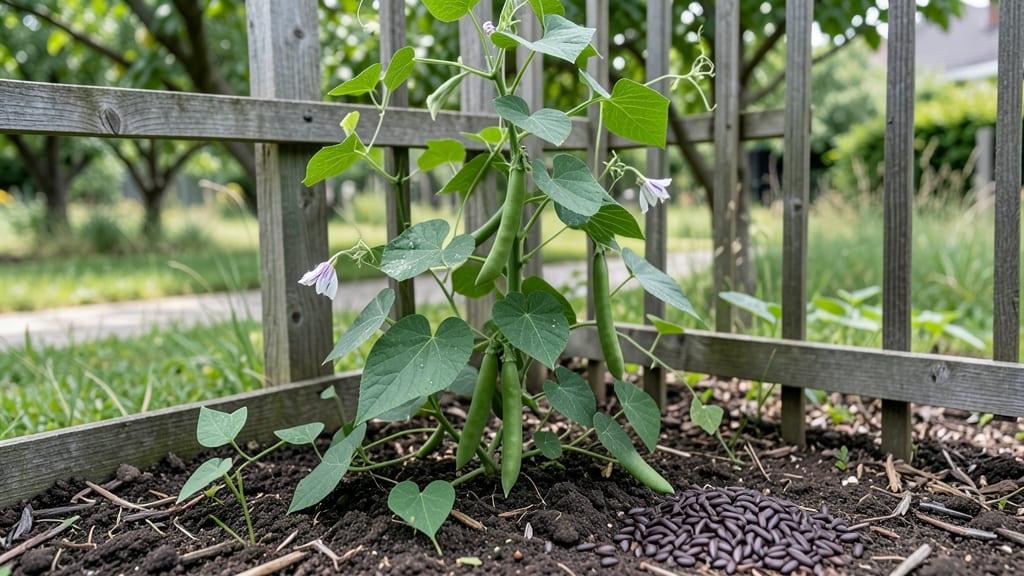
Tall bean plants need sturdy support to avoid flopping over and losing pods. 🌱 I’ve learned the hard way—last summer, my yard-long beans sprawled everywhere, making harvests messy and frustrating. The right support transforms tangled vines into neat, productive plants that yield more and stay healthier.
You don’t need fancy equipment—bamboo stakes, metal trellises, or even DIY cages work perfectly. Bamboo stakes are cheap and easy to drive into the ground, while metal trellises last years and handle heavy vines.
For bush beans, simple cages made from wire or chicken wire keep them upright without taking up much space. The key is spacing supports 18-24 inches apart so vines can climb without overcrowding.
Once your beans start climbing, tie them loosely with soft twine or old fabric strips—too tight, and you’ll damage the stems. Prune any side shoots that form at the base to encourage upward growth.
With the right support, you’ll see straighter plants, better air circulation (which cuts down on pests), and easier harvesting. Plus, your garden will look neater and more intentional.
This method works for pole beans, runner beans, and even some varieties of bush beans. Whether you’re growing in a backyard plot or containers on a balcony, the same principles apply. Let’s get those vines climbing!
📚 In This Guide
- What you need
- Instructions
- Tips and common mistakes
- Wrapping up and next steps
What you need
- ● Support Structures: Bamboo stakes (5–6 ft tall, ½–1 inch diameter) – 2–4 per plant (or 1–2 sturdy stakes for a trellis)
- ● Wooden or metal T-posts (5–6 ft tall) – 1 per plant or cluster
- ● PVC pipes (½–1 inch diameter, cut to 5–6 ft) – Budget-friendly alternative
- ● Trellis netting (1–2 inch mesh, 6–8 ft wide) – For DIY trellis frames
- ● Garden twine or soft plant ties (3–4 ft long) – Non-abrasive to avoid stem damage
- ● Hardware & Fasteners: Zipties or plastic cable ties – For securing trellis netting
- ● Staple gun + staples – For attaching netting to frames
- ● Hammer or mallet – For driving stakes into the ground
- ● Prerequisites: Well-draining soil (amend with compost if needed)
- ● Sunny location (6+ hours of sunlight daily)
- ● Bean seeds or seedlings (pole or runner varieties)
- ● Decorative trellis kits (wooden lattice or arched designs) – For aesthetic garden appeal
- ● Adjustable plant clips – For easy height adjustments as plants grow
- ● Mulch (straw or grass clippings) – To retain moisture and suppress weeds
- ● Plant markers – To label varieties if growing multiple types
How to build bean plant support systems for healthy growth
Here's the method I use to keep pole beans standing tall and productive all season.
🪴 Step 1: Choose the Right Support Structure
For 4 plants, I recommend either 4 individual 5-foot stakes or a single 6-foot-tall A-frame trellis. Stakes work best for bush varieties that need occasional support, while trellises maximize vertical growth for pole beans. I prefer bamboo stakes because they're lightweight, affordable, and strong enough to handle 12-inch bean pods without bending.
If using stakes, pound them 6 inches deep into the soil at planting time—before roots establish. For trellises, assemble the frame with 1×2-inch lumber or sturdy garden wire. The key is stability: test your structure by gently shaking it before planting. You'll know it's secure when it doesn't wobble more than an inch.
☀️ Step 2: Position Supports at Planting Time
Place stakes or trellis components 3-4 inches away from the main stem when planting. This gives roots room to spread without crowding. For individual stakes, I tie the plant to the stake with soft plant ties or old fabric strips—never wire, which can cut into stems as they thicken.
If using a trellis, position it so the strongest cross supports are at 1-foot intervals. This creates landing points for vines to wrap around naturally. I always plant beans on the north side of the trellis to prevent shading from afternoon sun. Watch for vines to reach the first support within 7-10 days—that's when they'll start climbing actively.
✂️ Step 3: Train Vines as They Grow
Gently weave new growth around the trellis supports every 3-4 days until they reach the top. Pole beans naturally twine counterclockwise, so guide them in that direction. For stubborn vines, I use soft twine to loosely tie them to the structure—never pull tightly, or you'll restrict growth.
Here's the thing—don't let vines get too crowded on any single support. When you see 3-4 vines competing for the same space, gently separate them and distribute them along the next support level. You'll notice healthier pods forming when vines have room to spread out.
💧 Step 4: Maintain and Reinforce Supports
After the first 4-6 weeks, when vines are fully established, check your supports for stability. Heavy pods can cause even sturdy stakes to lean. If a stake starts tilting, drive a second stake nearby and tie the plant to both for extra support. For trellises, add cross-bracing between the legs if the frame sways in wind.
Water consistently at the base—never overhead—to prevent fungal issues on the support structure. I always keep a 1-inch layer of mulch around the base to retain moisture and protect stakes from rotting. You'll know your system is working when vines reach the top of the trellis or stakes by mid-summer, producing pods all the way up.
⏰ Step 5: Harvest and Prune for Continued Growth
Pick beans regularly to encourage more production. When you harvest, gently twist pods off the vine—don't pull, or you'll risk damaging the stem. After picking, check the support structure for any vines that need redirecting. I always prune any side shoots growing directly into the support, as they can weaken the main vine.
If your plants are still vigorous by late summer, you can extend their season by adding 2-3 feet of additional trellis height. Just tie the top vines to the new extension and watch as they climb higher. This works especially well in warm climates where beans keep producing until frost.
Tips & tricks for sturdy bean plant support systems
These practical tips will help you avoid common pitfalls and maximize your pole bean harvest all season long.
Stability is Everything: When testing your trellis or stakes before planting, pay attention to how they feel—not just how they look. A structure that wobbles slightly when empty will only get worse as vines climb and pods develop. I've seen perfectly assembled trellises collapse under the weight of a single heavy pod crop. For extra security, use 3 stakes per trellis in windy areas or when growing particularly vigorous varieties like Kentucky Wonder.
Timing for Training: The 3-4 day training schedule in Step 3 is ideal, but don't stress if you miss a day. Beans are forgiving plants! What matters most is that you're gently guiding the vines rather than forcing them. I've had seasons where I trained weekly and still got excellent production. The key is to intervene before vines get tangled—once they're wrapped too tightly, they can strangle each other and stop producing pods.
Material Matters: While bamboo stakes are my go-to, don't overlook alternatives like reclaimed wood dowels or plastic garden stakes. The latter won't rot but may require additional support for heavy crops. For trellises, galvanized wire is more durable than untreated wood but can get hot in summer sun—wrap it with burlap strips if you notice leaves scorching near the structure. Always avoid treated lumber that might leach chemicals into your soil.
Season Extension Hack: That 2-3 feet of additional trellis height in Step 5 works wonders for late-season production. I've had beans climbing to 8 feet in warm climates! For a temporary solution, use flexible garden twine tied between two stakes to create an instant climbing path. This works especially well if you notice your main trellis isn't tall enough by late summer—just attach the twine to the top and let the vines find their way up.
Pro Tips for Bean Plant Support
- These practical tips will help you avoid common pitfalls and maximize your pole bean harvest all season long.
- Stability is Everything: When testing your trellis or stakes before planting, pay attention to how they feel—not just...
- Timing for Training: The 3-4 day training schedule in Step 3 is ideal, but don't stress if you miss a day. Beans are ...
Frequently asked questions
What’s the best height for bean plant supports?
For most pole beans and tall varieties, aim for supports that reach at least 5–6 feet—that’s taller than the plants will grow to avoid overcrowding. Bush beans (shorter types) need supports around 2–3 feet. If using a trellis, space it 3–4 feet wide for airflow and easy harvesting.
Can I reuse last year’s stakes or trellis?
Wooden stakes, bamboo canes, or metal trellises can last multiple seasons if stored dry and protected from rot. Just inspect them for splinters, rust, or weak spots before planting. Pro tip: Soak wooden stakes in a 10% vinegar solution over winter to prevent mold.
When should I install supports—before or after planting?
Install supports right before planting (or as seeds sprout) to avoid disturbing roots later. For delicate seedlings, gently tuck stakes into the soil 1–2 inches deep and tie plants loosely with soft twine or fabric strips. Wait until vines are 4–6 inches tall to attach them to trellises—earlier can snap fragile stems.
What if my bean plants flop over despite supports?
Flopping usually means insufficient support, wind, or overcrowding. Check these fixes:
- Add more stakes: Space them every 12–18 inches for heavy vines.
- Secure loosely: Use soft ties (old T-shirts work!) to avoid girdling stems.
- Thin plants: Remove extra stems to reduce weight on supports.
- Windbreak: Plant near a fence or use a mesh windscreen if gusts are strong.
Are there eco-friendly alternatives to plastic trellises?
Yes! Try these sustainable options:
Material
Pros
Cons
Bamboo canes
Biodegradable, sturdy, and cheap.
May splinter; replace yearly.
Woven willow or grapevine trellises
Natural, rustic look; compostable.
Requires DIY skills; less durable.
Recycled metal or PVC pipes
Long-lasting; reusable.
Not compostable; may rust over time.
DIY hack: Repurpose old ladders, broomsticks, or even a sturdy chair frame as trellises!
Wrapping up and next steps
Growing tall bean varieties doesn’t have to be a challenge—with the right bean plant support, you’ll enjoy lush, productive vines and a bountiful harvest! 🌱 Whether you opt for sturdy stakes, DIY trellises, or decorative cages, the key is to act early and provide consistent structure.
Your beans will thrive, and you’ll save space while keeping pests at bay.
Ready to take the next step? Grab your supplies, follow the techniques you’ve learned, and watch your garden flourish! Happy planting—your future harvests will thank you! 🌿