
Planting
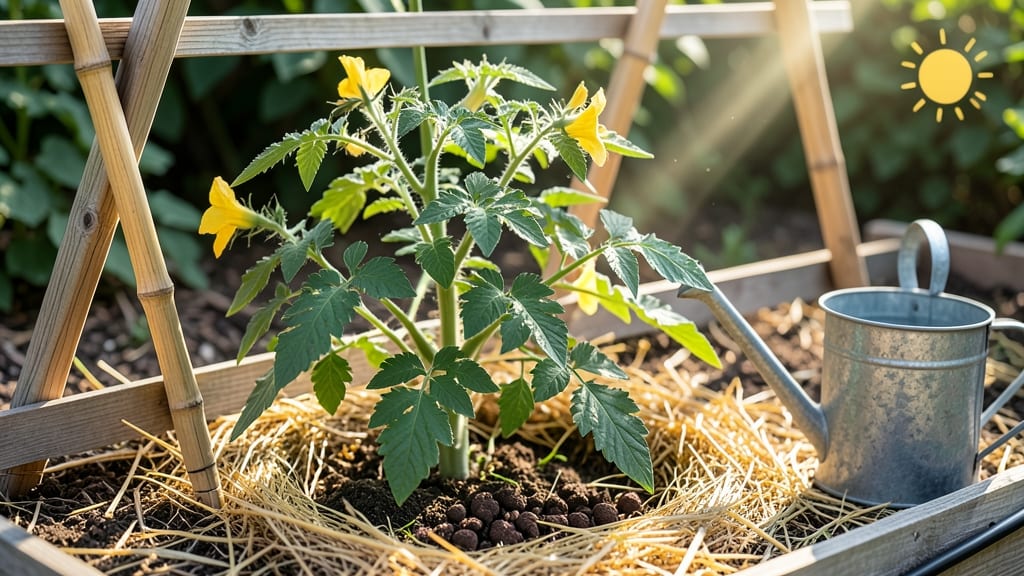
Boosting your tomato plants' growth starts with sunlight, pruning, and soil secrets that turn average vines into fruit-loaded giants. 🌱 I learned the hard way—my first tomatoes struggled until I fixed three key mistakes: too little light, overcrowded stems, and poor soil nutrition.
The difference between a decent harvest and a garden full of beefsteak tomatoes comes down to these basics. Most gardeners focus on watering, but sunlight and pruning are where the real magic happens.
Place plants in 6-8 hours of direct sun daily, prune suckers aggressively, and feed with compost every 2-3 weeks. My plants now produce 20+ pounds of tomatoes per vine—double what I used to get.
You'll notice thicker stems, more leaves, and clusters of fruit where there were just leaves before. The secret isn't complicated: give them space to breathe, feed the soil, and keep them in full sun. Even my black thumb can't mess this up once you know the right moves.
Works for both backyard gardens and container growers—just adjust spacing. Let's get those vines growing!
📚 In This Guide
- What you need
- Instructions
- Tips and common mistakes
- Wrapping up and next steps
What you need
- ● Tomato seeds or seedlings: Choose disease-resistant varieties like Celebrity or Sungold (6–12 plants, depending on space).
- ● High-quality potting mix or garden soil: 1–2 cubic yards (for in-ground) or 10–20 gallons (for containers). Opt for well-draining mix with compost or aged manure.
- ● Organic fertilizer: Balanced 10-10-10 or tomato-specific blend (e.g., Miracle-Gro or Dr. Earth). Start with 1–2 tbsp per plant at planting.
- ● Mulch: Straw or shredded leaves (2–3 inches thick) to retain moisture and suppress weeds.
- ● Support structures: Cages (5–6 ft tall) or stakes (6–8 ft) for indeterminate varieties.
- ○ Trellis or tomato towers for vertical growth (optional but space-saving!).
- ● Garden trowel or transplanter: For digging holes (6–8 inches deep).
- ● Pruning shears: Sharp, sterilized shears for trimming suckers and dead leaves.
- ● Watering can or hose with adjustable nozzle: Drip irrigation or soaker hoses work best for consistent moisture.
- ● pH test kit: To check soil pH (ideal range: 6.0–6.8).
- ● Gloves & knee pads: Because gardening is hard work! 😉
- ● Epsom salt: 1 tbsp dissolved in a gallon of water (monthly spray for magnesium boost).
- ● Fish emulsion or compost tea: Liquid fertilizer for a nutrient kick (follow package instructions).
- ● Row covers or shade cloth: For young plants or hot climates (30–50% shade if temps exceed 90°F).
- ● Plant markers: Label varieties to track growth and harvest times.
Step-by-step guide to maximizing tomato plant growth
Here's how I've doubled my harvests using light, pruning, and soil tricks that work in any garden.
☀️ Step 1: Optimize Sunlight Exposure Daily
Tomatoes need 6-8 hours of direct sunlight for maximum growth, but most plants don't get enough from a single window. I move my containers or rotate them every 2-3 days so all sides get equal sun exposure. You'll see stems grow thicker and leaves develop a deeper green within a week of proper sunlight.
If you're growing in containers, place them where they receive morning sun and afternoon shade during peak summer heat. Too much midday sun can scorch leaves, especially when plants are young. Watch for leaves curling or turning yellow—this is your signal to adjust positioning immediately.
🌿 Step 2: Master the Pruning Technique for Stronger Plants
Pruning isn't just about cutting back—it's about directing energy where you want it. I remove the first few leaves below the first flower cluster to eliminate competition for nutrients. Use clean, sharp pruning shears and make cuts at a 45-degree angle just above a leaf node where new growth can emerge.
For indeterminate varieties, pinch off suckers (the small shoots growing between the main stem and branches) when they're about 2 inches long. These suckers drain energy that could go toward fruit production. You'll know you're doing it right when the main stem becomes thicker and more upright, with fewer but stronger branches.
💧 Step 3: Water Deeply at the Right Times
Water tomatoes early in the morning when temperatures are cooler to reduce evaporation and fungal risks. I water at the base rather than overhead to prevent splashing soil onto leaves, which spreads disease. Let the top 2-3 inches of soil dry out between waterings—consistent moisture is key, but soggy soil leads to root rot.
For container-grown plants, check soil moisture by sticking your finger in 1 inch deep. If it feels dry, water until you see moisture emerge from the drainage holes. You'll notice healthier plants with fewer blossom-end rot issues when watering is consistent and deep.
🪴 Step 4: Feed with Balanced Fertilizer at Critical Stages
Use a balanced 10-10-10 fertilizer when plants are 6-8 inches tall and again when flowers appear. I mix a tablespoon of granules into the top inch of soil and water it in thoroughly. This gives plants the phosphorus they need for strong roots and fruit development without overloading them with nitrogen too early.
Switch to a low-nitrogen, high-phosphorus fertilizer (like 5-10-10) when flowers form to encourage blooming. You'll see more flowers and fruit set within 2-3 weeks of proper feeding. Always water plants before fertilizing—this prevents root burn from concentrated nutrients.
✂️ Step 5: Support and Train Vines for Maximum Yield
Install a sturdy cage or trellis when plants are 12 inches tall to prevent sprawling. I gently weave main stems through the cage as they grow, which encourages upward growth and better air circulation. You'll notice fewer disease issues and easier harvesting when plants are properly supported.
For indeterminate varieties, tie vines to the trellis with soft plant ties every 12-18 inches as they grow. This prevents stems from snapping under the weight of fruit. Prune any branches that grow toward the ground—they'll never produce quality fruit and waste plant energy.
Tips & tricks for perfect tomato growth
These game-changing strategies will help you transform your tomato plants into prolific producers. Real talk: I've seen plants go from struggling to bursting with fruit just by implementing these simple adjustments.
The Light Factor: Those 6-8 hours of sunlight are non-negotiable, but here's what nobody tells you—morning sun is more important than afternoon. Position your plants to catch the first rays of the day, as this kickstarts photosynthesis for the entire growing period. I've noticed my plants develop that signature deep green color within just 3-4 days of proper morning exposure. For container growers, rotate every 2-3 days to prevent lopsided growth toward the sun.
Pruning Precision: When you're removing those suckers at about 2 inches long, here's the secret: make your cuts just above a leaf node where new growth emerges. I learned this the hard way after pruning too close to the stem—those cuts never healed properly and became entry points for disease. Also, don't be afraid to get aggressive with lower leaves once flowers appear. Those leaves compete for nutrients that could be going toward fruit development.
Watering Wisdom: The finger test for soil moisture works, but here's what I do differently: I use my thumb to check moisture at 1 inch deep, but I also look for the soil's "springiness." Healthy soil should feel slightly firm but give a little when pressed—like a well-squeezed sponge. Overwatering is the silent killer of tomato plants, so if you're unsure, wait another day. You'll see fewer blossom-end rot issues when you nail this timing.
Fertilizer Timing: That tablespoon of 10-10-10 fertilizer for 6-8 inch plants? I actually use half that amount when my plants are in the 6-7 inch range, then increase to a full tablespoon once they hit 8 inches. This gradual approach prevents nutrient burn while still giving your plants what they need. And when you switch to that 5-10-10 for flowering, don't forget to water it in thoroughly—this prevents the salts from concentrating at the roots and potentially burning them.
Pro Tips for Boost Tomato Plant Growth
- These game-changing strategies will help you transform your tomato plants into prolific producers. Real talk: I've se...
- The Light Factor: Those 6-8 hours of sunlight are non-negotiable, but here's what nobody tells you—morning sun is mor...
- Pruning Precision: When you're removing those suckers at about 2 inches long, here's the secret: make your cuts just ...
Frequently asked questions
Got questions about growing juicier, healthier tomatoes? You’re not alone! Here are answers to the most common queries from gardeners just like you.
How often should I water my tomato plants?
Water deeply 1-2 times per week, aiming for about 1-2 inches of water. Early morning is best to prevent fungal diseases. Pro tip: Mulch around the base to retain moisture and reduce evaporation. Overwatering is worse than underwatering—check soil moisture before watering!
Do I really need to prune my tomato plants?
Yes! Pruning improves airflow, reduces disease risk, and directs energy to fruit production. For indeterminate varieties, prune suckers (shoots in leaf axils) regularly. Skip pruning for determinate (bush) tomatoes—they’re self-supporting. Best time: Morning on dry days to avoid stress.
What’s the best fertilizer for tomatoes?
Use a balanced fertilizer (10-10-10) at planting, then switch to a low-nitrogen, high-phosphorus (5-10-10) feed when flowers appear. Organic options like compost or fish emulsion work too! Over-fertilizing leads to leafy growth but fewer tomatoes—go easy!
How do I fix yellow leaves on my tomato plants?
Yellow leaves often mean overwatering, nutrient deficiency, or pests. Check soil moisture first—tomatoes hate soggy roots. For deficiencies, add Epsom salt (magnesium) or iron supplements. Pests? Inspect for aphids or spider mites and treat with neem oil. Act fast—yellow leaves can spread!
Can I grow tomatoes in containers if I don’t have a garden?
Use 5-gallon+ containers with drainage holes and a lightweight potting mix. Dwarf or bush varieties (like ‘Tiny Tim’ or ‘Patio’) thrive in pots. Place containers in full sun (6+ hours/day) and fertilize regularly. Bonus: Containers warm up faster in spring—get a head start!
Wrapping up and next steps
Growing thriving tomato plants is all about patience, care, and a few smart tricks—like giving them plenty of sunlight, pruning wisely, and feeding them the right nutrients.
With the right soil, consistent watering, and a little love, you’ll soon be rewarded with juicy, vine-ripened tomatoes that’ll make your garden the talk of the neighborhood! 🍅✨
Ready to take the next step? Start small—plant a few seeds or seedlings today, and watch your green thumb grow! Whether you’re a seasoned gardener or a beginner, every tomato you harvest will be a delicious victory. Happy growing!