
Planting
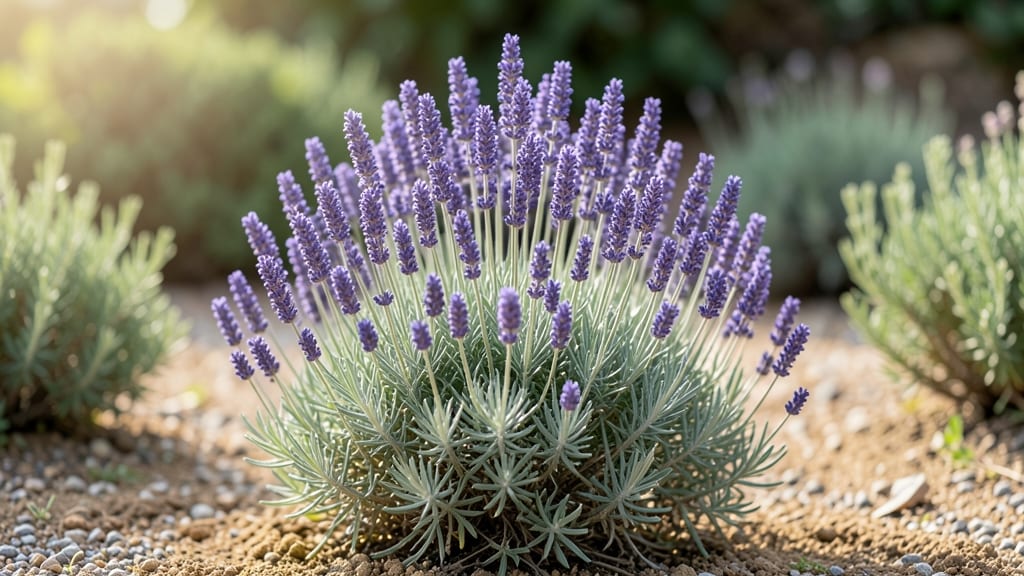
Lavender is generally not reliably perennial in Zone 7 because winter temperatures often dip below its 10-15°F cold tolerance threshold, though hardy varieties like English lavender can survive with proper winter protection. Most lavender thrives in Zones 5-9 with seasonal care.
Zone 7 winters can push temperatures into the 5-10°F range, which is well below what most lavender varieties can handle. 🌱 The key to success lies in selecting cold-hardy cultivars and implementing protective measures like thick mulching (straw or pine needles) and windbreaks.
I’ve found that container-grown lavender in Zone 7 also benefits from winter wrapping or moving to a sheltered spot.
English lavender (Lavandula angustifolia) stands out as the most resilient option, often surviving -10°F with proper care. The difference comes down to root insulation and reduced moisture stress—both critical when ground temperatures drop.
For gardeners in Zone 7, late-summer pruning and winter mulch application are non-negotiable steps to improve survival odds.
💡 In This Article
- Zone 7 Winter Challenges for Lavender Growth
- Protecting Lavender in Zone 7: Mulching and Winter Care
Zone 7 winter challenges for lavender growth
The core issue for lavender in Zone 7 is its cold sensitivity threshold. Most varieties tolerate temperatures down to 10-15°F, but Zone 7 winters frequently drop below 5°F, especially during polar vortex events.
The real damage occurs when soil temperatures fall below 20°F—this causes root systems to freeze, cutting off water and nutrient delivery to the plant. 🌡️ Unlike hardy perennials, lavender has shallow roots that lack insulation, making it vulnerable to even brief cold snaps.
Frost damage manifests in two ways: cellular rupture from ice crystal formation and desiccation as frozen roots can't absorb moisture. English lavender (Lavandula angustifolia) handles -10°F better than French or Spanish types because its leaves contain higher concentrations of camphor compounds, which act as natural antifreeze.
However, even this variety struggles when combined with wet soil—excess moisture conducts cold more efficiently, accelerating root damage.
Zone 7's winter variability is another challenge. While average lows might be 15°F, sudden dips to 0°F can occur, especially in inland areas. The USDA Zone 7b (warmer subzone) sees slightly milder winters, but Zone 7a experiences more extreme fluctuations.
This unpredictability means lavender often faces secondary stress from freeze-thaw cycles, which weaken the plant before spring growth begins.
Microclimate matters too. Lavender planted in low-lying areas or near large bodies of water faces higher frost risk due to cold air pooling. Conversely, plants near south-facing walls or in raised beds may experience 5-10°F warmer microclimates—this can make the difference between survival and death.
The 1-2°F temperature variation across a single yard demonstrates why site selection is critical.
What most gardeners overlook is how wind exposure accelerates cold damage. Lavender's silvery foliage helps reflect sunlight in summer, but in winter, this same trait makes it more susceptible to windburn and evaporative cooling.
A 5 mph wind can drop perceived temperature by 10°F, turning a survivable 12°F night into a lethal 2°F experience. This is why windbreaks are essential for Zone 7 lavender.
For comparison, lavender in Zone 5 (where winters average -10°F) survives because gardeners use 6+ inches of mulch and select hardy cultivars. Zone 7's milder average doesn't mean lavender is automatically suited—it's the extreme fluctuations that create the real challenge.
The key difference is preparation: what works in Zone 5 is often insufficient in Zone 7 without additional protection.