
Planting
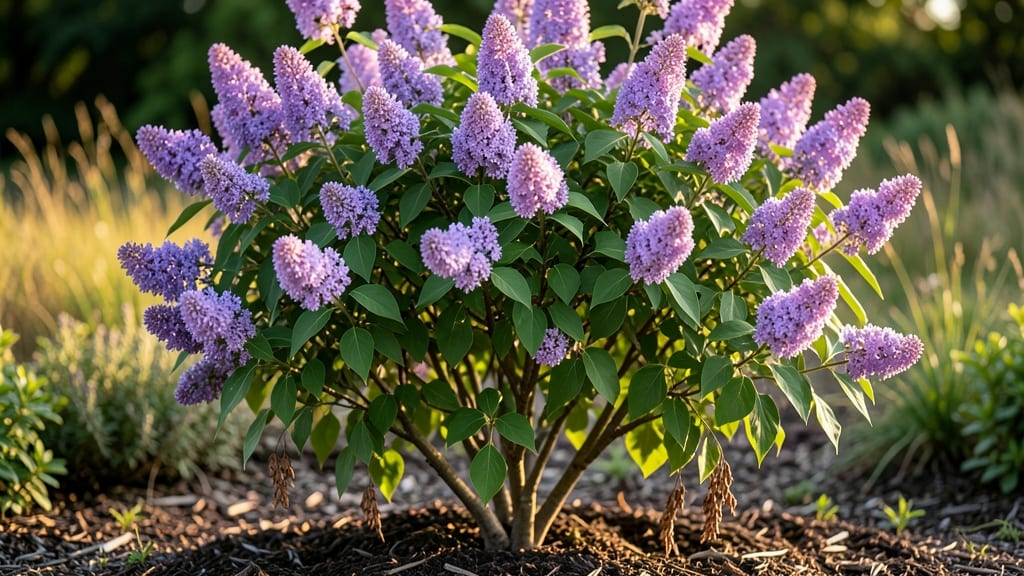
Lilac bushes thrive in USDA hardiness zones 3 through 7, with ideal planting occurring in early spring (March–April) or fall (September–October) before the first frost. Zone 8+ climates allow late fall planting, but avoid extreme heat or cold periods.
Understanding your lilac bush zone is key to giving your plant the best start.
These hardy shrubs handle cold winters down to -40°F in zone 3, but their roots need time to establish before winter sets in. 🌸 In warmer zones like 8 and 9, late fall planting works because the soil stays warm enough for root growth before winter dormancy kicks in.
I've seen firsthand how a single week difference in planting timing can mean the difference between a thriving bush and one struggling to survive its first winter.
Your local climate also plays a role—microclimates near large bodies of water or in urban heat islands can shift your effective zone by one or two numbers.
For example, a zone 6 garden near a lake might experience zone 5 conditions, while a city block might feel more like zone 7. Always check your specific location's frost dates and soil temperature trends before planting, as these factors determine whether your lilacs will bloom beautifully next spring.
💡 In This Article
- How USDA Zones Affect Lilac Bush Survival
- Best Planting Months for Lilac Bushes by Region
How USDA zones affect lilac bush survival
Lilac bushes are remarkably cold-hardy, capable of surviving winter temperatures as low as -40°F in USDA zone 3, thanks to their woody stems and deep root systems that store carbohydrates during dormancy.
The key mechanism here is their ability to enter a state of dormancy when temperatures drop below 40°F, which protects their delicate tissues from frost damage.
In contrast, zones 8 and above present challenges because summer heat can stress young plants before they've established strong root systems—temperatures consistently above 90°F for extended periods can cause wilting and poor flowering.
The real magic happens in the soil temperature, which needs to stay above 45°F for at least 4-6 weeks after planting to encourage root growth. This is why early spring planting (March–April) works so well in zones 3-7—the soil warms gradually, giving roots time to establish before summer heat arrives.
In zone 8+, late fall planting (September–October) takes advantage of cooler temperatures that slow top growth while still allowing roots to develop in the 60-70°F soil range before winter dormancy begins.
Microclimates add another layer of complexity—urban areas with pavement and buildings can create "heat islands" that push effective zones up by 1-2 numbers, while rural areas with open fields might experience colder conditions.
For example, a zone 6 garden in a city might behave more like zone 7, while a similar location in the countryside could experience zone 5 conditions. Always check your specific microclimate by observing local frost patterns and soil temperature trends for at least 2-3 years before planting.
What most gardeners don't realize is that lilacs actually prefer cooler summers for optimal flowering. In zones 8+, where summer temperatures often exceed 90°F, lilacs may produce fewer blooms because the heat triggers early dormancy.
This is why choosing early-blooming varieties (like 'Katherine Havemeyer') works better in warmer zones—they complete their bloom cycle before summer heat sets in.
Another critical factor is the timing of your first frost. In zones 3-5, where winters are harsh, lilacs need 6-8 weeks of root establishment before the ground freezes. This means planting no later than early September in these regions.
In contrast, zone 7 gardens can often push planting to mid-October because the soil remains workable longer. Always calculate your frost-free window by subtracting 12-16 weeks from your average first frost date.
For maximum success, consider these planting windows by zone:
- Zones 3-4: Plant in early spring (April) or late August—never after September 15
- Zones 5-6: Ideal windows are March-April or September-October
- Zones 7-8: Late fall (October-November) works best, with spring planting possible until mid-April
- Zone 9+: Only plant in late fall (November) when soil temperatures drop below 75°F
The bottom line? Your lilac's survival depends on matching planting timing to your local climate's temperature patterns—not just the zone number. 🌿