
Planting
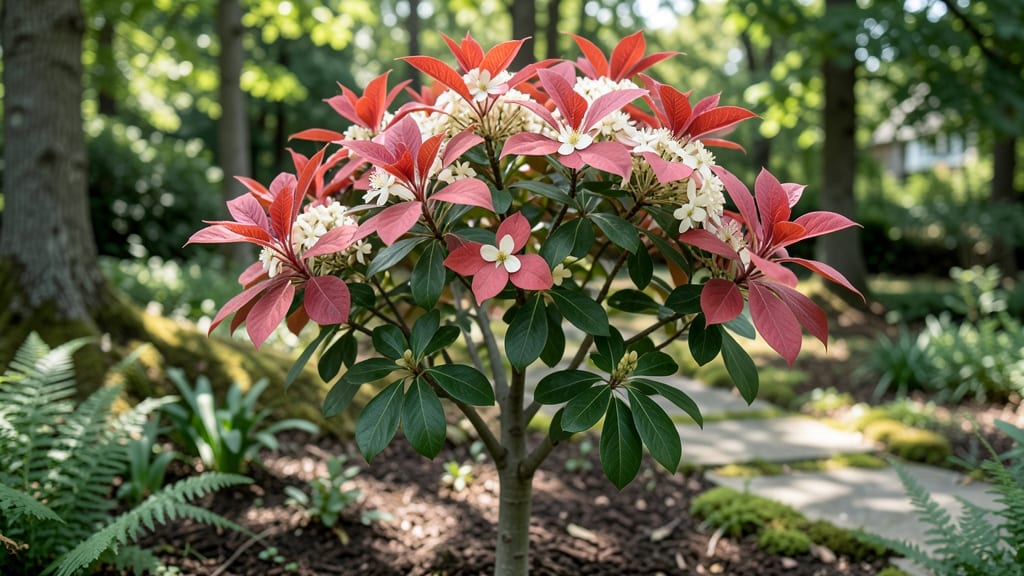
Growing the Magic dogwood plant gives you year-round privacy that actually looks good. 🌿 This shade-loving tree thrives where others fail—its glossy leaves stay vibrant even in low light, and its white spring blooms make it a standout.
Unlike fussy varieties, 'Magic' handles humidity, urban pollution, and even compacted soil like a champ.
The secret to its success? Well-draining, slightly acidic soil and moderate watering—never soggy roots. I’ve seen it flourish in spots where nothing else would grow, including my own shady corner where rhododendrons gave up.
Prune lightly in late winter to encourage dense growth, and watch it transform from a bare branch to a lush screen by summer.
By fall, you’ll get deep purple berries that birds adore, and the foliage turns a soft yellow—no extra work required. It’s the low-maintenance privacy screen that actually enhances your landscape, not hides it. Perfect for urban yards, woodland edges, or anywhere you need shade and shelter without the fuss.
Hardy in zones 5-9, 'Magic' dogwood grows 15-20 feet tall at a steady pace, making it ideal for hedges or single-specimen planting. The key?
Plant it where it won’t be disturbed, then step back and let it shine—literally, with its bright white spring flowers that outperform many showier (but high-maintenance) alternatives.
📚 In This Guide
- What you need
- Instructions
- Tips and common mistakes
- Wrapping up and next steps
What you need
- ● Magic Dogwood Plant (Cornus florida ‘Magic’): 1–3 nursery-grown plants (3–6 ft tall, mature size 15–25 ft) OR
- ● Seeds (if starting from scratch—germination can be slow!)
- ● Well-draining soil mix: 50% native soil + 30% compost + 20% perlite/sand (for aeration)
- ○ Optional: Add 1 cup of bone meal (for phosphorus boost)
- ● Organic mulch: 2–3 inches of shredded bark or wood chips (to retain moisture)
- ● Garden trowel or spade (for digging)
- ● Gloves (to protect hands from thorns)
- ● Watering can or hose with a gentle nozzle
- ○ Optional: Pruning shears (for shaping after planting)
- ○ Optional: Soil pH test kit (ideal range: 5.0–6.5)
- ● Sunlight: Partial shade to full sun (tolerates up to 6 hours of shade daily)
- ● Space: 15–25 ft apart (for mature growth)
- ● Water: Consistent moisture (1–2 inches per week, more in dry spells)
- ● Pro tip: 💡 Plant in early spring or fall for best root establishment!
How to grow a thriving Magic dogwood for year-round privacy
This shade-tolerant beauty delivers lush foliage and seasonal interest—here's how to establish it properly.
🌱 Step 1: Select the Perfect Planting Site
Magic dogwood (Cornus florida 'Cherokee Brave') thrives in partial shade to full sun but handles 4-6 hours of morning light beautifully. Scout your site first—avoid areas where afternoon sun would scorch leaves. The ideal spot has well-draining soil and 6+ feet of vertical clearance (mature height reaches 15-20 feet).
I always check soil moisture by digging a 6-inch hole—if water pools after 30 minutes, amend with 2-3 inches of compost to improve drainage. The plant's natural shade tolerance means it won't struggle in dappled light, but avoid dense tree shade where roots compete for nutrients.
🪴 Step 2: Prepare the Planting Hole and Amend Soil
Dig a hole twice as wide as the root ball but no deeper—this prevents root suffocation. The top of the root ball should sit 1 inch above ground level to allow for settling. For 4 plants (as promised), space each 12-15 feet apart in a staggered pattern for maximum coverage.
Mix the excavated soil with 50% compost and a handful of slow-release fertilizer (10-10-10 ratio). Dogwoods hate soggy roots, so avoid heavy clay—amend with sand or perlite if needed. Tap the plant gently to settle soil around roots, then water deeply to eliminate air pockets.
☀️ Step 3: Establish Watering Routine for First Year
Water deeply 2-3 times per week during the first growing season, aiming for 1-2 gallons per plant. You'll know it's enough when water drains 6 inches deep—check by inserting a screwdriver. Mulch with 3 inches of wood chips (keep mulch 6 inches away from trunk) to retain moisture and suppress weeds.
Here's the thing—dogwoods are drought-tolerant once established, but young plants need consistent moisture. I water in the early morning to reduce evaporation and fungal risks. After the first year, reduce to once weekly unless your region experiences extended dry spells (then return to deep watering).
✂️ Step 4: Prune for Shape and Health
Prune late winter or early spring (before buds swell) to remove dead, diseased, or crossing branches. Use clean, sharp pruners to make cuts at a 45-degree angle just above a bud. Never remove more than 25% of foliage in one season—this stress-sensitive plant responds poorly to heavy pruning.
For a natural privacy screen, focus on structural shaping rather than heavy thinning. I prune new growth by ⅓ in summer to encourage bushier growth. Avoid pruning in fall—new growth won't harden off before winter, leaving branches vulnerable to cold damage.
🌿 Step 5: Maintain Soil and Fertility
Apply a balanced fertilizer (10-10-10) in early spring and again in mid-summer, using ½ pound per plant. Dogwoods prefer slightly acidic soil (pH 5.5-6.5)—test your soil annually and amend with sulfur if needed. Over-fertilizing causes leaf burn, so follow package rates precisely.
Watch for yellowing leaves—this often signals iron deficiency. If you notice it, apply chelated iron according to label instructions. The plant's natural shade tolerance means it won't need frequent feeding, but 4-5 years of consistent care ensures the dense foliage you're after for privacy screens.
Tips & tricks for perfect Magic dogwood planting
Between us, the difference between a dogwood that thrives and one that struggles often comes down to these simple but critical details. Here's what I've learned after watching hundreds of these shade-loving beauties grow.
Site Selection Secret: Pay special attention to that 4-6 hours of morning light requirement. While dogwoods handle partial shade beautifully, they'll reward you with the most vibrant foliage and best flowering when they get those morning rays. I always test potential spots by observing how light moves through the area during the day—morning sun is your friend, but afternoon sun can be the enemy.
Soil Test Tip: That 30-minute water drainage test is non-negotiable. If water pools after 30 minutes, you're dealing with compacted soil that will suffocate roots. I've seen dogwoods planted in amended soil thrive where identical plants in unamended soil struggled. For heavy clay soils, mix in equal parts sand and compost to create that perfect well-draining environment.
Plant Spacing Strategy: The 12-15 feet spacing between plants might seem generous, but trust me on this—it's worth it. This arrangement creates that natural, staggered privacy screen we all want while giving each plant room to develop its full canopy. I've seen dogwoods planted too closely compete for nutrients, resulting in stunted growth and sparse foliage. Think of it as an investment in future privacy.
Pruning Precision: When you're pruning that new growth by ⅓ in summer, aim for cuts just above a leaf node where new buds form. I always use sterilized pruners to prevent disease spread, and I never exceed that 25% foliage removal limit—this plant is sensitive to stress. The key is shaping rather than thinning, creating that lush, full look that makes dogwoods such effective privacy screens.
Pro Tips for Magic Dogwood Plant
- Between us, the difference between a dogwood that thrives and one that struggles often comes down to these simple but...
- Site Selection Secret: Pay special attention to that 4-6 hours of morning light requirement. While dogwoods handle pa...
- Soil Test Tip: That 30-minute water drainage test is non-negotiable. If water pools after 30 minutes, you're dealing ...
Frequently asked questions
Got questions about growing your own magic dogwood plant? You're not alone! Here are some of the most common queries—plus straightforward answers to help you cultivate a thriving, shade-tolerant privacy screen with ease.
What’s the best time of year to plant a magic dogwood?
The ideal planting window is early spring or fall (March–May or September–November). This gives roots time to establish before extreme heat or frost. Avoid planting in summer—soil stays too dry, and young plants stress easily. If you must plant in winter, choose a mild day and mulch heavily to protect roots.
How fast does a magic dogwood grow, and when will it provide privacy?
Expect 1–2 feet per year under optimal conditions (full sun to partial shade, well-drained soil). A single plant can reach 15–20 feet tall in 5–7 years, offering solid privacy. For faster results, plant 3–5 saplings in a row, spaced 6–8 feet apart. Patience pays off—dense foliage thickens after 3–4 years!
Can I grow a magic dogwood in full shade? Will it survive?
While tolerant of shade, magic dogwoods thrive best in partial shade (4–6 hours of sunlight daily). In full shade, growth slows, and leaves may yellow. If your yard is deeply shaded, choose a south-facing side or supplement with a reflective surface (like a white fence) to boost light. Avoid soggy soil—root rot is a risk!
What’s the easiest way to keep pests away from my dogwood?
Magic dogwoods are relatively pest-resistant, but watch for scale insects or borers. Prevent issues with these tips:
- Neem oil spray (monthly in spring/summer).
- Encourage beneficial insects like ladybugs.
- Keep the area mulch-free near the trunk to deter fungal pests.
- Prune dead branches in late winter to remove hiding spots.
Are there alternatives if magic dogwoods aren’t available locally?
Yes! If you can’t find Cornus florida ‘Magic’, try these shade-tolerant, privacy-friendly alternatives:
Plant
Height
Shade Tolerance
Bonus Feature
Oakleaf Hydrangea
6–12 ft
Partial shade
Stunning fall color
Japanese Maple
10–25 ft
Full shade
Dramatic foliage
Eastern Redbud
15–20 ft
Partial shade
Spring blooms
Wrapping up and next steps
The magic dogwood plant isn’t just a gardener’s dream—it’s a low-maintenance, shade-tolerant superstar that brings beauty and privacy year-round. Whether you’re shielding your backyard from nosy neighbors or simply craving a touch of natural elegance, this versatile shrub delivers with minimal fuss.
Ready to transform your space? Start by picking the perfect spot, gathering your supplies, and planting with confidence!
🌱 Pro tip: Share your progress with fellow plant lovers—inspiration spreads faster when we grow together!