
Planting
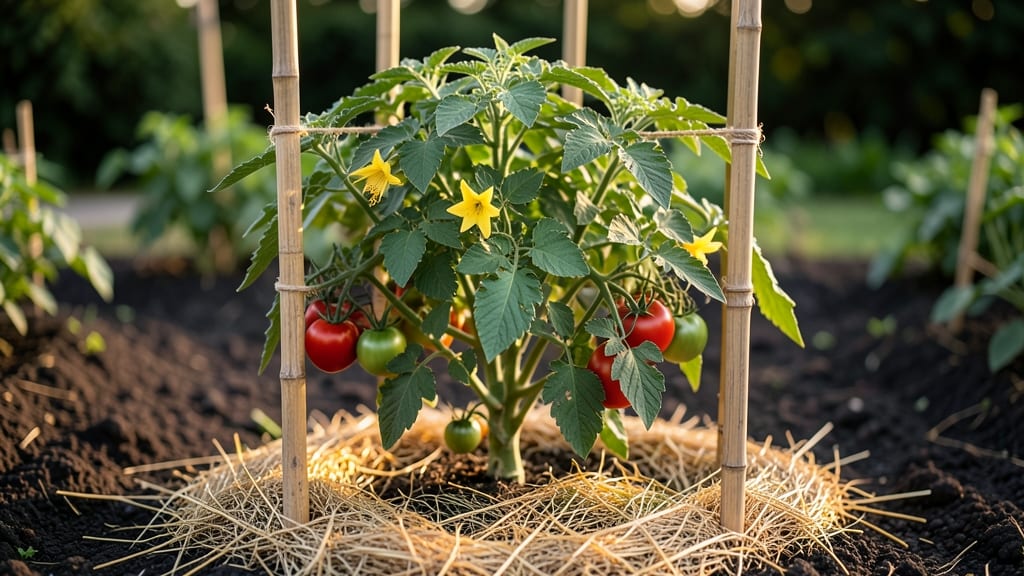
Spacing your beefsteak tomato plants correctly is the difference between bursts of disease and heavy, flavorful harvests—and it’s easier than you think.
Struggling to get the biggest, juiciest beefsteak tomatoes from your garden? The secret often lies in how you space them—too close, and you risk disease; too far, and you waste precious space. Get the spacing right, and you’ll unlock healthier plants, higher yields, and fewer pests.
Beefsteak tomatoes 🍅 need room to breathe, especially in Zone 6a, where humidity and heat can turn crowded plants into a blight magnet. Whether you’re planting in raised beds, containers, or the ground, the right layout keeps airflow strong, stems sturdy, and fruit production at its peak.
Below, I break down the exact spacing rules for your setup—plus how to adjust for trellises, staking, and even those giant heirloom varieties that need extra elbow room.

Optimal beefsteak tomato spacing by growing method: in-ground vs. containers
Beefsteak tomatoes are the queens of heirloom varieties, producing those pound-heavy, meaty fruits we all crave. But their indeterminate growth habit means they’ll keep reaching for the sky unless you give them proper space.
The right plant spacing prevents disease, maximizes airflow, and ensures each plant gets enough sunlight and nutrients to produce those showstopping 1-lb tomatoes.
Whether you’re planting in raised beds, in-ground plots, or containers, spacing rules change dramatically. Crowd them too close, and you’ll battle blight and rot; space them too far, and you’ll waste garden real estate.
Let’s break down the ideal spacing for each method, including row spacing, plant-to-plant distance, and vertical support needs for these 6-foot giants.
Why spacing matters: Proper airflow reduces humidity buildup, which is critical for beefsteaks prone to early blight and late blight. It also prevents root competition, ensuring each plant gets enough water and nutrients to support large fruit loads. In containers, spacing affects root growth and stability, while in-ground plants need room to spread their roots deeply.
For in-ground planting, aim for 24–36 inches between plants and 36–48 inches between rows. This gives roots room to expand laterally while ensuring adequate airflow to prevent fungal diseases. If your soil is poor-draining, increase spacing to 36 inches to reduce root rot risk.
I’ve found that Brandywine beefsteaks need the extra space—they can get top-heavy with those 2-lb fruits!
In raised beds, you can tighten spacing slightly to 18–24 inches between plants because the elevated soil warms faster and drains better. Just ensure your bed is at least 12 inches deep—beefsteaks have deep taproots that need room to anchor and forage.
I use 24-inch row spacing in my 4-foot-wide beds, which fits two rows perfectly with a walkway in the middle.
Container gardening with beefsteaks is challenging but doable if you follow these rules. A single plant needs at least a 5-gallon container, but I recommend 7–10 gallons for better root development.
For two plants, space them 12–18 inches apart in a 10–15-gallon container, and use a shared trellis to save space. The key is drainage—add perlite or vermiculite to prevent waterlogging, which beefsteaks hate.
Vertical support is non-negotiable for beefsteaks, whether in-ground or in containers. Use 5–6 foot tall cages or
How to adjust spacing for high-yield beefsteak tomato varieties
Not all beefsteak tomatoes are created equal when it comes to spacing needs. Varieties like Brandywine and Cherokee Purple grow into sprawling, vigorous plants that need room to thrive. These heirlooms produce pound-sized fruits, but their heavy yields require proper spacing to prevent disease and maximize airflow.
Without the right distance, you’ll struggle with blight, weak stems, and stunted growth—even if you’re using the best fertilizer and soil.
The key is balancing plant-to-plant distance with row spacing, while also accounting for your chosen support system. Trellising indeterminate varieties (like Brandywine) lets you squeeze more plants into tight spaces, but staking determinate types (like Mountain Merit) needs wider spacing.
Let’s break down how to adjust spacing for each scenario to get the biggest, healthiest beefsteaks your garden can handle.
| Variety | Growth Type | Plant Spacing (in) | Row Spacing (ft) | Trellis/Stake Needs | Yield Potential |
|---|---|---|---|---|---|
| Brandywine | Indeterminate | 24-36 | 3-4 | Trellis required | 10-20 lbs/plant |
| Cherokee Purple | Indeterminate | 24-36 | 3-4 | Trellis recommended | 8-15 lbs/plant |
| Mountain Merit | Determinate | 18-24 | 2-3 | Stake or cage | 5-10 lbs/plant |
| Big Beef | Indeterminate | 24-30 | 3 | Trellis or stake | 12-18 lbs/plant |
For trellised beefsteaks, like Brandywine, I recommend spacing plants 24-36 inches apart in rows that are 3-4 feet apart. This setup lets you grow two rows per 4-foot bed while keeping airflow optimal.
The trellis should be 6-8 feet tall to support their 6-foot vines, and I prune suckers aggressively to focus energy on fruit production. Without trellising, these varieties sprawl wildly, leading to shady lower leaves and fungal diseases.
If you’re using stakes or cages (common for determinate types like Mountain Merit), cut spacing to 18-24 inches between plants and 2-3 feet between rows. These varieties produce all their fruit at once, so wider spacing helps prevent branch breakage under the weight of heavy tomatoes.
I’ve found that adding a second cage mid-season for determinate types can double your yield without overcrowding.
Container growers face unique challenges with beefsteaks. Even large 5-gallon pots can support one Brandywine plant, but you’ll need to prune heavily and use a strong trellis.
For containers, space plants 30 inches apart to allow for airflow, and place pots where they get full sun all day. I’ve had success with self-watering containers to prevent moisture stress, which is critical for these thirsty varieties.
Proper spacing isn’t just about yield—it’s about plant health. Crowded beefsteaks develop early blight faster because moisture lingers on leaves. I’ve seen gardens lose 80% of their crop to blight simply because plants were too close.
The fix? Space strategically, prune for airflow, and water at the base to keep foliage dry. With the right layout, your beefsteaks will thrive, and you’ll enjoy tomatoes the size of softballs all season long.