
Planting
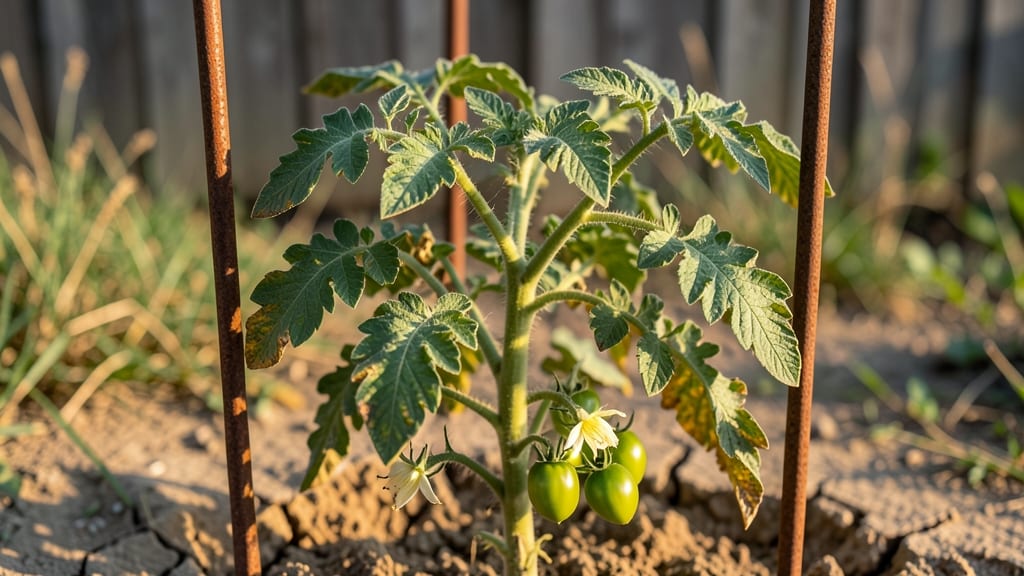
Your tomato plants wilting in the sun isn't just heat stress—it's a cry for help from roots struggling to keep up. 🌞 I've seen this happen after a sudden heatwave, where plants go from perky to limp in just hours, and I'll show you how to revive them before it's too late.
The problem usually boils down to three things: too much sun too fast, water evaporating quicker than roots can absorb it, or soil that's either bone-dry or waterlogged from uneven watering. The good news?
Each fix is simple—shade cloth, mulch, or adjusting your watering schedule—and they work fast if you catch it early. Within 24-48 hours of proper care, you'll see leaves firming up again as roots recover.
The key is acting before the plant's energy reserves get too low, and I'll walk you through the exact steps to bring them back to full strength.
This works for both container tomatoes and in-ground plants, and the same principles apply whether you're dealing with a sudden heatwave or your afternoon sun just got too intense. Let's get those plants back in action!
Root Causes Of Midday Wilting
When your tomato plants suddenly droop under the blazing sun, it’s rarely just "too hot"—it’s usually a mix of environmental stress, physiological overload, or hidden damage. Understanding the specific triggers helps you intervene before permanent harm occurs.
Let’s break down the science behind why your plants throw in the towel when the sun peaks.
Tomatoes are tropical plants, but their optimal temperature range (70–85°F / 21–29°C) has a strict upper limit. When soil or air temperatures exceed 90°F (32°C), two critical problems arise:
- Stomatal closure: Leaves lose water faster than roots can absorb it. Stomata (tiny pores) shut to conserve moisture, but this halts photosynthesis and nutrient transport—causing wilting within hours.
- Root temperature shock: Soil above 95°F (35°C) damages root cells, reducing water uptake by 50% or more. Even if roots are hydrated, they can’t deliver moisture fast enough.
Pro Tip: 🌡️ Use a soil thermometer—if readings hit 90°F+, your plants are in danger. Mulch with straw or wood chips to keep soil 5–10°F cooler.
Wilting isn’t always about drought—it’s often about where the water is (or isn’t) in the soil. Common missteps:
| Problem | Why It Causes Wilting | Fix It Fast |
|---|---|---|
| Shallow watering | Roots stay dry in the top 2 inches while lower roots drown. Plants "gasps" for moisture. | Water deeply (1–2 feet down) every other day in heatwaves. |
| Hardened crust | Sun-baked soil repels water, trapping air pockets. Roots suffocate. | Apply hydro-mulch or break crust with a fork after watering. |
| Salty soil buildup | Evaporation leaves salt deposits, blocking water absorption. | Flush soil with 2 inches of water weekly to leach salts. |
Watch For: If leaves wilt only during the day but perk up at night, it’s transpiration stress. If they stay limp all day, roots are struggling.
Not all wilting is environmental—some sneaky invaders hijack your plants’ systems:
- Spider mites & aphids: These pests drink sap and inject toxins, causing leaves to curl and wilt. Infestations peak in hot, dry conditions.
- Fungal wilts (Fusarium/Verticillium): Soil-borne fungi clog xylem vessels, blocking water flow. Wilting starts in one branch and spreads.
- Root-knot nematodes: Microscopic worms gnaw on roots, reducing water uptake by 30–70%.
How to Tell: Check for:
- ✅ Sticky residue (aphids) or fine webbing (spider mites) on undersides of leaves.
- ✅ Yellowing veins (fungal wilt) or gall-like bumps on roots (nematodes).
Act Now: 🔥 Spray plants with neem oil for pests; replace infested soil if fungal wilt is suspected.
Tomatoes adapted to partial sun (6+ hours daily) can suffer from acute light stress when suddenly exposed to full, intense sunlight. This triggers:
- Photoinhibition: Excess light damages chlorophyll, reducing the plant’s ability to convert sunlight into energy.
- Oxidative stress: Sunlight generates reactive oxygen species (ROS), which "burn" cell membranes.
Signs: Leaves turn yellow between veins (sun scald) or develop white/brown patches. Wilting follows as cells collapse.
Prevent It: 🌿 Gradually acclimate seedlings to full sun over 7–10 days. Use shade cloth (30–50%) for the first week in extreme heat.
Revive Your Tomatoes Fast
When your tomato plants start wilting under the blazing sun, acting quickly can mean the difference between a thriving harvest and lost plants. Below are targeted solutions for the most common causes—each with step-by-step fixes and prevention tips to keep your garden healthy and productive.
If your plants are wilting from intense midday sun, they’re likely suffering from heat shock. Tomatoes thrive in warm weather but can’t handle extreme heat without support.
How to Fix It:
- 🌿 Provide Shade Cloth or Row Covers
- Install 30-50% shade cloth over the plants during peak sun (10 AM–4 PM).
- Use lightweight floating row covers if you don’t have shade cloth—just drape them loosely to allow airflow.
- 💦 Increase Watering Frequency (But Smartly)
- Deep water in the early morning (before 9 AM) to prevent evaporation.
- Use drip irrigation or soaker hoses to keep roots moist without wetting leaves (which can cause sunburn).
- Mulch heavily (3–4 inches of straw or wood chips) to retain moisture and cool soil.
- 🌡️ Boost Humidity Around Plants
- Place trays of water near the base or mist leaves lightly in the evening (avoid midday misting—it can scorch them).
- Group plants together to create a microclimate that traps moisture.
💡 Prevention Tip:
- Choose heat-tolerant varieties like ‘Solar Fire,’ ‘Heatmaster,’ or ‘Creole’ if you live in a hot climate.
- Prune lower leaves to improve airflow and reduce heat absorption.
If leaves look bleached, crispy, or yellowed, they’re suffering from sun scald—common in young or stressed plants.
How to Fix It:
- 🛡️ Shield Leaves from Direct Sun
- Use lightweight shade cloth or whitewash (a mix of water, milk, and lime) to reflect sunlight.
- Train vines to grow upward (using cages or trellises) to keep leaves out of scorching lower sunlight.
- 🍃 Trim Damaged Leaves
- Snip off severely burned leaves with clean scissors to redirect energy to healthy growth.
- Avoid removing too many leaves at once—do it gradually over a few days.
- 🚿 Hydrate & Fertilize for Recovery
- Give a balanced fertilizer (10-10-10) to help repair tissue.
- Avoid overhead watering—it can worsen sun damage.
💡 Prevention Tip:
- Hardening off seedlings gradually before transplanting prevents sudden sun shock.
- Grow tomatoes in partial shade (especially in desert climates) during their early stages.
Wilting can also mean root issues—either from overwatering (leading to rot) or underwatering (causing dehydration).
How to Fix It:
- 🔍 Check Soil Moisture First
- Stick your finger 2 inches into the soil—if it’s dry, water deeply. If it’s soggy, hold off and improve drainage.
- 🚰 Adjust Watering Based on Soil Type
- Sandy soil? Water 2–3 times a week (shallow roots dry fast).
- Clay soil? Water deeply 1–2 times a week (roots stay wet too long).
- Use a moisture meter if unsure—it’s a game-changer!
- 🌱 Improve Soil Drainage
- Mix in compost or perlite to loosen heavy soil.
- Raise beds slightly if your garden floods easily.
💡 Prevention Tip:
- Water at the base (never the leaves) to prevent fungal diseases that worsen root stress.
- Avoid watering at night—wet foliage invites pests and disease.
If wilting is localized (only some stems/leaves) or accompanied by spots, holes, or sticky residue, pests or disease may be the culprit.
How to Fix It:
- 🔎 Identify the Problem
- Aphids/Spider Mites? Look for sticky residue or tiny webs.
- Fungal Issues? Check for yellow spots or mold on stems.
- Root-Knot Nematodes? Wilting worsens in heat—dig up a plant to check for galls on roots.
- 🛡️ Apply Targeted Treatments
- Pests: Spray with neem oil or insecticidal soap (reapply every 5–7 days).
- Fungus: Use copper fungicide or baking soda spray (1 tsp baking soda + 1 quart water + a drop of dish soap).
- Nematodes: Solarize soil (cover with clear plastic for 4–6 weeks) or plant marigolds nearby as a natural repellent.
- 🌿 Strengthen Plant Immunity
- Fertilize with compost tea or fish emulsion to boost health.
- Remove infected leaves immediately to stop spread.
💡 Prevention Tip:
- Rotate crops yearly to prevent soil-borne diseases.
- Encourage beneficial insects (like ladybugs) by planting dill or marigolds nearby.
If your tomato is severely wilted but not dead, try this 24-hour rescue plan:
- 🌊 Submerge the Pot (For Container Tomatoes)
- Place the entire pot in a bucket of lukewarm water for 1–2 hours to rehydrate roots.
- 💧 Foliar Feed with Seaweed Extract
- Mix 1 tbsp seaweed extract per gallon of water and spray on leaves to replenish nutrients fast.
- 🌿 Trim & Prune Aggressively
- Cut back all but the top 2–3 leaves to reduce water loss while the plant recovers.
- 🌡️ Move to Shade Immediately
- Keep the plant in partial shade for 3–5 days until it perks up.
🎯 Final Pro Tip: Tomatoes are tougher than they look—many bounce back with the right care! Monitor daily, adjust watering, and protect from midday sun until they stabilize. With these fixes, you’ll be back to plump, juicy tomatoes in no time! 🍅✨
Frequently asked questions
Why do my tomato plants wilt only during the hottest part of the day?
This is classic transpiration stress—your plants lose water faster than roots can absorb it when temperatures exceed 90°F (32°C). Stomata (leaf pores) close to conserve moisture, but this halts photosynthesis. Water deeply in the morning and use 30-50% shade cloth during peak sun hours to help.
Can I save a tomato plant that's completely wilted in the sun?
Yes! For container plants, submerge the entire pot in lukewarm water for 1-2 hours to rehydrate roots. Prune back to the top 2-3 leaves and move to partial shade for 3-5 days. Avoid watering leaves—focus on deep soil hydration. Most plants recover within 48 hours if roots aren't permanently damaged.
What's the difference between sunburn and heat stress in tomatoes?
Sunburn shows as white/brown patches on leaves (from too much direct UV), while heat stress causes general wilting without leaf damage. Both happen in extreme heat, but sunburned leaves often crisp up while heat-stressed plants may just droop. Prevent sunburn with shade cloth or whitewash; heat stress needs more frequent watering and mulch.
How often should I water tomato plants in extreme heat?
Water deeply every other day in early morning (before 9 AM) using drip irrigation or soaker hoses. Sandy soil may need daily watering, while clay soil can handle every 2-3 days. Always check soil 2 inches down—if dry, water more. Mulch with 3-4 inches of straw to retain moisture and cool roots.
Are some tomato varieties more heat-resistant than others?
Heat-tolerant varieties like 'Solar Fire', 'Heatmaster', or 'Creole' handle 95°F+ (35°C+) better than standard types. These varieties have thicker leaves that retain moisture longer. If you're in a hot climate, choose these or plant in partial afternoon shade during peak summer months.