
Planting
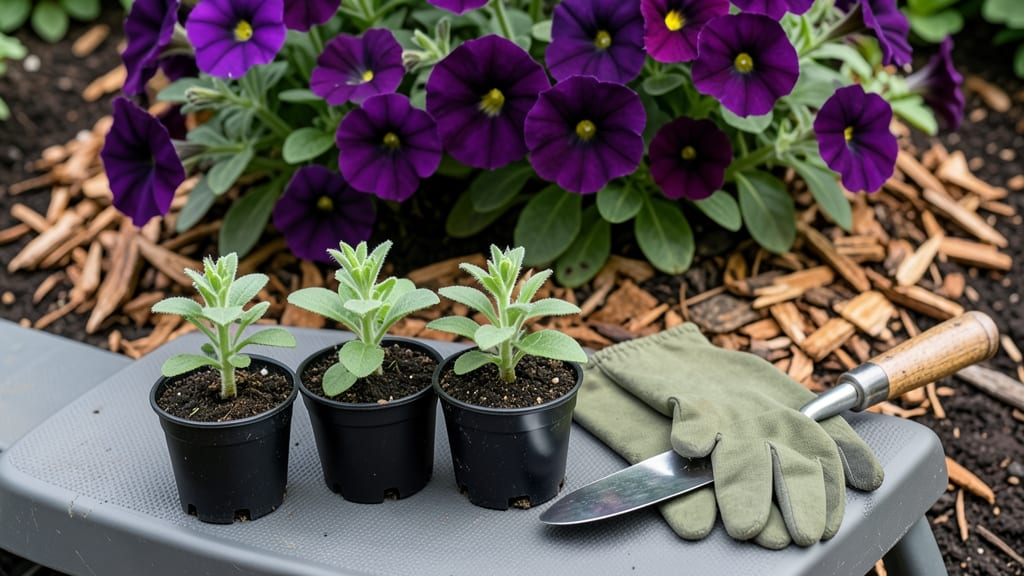
Planting petunias in flower beds transforms dull spaces into vibrant, eye-catching displays that last all season. 🌸 I've learned that the secret isn't just dropping them in—it's about soil prep, spacing, and light that makes them thrive.
My first attempt ended with leggy, sparse blooms, but now I get lush, continuous flowers from spring to frost. Start with well-draining soil mixed with compost—petunias hate soggy roots.
Space them 12-18 inches apart (closer for trailing varieties) and plant just deep enough so the top of the root ball sits at soil level. Water thoroughly after planting, then keep the soil consistently moist but not waterlogged. Most people overwater, which leads to root rot and fewer blooms.
Once established, you'll see bold color explosions within weeks. Pinch back leggy stems early to encourage bushier growth, and deadhead spent blooms regularly. Petunias pair beautifully with salvias, marigolds, or even veggie plants—their bright hues make any bed pop.
This method works for in-ground beds, raised planters, or even container gardens. The key is consistency: good soil, proper spacing, and regular care. Let's get those petunias planted!
📚 In This Guide
- What you need
- Instructions
- Tips and common mistakes
- Wrapping up and next steps
What you need
- ● Petunia plants: 6–12 plants per square foot (choose disease-resistant varieties like 'Wave' or 'Supertunia' for long-lasting blooms).
- ● Well-draining potting mix: 1–2 bags (look for blends labeled for annuals or flowering plants).
- ● Garden gloves: 1 pair (to protect your hands from thorns or soil debris).
- ● Trowel or hand shovel: 1 (for digging small holes—opt for a 5-inch blade for precision).
- ● Watering can or hose with a gentle spray nozzle: 1 (petunias love consistent moisture but hate soggy roots!).
- ● Organic fertilizer (balanced 10-10-10 or slow-release granules): 1 bag (follow package rates for newly planted flowers).
- ○ Mulch (optional but recommended): Straw, pine bark, or coconut coir (spread 2–3 inches after planting to retain moisture).
- ● Compost or worm castings: Mix into soil for extra nutrients (1–2 cups per plant).
- ● Plant stakes or cages: For trailing varieties like 'Black Velvet' (install at planting time).
- ● Epsom salt: 1 tablespoon per gallon of water (occasional foliar spray for magnesium boosts).
- ● Slow-release fertilizer spikes: 1–2 per plant (for low-maintenance feeding).
- ● Pruning shears: For deadheading spent blooms (keep them sharp and clean).
Step-by-Step instructions for planting petunias in flower beds
Here's the foolproof method I use to create vibrant, low-maintenance petunia displays that bloom nonstop from spring until frost.
🌱 Step 1: Prepare the Flower Bed for Planting
Choose a location with full sun exposure (6-8 hours daily)—petunias simply won't thrive in shade. Clear the bed of weeds and debris, then loosen the soil to a depth of 12 inches using a garden fork or tiller. This improves drainage, which petunias need to prevent root rot.
Amend the soil with 2-3 inches of compost or well-rotted manure, working it into the top 6 inches. Petunias prefer slightly acidic to neutral soil (pH 6.0-7.0), so if your soil tests outside this range, adjust with lime or sulfur before planting. The goal is loose, fertile soil that drains well but retains moisture.
✂️ Step 2: Space and Plant Petunia Starts
Plant petunia starts 12-18 inches apart in rows spaced 18-24 inches apart for medium-sized varieties, or 10-12 inches apart for trailing types. Dig holes just deep enough to accommodate the root ball without burying the stem—petunias hate having their crowns covered with soil.
Gently remove each plant from its container and tease apart any tangled roots. Place the plant in the hole, backfill with soil, and press lightly to eliminate air pockets. Water deeply right after planting to settle the soil and encourage root contact. You'll see new growth within 7-10 days if the roots have established properly.
💧 Step 3: Water and Mulch for Healthy Growth
Water petunias 1-2 inches per week, keeping the soil consistently moist but never soggy. The top inch of soil should feel slightly damp to the touch. Water at the base of plants in the morning to reduce evaporation and fungal risks. Avoid wetting the leaves, which can promote powdery mildew.
Apply a 2-3 inch layer of mulch around plants (but not touching the stems) to retain moisture and suppress weeds. I use shredded bark or pine straw, which also adds organic matter as it breaks down. Replenish mulch every few months to maintain its insulating properties.
☀️ Step 4: Fertilize and Deadhead for Continuous Blooms
Feed petunias with a balanced, water-soluble fertilizer (10-10-10) every 2-3 weeks during the growing season. Follow label instructions for dilution rates—over-fertilizing causes leafy growth at the expense of flowers. You'll notice vibrant blooms within 2-3 weeks of consistent feeding.
Deadhead spent blooms regularly by pinching off flowers just above the next set of leaves. This encourages more blooms and prevents seed formation, which diverts energy from flowering. I do this every 3-4 days during peak bloom periods. Prune leggy stems back by one-third to promote bushier growth.
⏰ Step 5: Winter Care for Repeat Plantings
In fall, cut back dead foliage to 2 inches above ground level and apply a 4-6 inch layer of mulch to protect roots from freezing temperatures. Petunias are annuals, but you can extend their life by bringing potted varieties indoors before frost or starting new plants from cuttings in early spring.
For next season, mark your planting locations with stakes to avoid disturbing roots. I like to sketch a simple diagram of the bed layout so I can replicate the same vibrant color patterns. With proper care, your petunias will reward you with continuous blooms for 4-5 months each year.
Tips & tricks for perfect petunia planting
Between us, these little details make all the difference between petunias that thrive and ones that just barely survive. Here's what nobody tells you about growing showstopping petunia displays.
Sun Exposure Secret: That 6-8 hours of full sun isn't just a suggestion—it's non-negotiable for petunias. I've learned this the hard way after watching shade-loving plants outperform my petunias in partial sun. Install a sun gauge near your planting area for a week to confirm light levels before committing. Morning sun with afternoon shade works in very hot climates, but expect fewer blooms.
Soil Prep Game-Changer: The 12-inch soil loosening in Step 1 isn't just about drainage—it's about creating an oxygen-rich zone where roots can spread freely. I use a broadfork to avoid compacting the soil further. For heavy clay soils, mix in 25% perlite with your compost to improve structure dramatically. Test soil pH before planting—petunias show stress when pH falls below 5.5 or rises above 7.5.
Planting Precision: When spacing your 12-18 inch starts, think about mature plant size and airflow. I mark planting locations with bamboo stakes before digging holes to maintain consistent spacing. For trailing varieties, plant them at the edges of beds where they can cascade beautifully. The key is to avoid crowding—petunias need good air circulation to prevent fungal diseases that can ruin your display.
Watering Wisdom: That 1-2 inch weekly watering guideline assumes average rainfall. In my zone 7 garden, I check soil moisture daily during summer heatwaves—petunias wilt dramatically when thirsty. Water at soil level using a soaker hose or drip irrigation to keep leaves dry. The morning watering routine prevents evening moisture that invites slugs and fungal spores.
Pro Tips for Plant Petunias In Flower Beds
- Between us, these little details make all the difference between petunias that thrive and ones that just barely survi...
- Sun Exposure Secret: That 6-8 hours of full sun isn't just a suggestion—it's non-negotiable for petunias. I've learne...
- Soil Prep Game-Changer: The 12-inch soil loosening in Step 1 isn't just about drainage—it's about creating an oxygen-...
Frequently asked questions
Got questions about planting petunias? You're not alone! Here are some of the most common concerns—plus quick, expert-backed answers to help you grow stunning blooms with confidence.
When is the best time to plant petunias in my region?
Petunias thrive in warm soil (at least 60°F/15°C) and consistent temperatures above 50°F (10°C). In USDA Zones 9–11, plant in early spring (Feb–March) or fall (Sept–Oct) for year-round color. For cooler zones (3–8), wait until after the last frost (late April–May) or start indoors 8–10 weeks before the last frost. Pro tip: Use mulch to protect roots if night temps dip below 50°F (10°C).
How close can I plant petunias together?
Petunias need space to breathe—crowding invites disease and weak stems. For bush varieties, space plants 12–18 inches apart. Trailing types (like 'Supertunia') can sprawl 10–12 inches apart but may need support. If planting in hanging baskets, use 1 plant per 6–8 inches of container width. Too close? Thin seedlings to avoid competition for nutrients.
Why are my petunia leaves turning yellow?
Yellow leaves usually signal overwatering or poor drainage. Petunias hate soggy roots! Check for:
- Mushy stems → Reduce watering and improve drainage (add perlite or sand to soil).
- Yellow edges → Underwatering or nutrient deficiency (try a balanced fertilizer like 10-10-10).
- Yellow + brown spots → Fungal disease (remove affected leaves, space plants better, and water at soil level, not overhead).
Can I plant petunias in full shade?
Petunias are sun-worshippers and need at least 6 hours of direct sunlight daily for vibrant blooms. In partial shade (3–6 hours of sun), they’ll produce fewer flowers and may grow leggy. For shady spots, try alternatives like:
- Impatiens (shade-tolerant but prone to downy mildew).
- Begonias (thrive in 4–6 hours of light).
- Heuchera (colorful foliage for texture).
How do I keep pests like aphids off my petunias?
Aphids, spider mites, and whiteflies love petunias, but you can outsmart them:
- Prevent: Neem oil spray (weekly) or companion plants like marigolds (repel pests naturally).
- Treat: Blast aphids off with a strong water spray or use insecticidal soap (follow label).
- Encourage predators: Ladybugs and lacewings devour pests—plant dill or fennel nearby to attract them.
Wrapping up and next steps
Planting petunias in your flower beds is a rewarding way to add vibrant color and life to your outdoor space! With the right soil, spacing, and care, these cheerful blooms will thrive and keep your garden looking stunning all season long. 🌸
Now that you’re armed with the knowledge, roll up your sleeves and get planting! Start by choosing a sunny spot, prep the soil, and watch your petunias flourish. For extra tips, check out our guide on maintaining petunias for long-lasting blooms—your garden will thank you!