
Planting
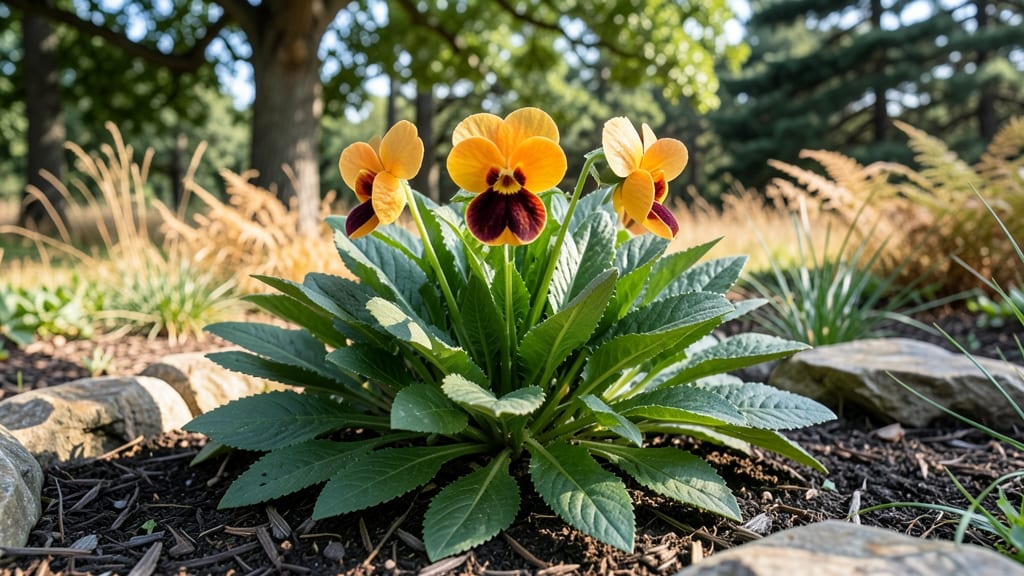
Growing monkey face flowers (Mimulus spp.) transforms any shady spot into a lush, evergreen privacy screen with velvety foliage and delicate blooms. 🌿 I planted mine last spring along my north-facing fence, and now it’s a year-round green wall that outshines any store-bought screen—plus, it thrives where nothing else will.
The secret lies in rich, well-draining soil that stays consistently moist but never soggy. These plants love partial shade to full sun (depending on your climate) and will reward you with three-season blooms if you keep them happy.
Propagation is easy—either sow seeds in early spring or take cuttings in summer for instant results.
By mid-fall, your screen will be dense enough to block nosy neighbors while filtering light beautifully. The foliage stays vibrant even in winter, and the occasional flowers add a splash of color when most gardens fade. Just watch for slugs in damp weather—they adore young leaves.
Perfect for urban gardens, woodland edges, or anywhere you need low-maintenance privacy that doesn’t require constant pruning. Let’s get those roots growing!
📚 In This Guide
- What you need
- Instructions
- Tips and common mistakes
- Wrapping up and next steps
What you need
- ● Monkey face flower seeds (organic, non-GMO preferred) – 1 packet (50-100 seeds)
- ● OR a nursery-grown plant (1-3 mature plants, 6-12 inches tall)
- ● Well-draining potting mix – 2-3 cubic feet for in-ground planting; 1-2 gallons for containers
- ○ Garden soil amendment (compost or peat moss) – 1 part per 3 parts soil (optional but recommended)
- ● Organic mulch (straw, wood chips, or shredded leaves) – 2-3 inches thick
- ● Garden trowel or transplant spade (for digging)
- ● Watering can or hose with a gentle spray nozzle
- ● Pruning shears (for trimming and shaping)
- ● Gloves (to protect hands from soil and thorns)
- ● Container or raised bed (if not planting in-ground; 5+ gallon size recommended)
- ● Plant markers (to label your monkey face flowers)
- ● Slow-release fertilizer (balanced 10-10-10 or organic options like fish emulsion)
- ● Plant support stakes or trellis (if training vines for vertical growth)
- ● Shade cloth (30-50% coverage for seedlings in hot climates)
- ● Seed-starting tray (if germinating indoors before transplanting)
- ● Compost tea or liquid fertilizer (for a nutrient boost)
How to plant and maintain a stunning monkey face flower privacy screen
This bold, evergreen shrub delivers year-round privacy with its striking foliage and unusual flowers.
🌱 Step 1: Choose the Perfect Planting Location
Monkey face flowers (Mimulus spp.) thrive in partial shade to full sun, but for dense privacy screens, I always pick a spot with morning sun and afternoon shade—this prevents leaf scorch while encouraging lush growth. Measure your space: these plants grow 4-6 feet tall and wide, so space them 3-4 feet apart for a full, unbroken screen.
Check the soil drainage first—waterlogged roots will kill your screen in weeks. If your yard holds water, amend with 2-3 inches of compost mixed into the top 12 inches of soil. The ideal soil pH is 6.0-7.0, slightly acidic to neutral. Test your soil with a simple kit before planting; adjusting pH now saves headaches later.
🪴 Step 2: Dig and Plant with Proper Spacing
Dig holes twice as wide as the root ball but only as deep as the container. This prevents burying the stem too deeply, which causes rot. Gently remove the plant from its container and tease the roots outward if they're circling—this encourages outward growth instead of a tangled mess. Place each plant 3-4 feet apart in a grid pattern for maximum coverage.
Fill the hole halfway with soil, then water deeply to settle it. This removes air pockets that could strangle roots. Backfill the rest of the hole, pressing lightly to eliminate gaps. Water again until the soil is evenly moist to a depth of 6 inches. Mulch around the base with 2-3 inches of shredded bark, keeping it 3 inches away from the stem to prevent rot.
☀️ Step 3: Water and Fertilize for Lush Growth
Water deeply once a week during the first growing season, aiming for 1-1.5 inches of water per week. You'll know you're doing it right when the top 2 inches of soil feel dry before the next watering. Overwatering is the #1 killer—yellowing leaves or wilting despite damp soil means you're drowning the roots.
Feed with a balanced 10-10-10 fertilizer every 6-8 weeks during spring and summer. I mix it into the soil at the base rather than spraying—this prevents leaf burn and ensures roots get the nutrients. Stop fertilizing in fall to let the plant harden off for winter. The dramatic foliage you're after starts with consistent feeding and proper hydration.
✂️ Step 4: Prune for Shape and Encourage Bushiness
Prune right after flowering in late summer to shape the screen and promote next year's blooms. Cut back one-third of the oldest stems to encourage new growth from the base. Use clean, sharp shears and make cuts just above a leaf node—this prevents ragged edges and disease entry points.
For a dense screen, I also do a light trim in early spring before new growth appears. This removes any dead or crossing branches that could block sunlight from reaching the center. Never cut into old wood—new growth should come from the current season's stems. After pruning, give the plants a light feeding to support regrowth.
⏰ Step 5: Winter Care for Year-Round Privacy
Monkey face flowers are hardy to USDA zones 5-9, but young plants need extra protection their first winter. In colder zones, mulch heavily with 4-6 inches of shredded leaves or straw around the base. This insulates roots from freeze-thaw cycles that cause heaving. Water sparingly in winter—just enough to keep the soil from drying out completely.
In spring, remove old mulch and check for winter damage. If you see brown, mushy stems, prune them back to healthy tissue immediately. The plant's natural resilience means it often bounces back quickly. By mid-spring, you'll see new growth pushing through—this is your signal to resume regular watering and feeding for the new season.
Tips & tricks for perfect monkey face flower privacy screens
Between us, creating a lush, year-round privacy screen with monkey face flowers isn't just about planting—it's about setting your shrubs up for long-term success. Here's what nobody tells you about making this bold foliage thrive.
Location is Everything: While monkey face flowers tolerate partial shade to full sun, that morning sun and afternoon shade recommendation isn't arbitrary—it's about balancing photosynthesis and heat stress. I've seen plants in full afternoon sun develop crispy leaf edges by midsummer. If your only option is full sun, choose the northernmost exposure possible and supplement with afternoon shade using sheer fabric or lattice screens during peak heat months.
Root Ball Rescue: That instruction about teasing out circling roots isn't just good advice—it's critical. I learned this the hard way after watching three plants develop girdling roots that eventually choked their own growth. Take 5 extra minutes to gently separate those roots with your fingers before planting. This encourages outward growth that creates that dense screen we're all after.
Mulch Matters More Than You Think: The 2-3 inches of shredded bark isn't just decoration—it's your first line of defense against soil temperature swings and moisture loss. I've noticed plants with proper mulch maintain even moisture and stay 5-10°F cooler in summer heat. For extra protection in hot climates, add a 1-inch layer of straw on top of the bark mulch during peak summer months. Just remember to keep that mulch volcano away from the stem!
Pruning Precision: That one-third cut-back of oldest stems in late summer might seem drastic, but it's the secret to maintaining your screen's density. I always mark the stems I'll remove with a bright ribbon before cutting—this helps me visualize the plant's structure and avoid over-pruning. For the early spring trim, focus on removing only the dead wood and crossing branches. The goal is to open up the center just enough for air circulation without sacrificing that lush, full look.
Pro Tips for Monkey Face Flower Plant
- Between us, creating a lush, year-round privacy screen with monkey face flowers isn't just about planting—it's about ...
- Location is Everything: While monkey face flowers tolerate partial shade to full sun, that morning sun and afternoon ...
- Root Ball Rescue: That instruction about teasing out circling roots isn't just good advice—it's critical. I learned t...
Frequently asked questions
Got questions about growing and maintaining your monkey face flower plant (Mimulus spp.)? You’re not alone! Here are some of the most common queries—plus quick, actionable answers to keep your privacy screen thriving year-round.
Is the monkey face flower plant easy to grow for beginners?
The good news? Yes! This shade-loving beauty is very beginner-friendly. Just ensure it gets partial to full shade (especially in hot climates) and moist, well-draining soil. It’s also perennial in zones 5-9, so once established, it’ll bounce back yearly with minimal fuss. Pro tip: Mulch around the base to retain moisture and suppress weeds!
When is the best time to plant monkey face flowers?
For container or in-ground planting, aim for early spring or early fall when temperatures are mild (50–70°F). This gives roots time to establish before summer heat or winter frost. If you’re dividing an existing plant, spring is ideal—just water thoroughly after transplanting to reduce shock.
Why are my monkey face flowers wilting or turning yellow?
Wilting or yellowing leaves usually signal overwatering, underwatering, or root rot. Check the soil—it should be moist but not soggy. If the plant feels too heavy when lifted, it’s overwatered. Adjust your watering schedule (every 2–3 days in summer, less in winter) and ensure pots have drainage holes. Fungal issues? Trim affected leaves and treat with neem oil if needed.
Can I grow monkey face flowers in containers?
This plant thrives in containers (5–7 gallons per plant). Use a balanced potting mix with perlite for drainage, and choose a pot with depth (roots can get long). Place in partial shade and water consistently. Bonus: Containers let you move the plant to follow sunlight or protect it from harsh winds!
What are some low-maintenance alternatives to monkey face flowers?
If you love the dramatic foliage and shade tolerance but want other options, try:
- Heuchera (Coral Bells) – Vibrant leaves, drought-tolerant once established.
- Astilbe – Feathery plumes, thrives in shade, and blooms all summer.
- Ferns (e.g., Maidenhair or Holly Fern) – Lush, textured, and low-fuss.
- Hosta – Classic shade plant with bold variegation.
All three are perennial and privacy-screen friendly!
Wrapping up and next steps
The Monkey Face Flower plant is more than just a privacy screen—it’s a stunning, low-maintenance star that brings bold foliage and year-round interest to your garden. With its striking leaves, adaptability, and minimal care needs, it’s perfect for both beginners and seasoned gardeners alike.
Ready to transform your outdoor space? Start by picking the right spot, gathering your supplies, and planting with confidence!
🌱 Next step: Grab your gloves, mark your planting zone, and dive in—your garden’s new centerpiece is waiting! 🌿