
Planting
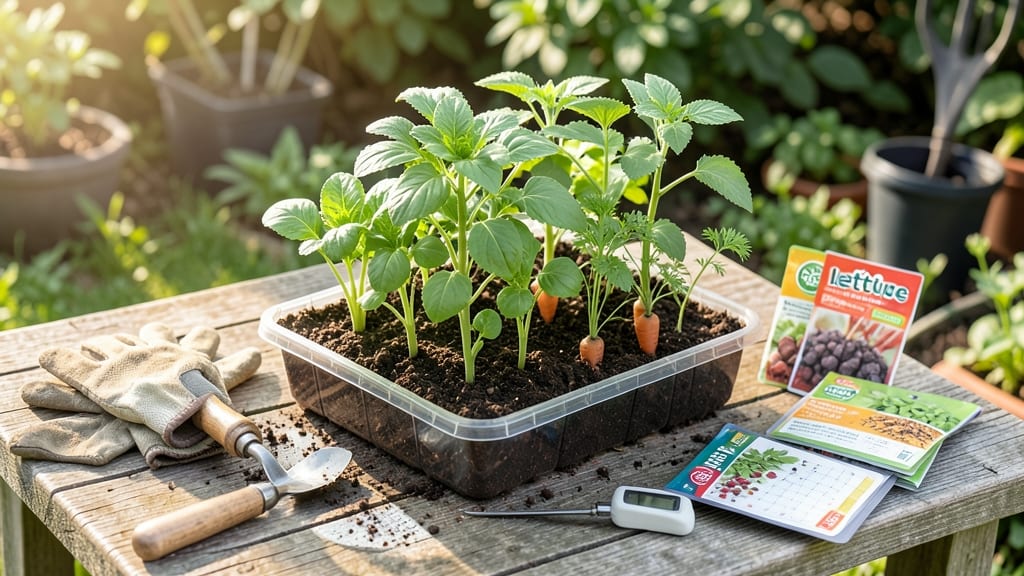
The best time to plant seeds outside depends on your hardiness zone, soil temperature, and whether you’re sowing cool-season or warm-season crops — get it wrong, and you’ll watch your seedlings struggle or bolt.
Timing your seed planting just right can mean the difference between a thriving garden and a wasted season.
In Zone 6a, like most of the Midwest, the window opens after the last frost—typically mid-April—but some seeds, like peas, can handle cooler soil, while others, like tomatoes, need warmer earth to germinate.
Below, I’ll break down the exact soil temps and frost-free dates for your region, plus how to adjust for moon phases if you’re a traditional gardener. You’ll also learn how to test your soil without a fancy thermometer and avoid the three mistakes that kill seeds before they sprout.
By the end, you’ll have a customized planting schedule that matches your seeds, your zone, and your climate—no more guessing games in the garden.

When to plant seeds outside by plant hardiness zone
Getting the timing right for planting seeds outdoors depends on your USDA hardiness zone, last frost date, and soil temperature thresholds. Each zone has unique windows where seeds thrive—planting too early risks frost damage, while waiting too long can shorten the growing season.
Let’s break down the ideal planting times for zones 3 through 11, including regional variations and frost-free soil requirements.
Cool-season crops like lettuce, peas, and spinach tolerate light frosts and can be sown as early as 4-6 weeks before the last frost. Warm-season crops such as tomatoes, peppers, and beans need soil temps of at least 60°F-65°F and should wait until after the last frost.
Adjust your schedule based on your zone’s average frost dates and soil warming trends.
Here’s a quick reference for planting seeds outdoors by zone, including frost-free soil temperature thresholds and ideal planting windows:
| Zone | Last Frost Date | Soil Temp Threshold | Cool-Season Planting Window | Warm-Season Planting Window |
|---|---|---|---|---|
| 3-4 | Mid-May | 45°F-50°F | March-April | Late May-June |
| 5-6 | Mid-April | 50°F-55°F | February-March | April-May |
| 7-8 | Early March | 55°F-60°F | January-February | March-April |
| 9-10 | Mid-January | 60°F-65°F | November-December | February-March |
| 11 | None (year-round) | 65°F+ | Year-round | Year-round |
In Zone 3-4, where frosts linger late, start cool-season seeds indoors in February and transplant after the last frost. For Zone 5-6, you can direct-sow cool crops like kale and carrots as early as March, but wait until May for warm-season crops.
Regions with Zone 7-8 climates enjoy longer growing seasons, allowing for two planting seasons—spring and fall.
For Zones 9-11, frost is rare, so you can plant year-round. However, summer heat can stress seeds, so opt for shade cloth or drip irrigation during peak months. Always check your local agricultural extension office for microclimate adjustments, as urban areas or high elevations may have earlier frosts.
Pro tip: Use a soil thermometer to confirm temps before planting. Most seeds need soil that’s at least 50°F for cool crops and 60°F+ for warm crops. If your soil is too cold, consider black plastic mulch to warm it faster.
Regional variations matter! For example, Pacific Northwest zones may have cooler soils than Southern California zones, even if they share the same USDA zone number. Adjust your schedule based on historical frost data and local weather patterns for the best results.
Don’t forget about fall planting for cool-season crops. In Zones 5-8, you can often sow seeds 6-8 weeks before the first frost for a late harvest. Use row covers to extend the season and protect tender seedlings from unexpected chills.
By aligning your planting schedule with your zone’s frost dates and soil temps, you’ll maximize your garden’s potential and avoid common pitfalls like frost damage or stunted growth. Happy planting! 🌱
How to test soil temperature for perfect seed germination
Soil temperature is the secret weapon for successful seed germination—too cold, and seeds won’t sprout; too hot, and they’ll fail or bolt. Most cool-season crops like lettuce and peas thrive at 50°F–65°F, while warm-season crops like tomatoes and peppers need 70°F–85°F.
Without testing, you’re guessing, and guesswork leads to wasted seeds and missed harvests.
Even in the same hardiness zone, soil warms unevenly—sandy soil heats faster than clay, and south-facing beds get warmer earlier. That’s why testing soil temperature is non-negotiable. A simple soil thermometer (or even a DIY method) can save you from planting too early or too late.
For cool-season crops, start testing soil temps in early spring—aim for 40°F–50°F for hardy greens like spinach or kale. Use a soil thermometer (digital or analog) to check 2–4 inches deep, where most seeds germinate.
If your thermometer reads below 50°F, cover the bed with black plastic mulch for 1–2 weeks to warm it faster.
Warm-season crops are trickier—planting too early can stunt growth or invite disease. Test soil temps daily for a week before planting; if it dips below 60°F at night, delay planting. Pro tip: Use row covers or straw mulch to retain heat if your zone’s last frost is unpredictable.
No thermometer? Try the DIY candle test: Stick a candle into the soil at dusk. If it melts 1 inch by morning, temps are ideal for warm-season crops. For cool-season crops, a frozen water bottle buried overnight will tell you if soil is too cold.
These tricks work but aren’t as precise—soil thermometers are worth the $10 investment.
Adjust your planting schedule based on 3-day averages, not just single readings. If temps fluctuate between 40°F and 60°F, wait—seeds need consistency. Use a seed-starting calendar that aligns with your zone’s frost dates, but always verify with soil temps.
Patience here pays off with stronger seedlings and higher yields.
Remember: Soil temperature > air temperature. A sunny 70°F day might hide 50°F soil, while a cloudy 60°F day could have 65°F soil. Test in the late afternoon for the most accurate reading—this is when soil is warmest and closest to germination conditions.