
Planting
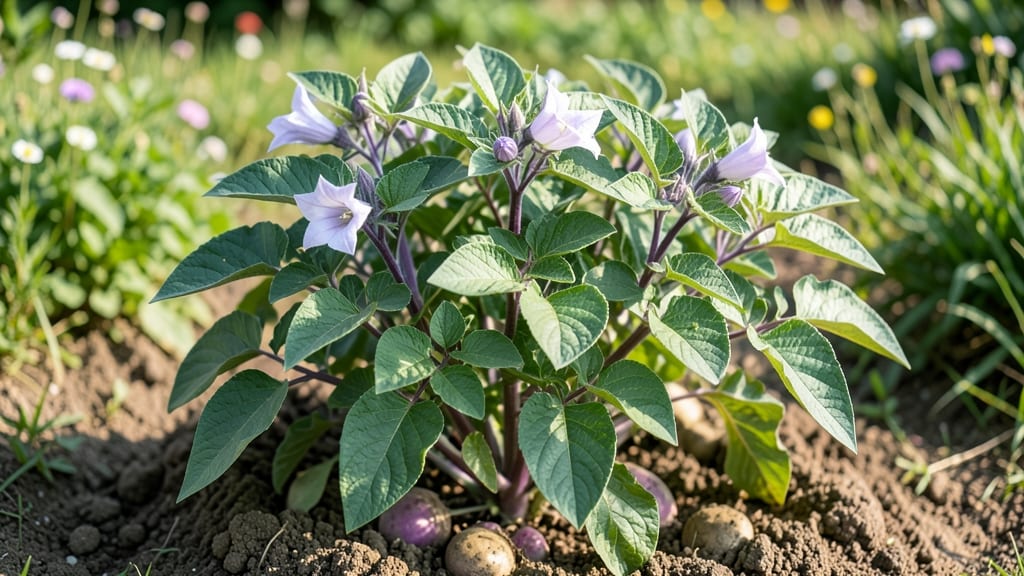
Growing the Purple Majesty potato plant isn't just about harvest—it's about turning your garden into a living privacy screen with striking purple foliage that lasts all season. 🌿 This isn't your average spud: its deep burgundy leaves create a dramatic backdrop, while the tubers themselves boast rich, nutty flavor perfect for roasting or mashed potatoes.
The secret to those showstopping leaves? Planting them in well-draining soil with consistent moisture—too dry, and the foliage fades to green.
The real magic happens in partial shade, where the purple pigment intensifies. Most gardeners plant these in early spring, but they thrive in cooler climates even when started later.
Space plants 12-15 inches apart in rows 3 feet apart—this gives roots room to spread while keeping the foliage dense enough to block views. Water deeply once a week, letting the soil dry slightly between waterings to prevent rot.
Mulch with straw to keep moisture in and weeds out, and watch those purple leaves deepen as they grow.
By midsummer, you'll have a lush, 2-3 foot tall hedge that stays vibrant until frost. The tubers take 90-120 days to mature, so plan to harvest when the foliage yellows.
Dig carefully—their thin skins bruise easily, but the flavor makes it worth the care. These potatoes store well too, so you'll have homegrown spuds for winter meals.
Perfect for urban gardens, small yards, or even large containers. The foliage alone makes them worth growing, but the buttery, earthy potatoes are the real reward. Ready to grow your own privacy screen with a side of harvest?
📚 In This Guide
- What you need
- Instructions
- Tips and common mistakes
- Wrapping up and next steps
What you need
- ● Purple Majesty potato tubers: 10–20 tubers (depending on desired coverage; spacing ~12–18 inches apart).
- ● Well-draining potting mix or garden soil: 5–10 gallons (amend with compost for richer growth).
- ○ Containers or raised beds (optional): For containers: 12–18" deep pots (1–2 tubers per 5-gallon pot).
- ● For in-ground: Full sun (6+ hours/day) and moist, fertile soil.
- ● Organic fertilizer (balanced, 10-10-10 or similar): 1–2 tbsp per plant at planting.
- ● Mulch (straw or shredded leaves): 2–3 inches to retain moisture.
- ● Garden trowel or transplanting tool.
- ● Watering can or hose with gentle spray nozzle.
- ○ Gloves (optional but recommended for handling tubers).
- ● Slow-release fertilizer tabs: For container gardens (follow package instructions).
- ● Plant supports (stakes or cages): If stems grow tall (3–5 feet).
- ● Pruning shears: To trim leggy growth and encourage bushiness.
- ● Drip irrigation system: For automated watering (ideal for large plantings).
- ● Epsom salt (magnesium sulfate): 1 tbsp per gallon of water monthly for vibrant foliage.
How to grow purple Majesty potatoes for stunning year-round privacy
This dramatic foliage plant thrives in zones 7-11 and delivers 4-6 feet of lush, velvety purple leaves—perfect for screens, borders, or dramatic container displays.
🌱 Step 1: Select and Prepare Healthy Tubers
Choose certified disease-free Purple Majesty potato tubers from a specialty nursery. These aren't your grocery store potatoes—they're bred specifically for their striking foliage. Cut larger tubers into 2-inch chunks, ensuring each piece has at least 2-3 eyes (the little dimples where sprouts emerge). Let the cut pieces dry and callous over for 24 hours to prevent rot.
I always soak my cut tubers in a 1% hydrogen peroxide solution (1 part 3% peroxide to 9 parts water) for 10 minutes before planting. This sterilizes the surface and gives my plants a stronger start. The reason this matters: Purple Majesty grows aggressively, and any fungal spores on the tubers will spread rapidly through the plant's extensive root system.
🪴 Step 2: Plant in Well-Draining, Fertile Soil
Choose a location with full sun to partial shade—at least 6 hours of direct sunlight daily for optimal foliage color. The soil must be well-draining yet moisture-retentive. Amend heavy clay with 2-3 inches of compost and mix in 1/4 inch of perlite per square foot to improve aeration. Purple Majesty hates soggy roots, which leads to rot and stunted growth.
Plant tubers 4 inches deep and 12 inches apart in rows 3 feet apart for proper air circulation. Space matters here—crowded plants develop powdery mildew faster. I always plant mine slightly deeper than recommended in hot climates to keep the soil cooler around the tubers. Water thoroughly after planting to settle the soil and encourage root contact.
☀️ Step 3: Maintain Consistent Moisture and Fertility
Water deeply 1-2 times per week, aiming for 1-1.5 inches of water per week—more in extreme heat. The key is keeping the soil evenly moist but never waterlogged. Purple Majesty's large leaves transpire heavily, so mulch with 2-3 inches of shredded bark to retain moisture and regulate soil temperature. I use black plastic mulch in hot climates to suppress weeds and keep roots cooler.
Fertilize when sprouts reach 6 inches tall with a balanced 10-10-10 fertilizer at half strength. Purple Majesty responds well to regular feeding but reacts poorly to high nitrogen—it causes excessive leaf growth at the expense of foliage color intensity. After the first feeding, switch to a low-nitrogen, high-potassium fertilizer (like 5-10-10) every 4-6 weeks to maintain that deep purple hue.
✂️ Step 4: Prune for Bushier Growth and Disease Prevention
Pinch back the main stems when they reach 12 inches tall to encourage bushier growth. This is where Purple Majesty really shows its potential—proper pruning creates that dense, velvety screen. Remove any yellowing or diseased leaves immediately to prevent spread. I always sterilize my pruners with rubbing alcohol between cuts to avoid introducing pathogens.
Watch for signs of powdery mildew (white powder on leaves) in humid conditions. If you spot it, treat immediately with a neem oil solution (1 tablespoon per gallon of water). Purple Majesty's thick foliage can trap moisture, creating ideal conditions for fungal diseases. The moment you see the first signs, act—this plant grows fast, and mildew spreads even faster.
⏰ Step 5: Overwinter for Year-Round Privacy
In colder zones, cut back foliage to 6 inches tall after the first frost. Mulch heavily with 6-8 inches of straw or leaves to protect the tubers. Purple Majesty's tubers are hardy to 20°F, but the foliage won't survive below 25°F. In zones 8-11, it grows as a perennial with minimal winter care—just reduce watering and fertilizing during dormancy.
Here's the thing about Purple Majesty: it's not just a seasonal plant. With proper care, it delivers that dramatic purple foliage from spring through fall, and with strategic pruning, you can even coax new growth in late winter for early-season color. The secret is consistent moisture and protection from extreme temperatures—this plant rewards patience with year-round drama.
Tips & tricks for growing purple Majesty potatoes
Here's what nobody tells you about maximizing that velvety purple foliage—lessons from years of growing this dramatic plant.
Cutting Tubers for Maximum Growth: When dividing those 2-inch chunks, make sure each piece has at least 2-3 eyes facing upward. I learned this the hard way—pieces with only 1 eye often fail to sprout. The 24-hour drying period is non-negotiable; it prevents rot by sealing those cut surfaces. Pro tip: Use a sharp knife and wipe it with rubbing alcohol between cuts to avoid transferring pathogens between tuber pieces.
Soil Temperature Secret: Purple Majesty thrives when soil temps stay between 60-70°F. In hot climates, plant tubers deeper (up to 5 inches) to keep them cooler. I've seen plants in 90°F+ weather struggle when planted at the standard 4-inch depth—the deeper planting can make all the difference between thriving and wilting. The 10-minute hydrogen peroxide soak isn't just sterilization; it jumpstarts root development by breaking down surface inhibitors.
Fertilizer Timing That Makes a Difference: That first feeding at 6 inches tall should be exactly half-strength 10-10-10. Too much nitrogen here will give you lush green growth instead of that signature purple hue. After the first feeding, switch to 5-10-10 every 4-6 weeks—this potassium boost is what intensifies that deep purple color. I've seen Purple Majesty lose its dramatic color when gardeners over-fertilize with high-nitrogen products.
Winter Protection That Works: For zones 7-9, I don't cut back foliage until after the first hard frost—this gives the plant more time to store energy in the tubers. The 6-8 inches of mulch should be applied before temperatures drop below 25°F, not after. I've found that straw works better than leaves because it breaks down more slowly, providing longer protection. In zone 10, I actually leave the mulch on year-round to maintain consistent soil moisture.
Pro Tips for Purple Majesty Potato Plant
- Here's what nobody tells you about maximizing that velvety purple foliage—lessons from years of growing this dramatic plant.
- Cutting Tubers for Maximum Growth: When dividing those 2-inch chunks, make sure each piece has at least 2-3 eyes facing upward.
- Soil Temperature Secret: Purple Majesty thrives when soil temps stay between 60-70°F.
Frequently asked questions
about the Purple Majesty potato plant—your go-to for quick answers on growing, care, and styling this striking foliage star!How fast does the Purple Majesty potato plant grow?
This beauty grows moderately fast—expect 12–24 inches per year under ideal conditions (full sun, well-draining soil). With proper care, it can reach 6–10 feet tall in just a few seasons, making it perfect for quick privacy screens or bold garden accents. Pro tip: Prune regularly to encourage bushier growth and control height.
When is the best time to plant Purple Majesty potato plants?
Plant in early spring (after the last frost) or early fall for best results. These plants thrive in USDA Zones 5–9, so avoid planting when temps dip below 40°F—they’re tender and won’t survive frost. Hot tip: If planting in summer, water deeply and mulch to retain moisture until roots establish.
Can Purple Majesty potato plants be grown in containers?
They adapt well to large containers (15+ gallons) with drainage holes. Use a lightweight potting mix (like a 50/50 blend of soil and perlite) and repot every 2–3 years to refresh nutrients. Just ensure the pot gets 6+ hours of sun daily—they’ll still pack a punch in pots! Watch for: Root-bound plants may grow slower.
What pests or diseases should I watch for with Purple Majesty?
Common issues include:
- Aphids/spider mites: Spray with neem oil or insecticidal soap if leaves yellow or sticky residue appears.
- Fungal issues (like powdery mildew): Improve airflow, avoid overhead watering, and treat with fungicide if needed.
- Root rot: Ensure pots/containers drain well—these plants hate soggy soil!
Are there alternatives to Purple Majesty for bold foliage?
If you love the drama but want variety, try:
- Black Scallop potato vine (Solanum jasminoides): Deep purple-black leaves, similar care.
- Sweet potato vine (Ipomoea batatas): Trailing habit, great for hanging baskets.
- Heavenly Bamboo (Nandina domestica): Evergreen, drought-tolerant, and thrives in shade.
Wrapping up and next steps
The Purple Majesty potato plant isn’t just a gardener’s secret—it’s a statement. With its striking purple foliage and year-round privacy potential, it’s the perfect way to add drama and color to your outdoor space.
Whether you’re a seasoned gardener or just starting, this plant proves that growing bold doesn’t have to be complicated.
Ready to transform your garden? Start small—plant a few Purple Majesty tubers this season and watch your space come alive! For extra inspiration, explore companion plants or creative container ideas to maximize its impact. 🌿✨