
Planting
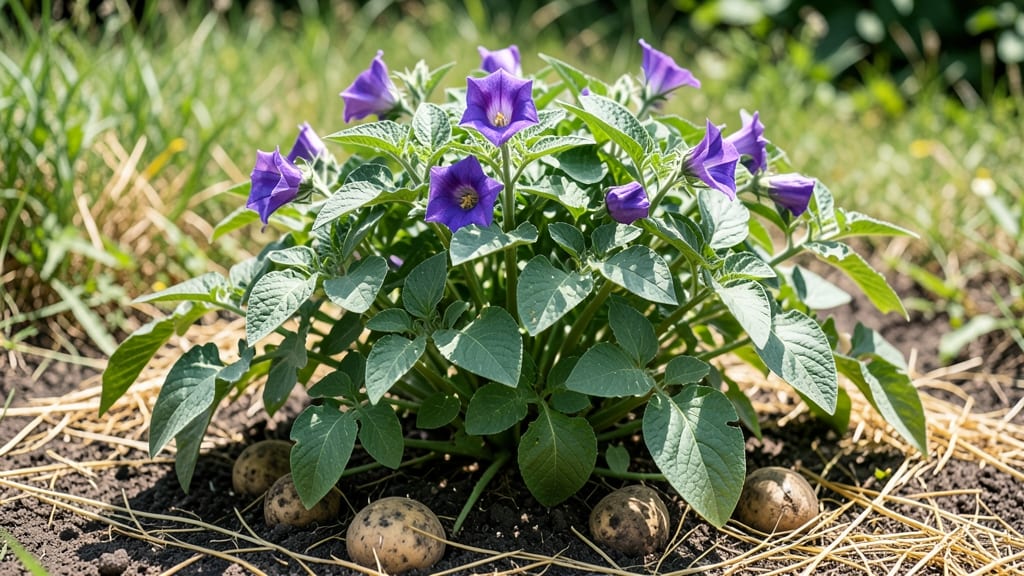
The purple potato vine plant turns every container into a dramatic statement piece that steals the show. 🌿 I’ve used it to transform ordinary terra-cotta pots into jewel-toned centerpieces, and the way it cascades over hanging baskets makes neighbors stop and stare—no exaggeration.
The secret to making it pop? Pair it with silver foliage (like dusty miller) or bright blooms (like geraniums) to create contrast.
Purple potato vine thrives in full sun, so place it where it gets at least 6 hours of light daily, and it’ll reward you with lush, velvety leaves all season long.
You’ll love how it softens edges while adding bold color—perfect for patios, balconies, or even window boxes. Just pinch back new growth in early summer to encourage bushier, fuller plants that spill beautifully over sides.
Works in any container—from small window boxes to large hanging baskets—making it the ultimate space-saver for small gardens or urban spaces.
📚 In This Guide
- What you need
- Instructions
- Tips and common mistakes
- Wrapping up and next steps
What you need
- ● Purple potato vine plant: 1 healthy nursery-grown plant (ensure it’s labeled Solanum jasminoides for vibrant purple foliage).
- ● Container or hanging basket: 1–2 containers (10–14" diameter for a single plant; larger for multiple vines). Use well-draining pots with drainage holes.
- ● Potting mix: 1 bag (1–2 cubic feet) of lightweight, well-draining mix (e.g., 60% peat moss or coconut coir, 30% perlite/pumice, 10% compost).
- ● Slow-release fertilizer: 1 packet (10–15 lb) of balanced granular fertilizer (10-10-10 or 20-20-20).
- ● Watering can or hose with gentle spray nozzle: 1 (for even moisture without over-saturating).
- ● Pruning shears: 1 pair (sterilized with rubbing alcohol).
- ○ Gloves (optional): 1 pair (to protect hands from mild foliage irritation).
- ○ Mulch (optional): 1 bag of orchid bark or shredded pine (to retain moisture and add aesthetic flair).
- ○ Trellis or support structure (optional): 1 lightweight lattice or wire frame (if training vines vertically).
- ○ Liquid fertilizer (optional): 1 bottle (e.g., fish emulsion or seaweed extract) for mid-season boosts.
Step-by-step guide to growing purple potato vine
Here’s how to cultivate this showstopper—vibrant, low-maintenance, and perfect for instant container drama.
🌱 Step 1: Select the Right Growing Conditions
Purple potato vine thrives in bright, indirect light—think east or west-facing windows or a well-lit patio. Direct sun can scorch its delicate leaves, so avoid south-facing spots unless filtered through sheer curtains. If growing indoors, place it within 3-5 feet of a grow light for consistent color vibrancy.
This plant loves warmth but won’t tolerate drafts. Keep temperatures between 65-80°F—cooler spots slow growth, while heat above 85°F can cause leaf drop. A sunny windowsill or greenhouse shelf is ideal. Watch for leaves losing their deep purple hue; that’s your signal to adjust light or temperature.
🪴 Step 2: Plant in Well-Draining Soil and Containers
Use a lightweight, airy potting mix with perlite or coconut coir to prevent soggy roots. Purple potato vine’s sprawling habit needs 12-18 inches of hanging space or a 12-inch-wide container for each plant. I recommend terracotta pots—they wick away excess moisture and keep roots cool.
Fill the container 2/3 full with soil, leaving room for roots to expand. Plant cuttings or seeds 1 inch deep (if starting from seed) and water gently until moisture reaches the bottom. Overcrowding leads to weak stems and pale foliage—space plants 6 inches apart if growing multiple in one container.
☀️ Step 3: Provide Support and Prune for Fullness
This vine grows aggressively, so install a trellis, wire basket, or decorative lattice as soon as you plant. The more support it has, the more dramatic the cascading effect. I like to weave the stems through a spiral trellis for a lush, layered look.
Pinch back the tips of new growth when stems reach 6-8 inches to encourage bushier foliage. Remove any leggy stems that stretch toward light—these won’t produce the rich purple color. Prune regularly to maintain shape, and you’ll see a denser, fuller plant within 4-6 weeks.
💧 Step 4: Water and Feed for Vibrant Growth
Water when the top inch of soil feels dry—purple potato vine hates soggy roots but won’t tolerate drought either. I water deeply once a week in summer, less in winter, and always check soil moisture before adding more. Yellowing leaves? You’re either overwatering or underwatering—adjust based on soil texture.
Feed with a balanced liquid fertilizer (10-10-10) every 4-6 weeks during spring and summer. The deep purple color fades without nutrients, so don’t skip this step. I also sprinkle a handful of compost around the base monthly for extra nutrients. Avoid heavy fertilizers—they burn delicate roots and dull the foliage’s vibrancy.
✂️ Step 5: Harvest and Propagate for Year-Round Color
Harvest stems by cutting back to just above a leaf node when growth slows in late summer. This encourages new flushes of purple foliage. You can also take 4-inch cuttings from healthy stems, dip them in rooting hormone, and plant in fresh soil. Most cuttings root within 2-3 weeks—perfect for sharing or expanding your collection.
Overwinter indoors by moving the plant to a bright, cool spot (55-65°F) and reducing water. Prune back by 1/3 before bringing it back outside in spring. With proper care, one plant can become a dozen in a season—just keep propagating!
Tips & tricks for growing stunning purple potato vine
Between us, this plant is a game-changer for instant container drama—but only if you nail these key details. I've learned the hard way that purple potato vine demands attention to light, soil, and pruning to maintain that rich color.
Lighting Secret: That bright, indirect light isn't just about avoiding scorching—it's about preserving the purple hue. If your leaves start losing their vibrancy, move the plant closer to the window or adjust your grow light. I've seen dramatic color loss when plants were placed too far from light sources, even with artificial lighting. The 3-5 feet range for grow lights is critical—closer than 3 feet can cause leaf burn, while farther than 5 feet dulls the color.
Soil and Container Strategy: The lightweight, airy mix with perlite isn't just about drainage—it's about preventing root rot that can turn your vibrant plant into a sad, yellowing mess. I swear by terracotta pots because they wick away moisture faster than plastic, which helps maintain those perfect growing conditions. And that 2/3 full soil fill? It's not just about leaving room—it's about creating an oxygen-rich environment that prevents those dreaded soggy roots.
Pruning for Color: Here's what nobody tells you—the purple potato vine's color fades when it gets leggy. That 6-8 inch pinch-back isn't arbitrary; it's about triggering bushier growth that maintains the rich pigment. I've had plants where I skipped this step, and within weeks, the purple turned to a sad, pale green. Prune regularly, and you'll see that dense, colorful growth within those 4-6 weeks the instructions mention.
Fertilizer Timing: The 4-6 week feeding schedule isn't just about nutrients—it's about preventing fertilizer burn that can destroy those delicate roots. I've ruined plants by being too eager with fertilizers, so I always stick to that schedule. And that compost sprinkle? It's my secret weapon for keeping the color vibrant between feedings. The key is balance—too little and you lose color, too much and you lose the plant entirely.
Pro Tips for Potato Vine Plant Purple
- Between us, this plant is a game-changer for instant container drama—but only if you nail these key details.
- Lighting Secret: That bright, indirect light isn't just about avoiding scorching—it's about preserving the purple hue.
- Soil and Container Strategy: The lightweight, airy mix with perlite isn't just about drainage—it's about preventing root rot that can turn your vibrant plant into a sad, yellowing mess.
Frequently asked questions
about growing Solanum jasminoides (purple potato vine) are common—especially for gardeners eager to add vibrant color to their spaces! Here are answers to the most pressing questions to help you thrive with this stunning plant.Is purple potato vine toxic to pets or humans?
The purple potato vine (Solanum jasminoides) contains solanine, a toxin found in nightshade plants. While it’s not highly toxic like deadly nightshade, it can cause mild stomach upset if ingested in large quantities. Keep it out of reach of curious pets and children. Symptoms may include drooling, vomiting, or lethargy—contact a vet if exposure occurs.
How do I keep my purple potato vine from getting leggy?
Leggy growth happens when your vine isn’t getting enough light. Place it in bright, indirect sunlight (4–6 hours daily) and pinch back overgrown stems to encourage bushier growth. Rotate the container occasionally for even exposure. Fertilize lightly with a balanced liquid fertilizer every 4–6 weeks during spring/summer to support compact foliage.
Can purple potato vine survive winter outdoors?
This tropical vine is not cold-hardy—it thrives in USDA zones 9–11. In colder climates, bring potted plants indoors before temperatures drop below 40°F (4°C). Place it near a sunny window or under grow lights. If outdoors year-round, use heated containers or mulch heavily, but expect leaf drop in frost.
Why aren’t my purple potato vine leaves turning purple?
Purple foliage fades to green when the plant gets too much direct sun or low light. Aim for bright, filtered light (e.g., east-facing windows or dappled shade). Nitrogen-rich fertilizer can also dull colors—switch to a low-nitrogen, high-phosphorus feed (like 5-10-10) to boost purple hues. Check soil moisture too; overwatering can wash out pigments.
What’s a good alternative if I want fast-growing, purple foliage?
If purple potato vine proves tricky, try these low-maintenance alternatives with bold purple leaves:
- Sweet potato vine (Ipomoea batatas): Hardier, non-toxic, and thrives in partial shade.
- Coleus (Plectranthus scutellarioides): Offers a rainbow of colors (including deep purples) and is pet-safe.
- Heavenly bamboo (Nandina domestica): Purple-tinged foliage with winter interest (but slower-growing).
Wrapping up and next steps
Bringing a potato vine plant purple into your space is like adding a splash of artistic flair to your garden or patio! 🌿 Its vibrant foliage and easy-care nature make it a standout choice for containers and hanging baskets, perfect for both beginners and seasoned plant lovers.
Whether you're aiming for a cascading waterfall of purple or a bold vertical accent, this plant delivers drama with minimal effort.
Now that you’re equipped with the how-to and answers to common questions, it’s time to get growing! Start by selecting your favorite purple variety and let your creativity run wild—mix textures, colors, or pair it with complementary plants for a show-stopping display. Happy planting! 🌸