
Planting
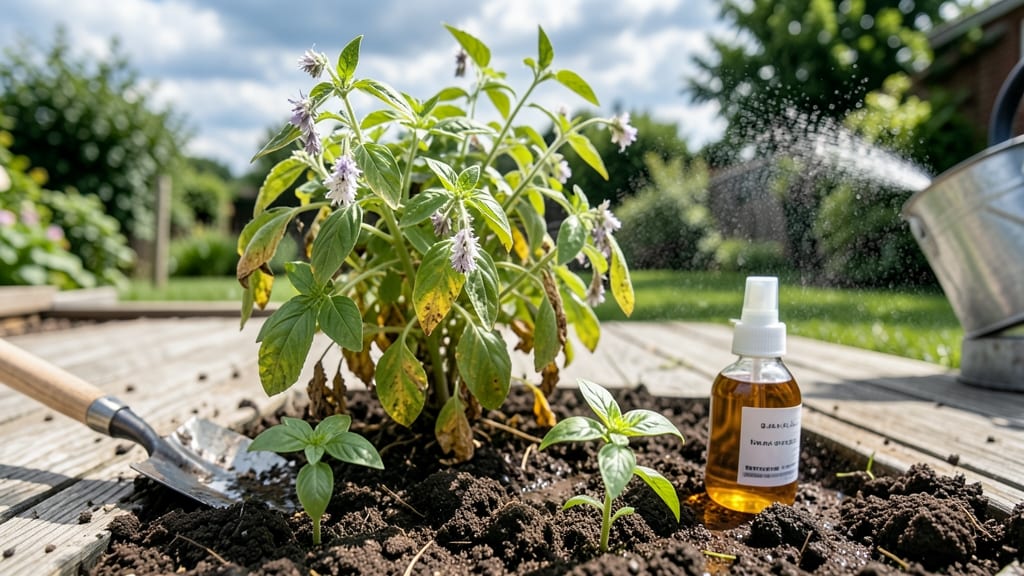
Basil wilting after transplant isn’t just a setback—it’s a solvable problem with the right approach. 🌱 I’ve nursed back more drooping basil plants than I can count, and the key lies in understanding why it happens (spoiler: it’s almost never what you think).
The good news? With a few targeted fixes, you can revive plants that look like they’re throwing in the towel.
Most wilting stems from transplant shock—not just the physical stress of moving roots but also sudden changes in light, water, or temperature. Overwatering, compacted soil, or even root damage during transplant can leave plants gasping for air.
The fix isn’t one-size-fits-all: some need shade, others a deep drink, and a few just need time to recover. I’ll walk you through how to diagnose the issue in under 5 minutes.
By the end, you’ll know exactly how to stabilize your basil—whether it’s floppy from shock or struggling with environmental stress. The best part? These fixes work for other tender herbs too. No more losing plants to the transplant blues. Let’s get your basil back to its perky, productive self.
We’ll also cover when to replant vs. salvage, so you don’t waste time on a lost cause. Trust me, your future basil harvests will thank you.
Root of the Problem
Transplanting basil is like moving a picky eater to a new restaurant—they might sulk (or wilt) if the conditions aren’t just right. Understanding the why behind wilting after transplanting helps you fix it fast.
Below, we break down the science and real-world triggers, so you can diagnose and act before your basil throws in the towel.
When you uproot basil, even gently, its roots suffer microscopic damage. Think of it like a paper cut on a delicate nerve—it’s not life-threatening, but the plant reacts by closing stomata (tiny pores on leaves) to conserve water. Without enough water or energy to recover, leaves droop and wilt.
- Why it happens: Root disruption triggers ethylene gas production, a stress hormone that accelerates wilting. The plant prioritizes survival over growth, so photosynthesis slows down.
- Actionable fix:
- Water before transplanting to plump roots (like giving them a hydration boost).
- Use a root stimulator (like seaweed extract) post-transplant to speed recovery.
Basil thrives in warmth (70–85°F) and bright, indirect light. If your transplant spot is too hot, cold, or shady, the plant goes into shock.
For example, moving basil from a greenhouse (humid, stable) to a scorching outdoor afternoon sun can cause rapid water loss through transpiration—like a plant-sized heatstroke.
- Why it happens:
- Cold shock: Temperatures below 50°F disrupt root function, halting nutrient uptake.
- Light shock: Too much direct sun after transplant burns leaves, while too little weakens the plant.
- Actionable fix:
- Acclimate basil to outdoor conditions gradually (harden off) over 5–7 days.
- Choose a morning-sun spot or use shade cloth for the first week.
Basil’s roots are sensitive to moisture extremes. Overwatering suffocates roots by cutting off oxygen, while underwatering causes cells to plasmolyze (shrink from dehydration). Both scenarios lead to wilting within hours.
| Issue | Signs | Fix |
|---|---|---|
| Overwatering | Yellowing leaves, mushy stems, wilting that doesn’t recover when watered. | Let soil dry 2 inches deep between waterings; improve drainage with perlite. |
| Underwatering | Crispy leaf edges, wilting that worsens in heat, soil pulling away from pot edges. | Water deeply until it drains from the bottom; mulch to retain moisture. |
Basil needs well-draining, fertile soil with a pH of 6.0–7.0. If your new planting spot has compacted soil, lacks organic matter, or is too alkaline, roots can’t absorb water or nutrients efficiently.
- Why it happens:
- Compacted soil: Roots can’t spread, leading to anoxia (oxygen starvation).
- Nutrient deficiency: Lack of nitrogen or phosphorus weakens cell structure, causing wilting.
- Actionable fix:
- Amend soil with compost or coconut coir before transplanting.
- Test soil pH and adjust with lime (to raise) or sulfur (to lower) if needed.
Stressed basil is a magnet for pests like aphids or spider mites, which sap sap and spread disease. Fungal infections (e.g., Fusarium wilt) can also invade damaged roots, clogging xylem vessels and cutting off water flow.
- Why it happens:
- Pests excrete honeydew, which attracts sooty mold, further stressing the plant.
- Fungal spores thrive in wet, warm conditions post-transplant.
- Actionable fix:
- Inspect leaves for pests; blast off with water or use neem oil.
- Apply copper fungicide if soil was contaminated from previous plants.
Revive Your Basil: Step-by-Step Fixes
Now that you understand why your basil might be wilting after transplanting, let’s roll up our sleeves and get it back to thriving! The good news? Most wilting issues are reversible with the right care.
Below, we’ve mapped out practical solutions for each common cause, along with prevention tips to keep your basil perky for seasons to come.
If your basil is wilting due to transplant shock, it needs time, patience, and minimal stress. Follow these steps to nurse it back to health:
🌱 Step 1: Trim the Damage (But Not Too Much!)
- Use clean, sharp scissors to snip off any yellow or mushy leaves—these are past saving and can drain energy.
- Don’t over-prune! Remove only 10-20% of the plant to avoid shocking it further.
- Pro Tip: 💡 If the stems feel soft or hollow when squeezed, the plant is severely stressed—focus on recovery first.
🌿 Step 2: Create a Humidity Haven
Transplanted basil hates dry air. Increase humidity to help it recover:
- Mist the leaves 2-3 times daily with room-temperature water (avoid soaking the soil).
- Place a tray of water near the plant (but not touching the pot) to add moisture to the air.
- Cover with a plastic bag (temporarily!) for 24-48 hours to trap humidity—remove once new growth appears.
☀️ Step 3: Adjust Light Conditions
- Move to indirect light for 3-5 days—direct sun can stress a recovering plant.
- If indoors, place near a bright, east-facing window (morning sun is gentler).
- Pro Tip: 🌡️ If your home is too hot or dry, a pebble tray with water under the pot can help regulate temperature.
💧 Step 4: Water Wisely (But Wait!)
- Wait 2-3 days before watering again—overwatering a stressed plant can drown its roots.
- Once you water, soak the soil thoroughly but avoid soggy conditions.
Stick your finger 1 inch deep—if it’s dry, water; if damp, wait. - Pro Tip: ⏰ Morning watering is best—it gives leaves time to dry before evening, reducing fungal risks.
🌱 Step 5: Fertilize Lightly (If Needed)
- Wait 1-2 weeks before fertilizing—stressed plants can’t handle nutrients yet.
- If you must feed, use a diluted, balanced liquid fertilizer (like 10-10-10 at half strength).
- Pro Tip: 🥗 Compost tea is a gentler, organic option for recovery.
If wilting is due to root damage, overwatering, or poor drainage, act fast to prevent permanent harm.
🌊 Step 1: Check the Roots (Without Panicking)
- Gently remove the plant from its pot and inspect the roots:
- Healthy roots = white or light tan, firm.
- Rotten roots = mushy, black, or smell foul.
- Dry/dead roots = brown and crispy.
- Pro Tip: 🔪 If more than 30% of roots are rotten, you’ll need to prune aggressively—cut healthy roots back by 1/3 to encourage regrowth.
🏗️ Step 2: Repot with Fresh Soil (If Needed)
- If roots are severely damaged or the soil is waterlogged, repot immediately: 1. Rinse roots gently in lukewarm water to remove old soil. 2. Trim dead roots with sterilized scissors.
- Use a well-draining mix (50% potting soil + 50% perlite or coco coir).
- Plant at the same depth—burying the stem too deep can cause rot. - Pro Tip: ✨ Add a handful of sand or vermiculite to improve drainage if your soil compacts easily.
💧 Step 3: Adjust Watering Forever
- Water only when the top 1-2 inches of soil are dry—no more "keep it soggy" habits!
- Use a pot with drainage holes—no exceptions.
- Pro Tip: 🎯 Self-watering pots can help, but never let basil sit in standing water.
🌿 Step 4: Boost Recovery with Pruning
- After repotting, trim back 1/3 of the plant to reduce stress and encourage bushier growth.
- Focus on removing wilted leaves and leggy stems—this redirects energy to root recovery.
If heat, cold, or wind are the culprits, adjust the environment to protect your basil.
🌡️ Step 1: Shield from Extreme Conditions
- Too hot? Move to partial shade (especially if temps exceed 90°F/32°C).
- Too cold? Keep indoors or cover with frost cloth if nights dip below 50°F/10°C.
- Too windy? Use a small windbreak (like a cardboard barrier) or move to a sheltered spot.
💨 Step 2: Improve Airflow (But Not Too Much!)
- Space plants 12-18 inches apart to allow air circulation.
- Avoid crowded containers—basil needs room to breathe.
- Pro Tip: 🌬️ A small fan on low (out of direct spray) can help prevent fungal issues.
🍃 Step 3: Mulch to Regulate Soil Temp
- Apply a 1-inch layer of mulch (straw, shredded leaves, or pine needles) around the base to:
- Keep roots cool in summer.
- Retain heat in spring/fall.
- Pro Tip: 🔥 Avoid organic mulch if your basil is recovering from rot—it can hold too much moisture.
Once your basil is back in shape, lock in success with these long-term strategies:
- 🌱 Choose the Right Time to Transplant
- Best weather: Morning on a cloudy day or evening (avoid midday heat).
- Avoid transplanting if temps are below 50°F/10°C or above 90°F/32°C.
- 🏺 Use the Perfect Pot & Soil
- Pot size: At least 6 inches deep (bigger for multiple plants).
- Soil mix: 60% potting soil + 30% perlite + 10% compost for ideal drainage.
- Pro Tip: 📊 Test your soil’s pH—basil thrives in 6.0-7.0; amend with lime if too acidic.
- 💧 Master the Watering Schedule
- Water deeply but infrequently—let the top 1-2 inches dry out between waterings.
- Avoid wetting leaves when watering to prevent fungal diseases.
- 🌿 Prune Regularly for Bushier Growth
- Pinch back tips when the plant is 6 inches tall to encourage branching.
- Harvest leaves frequently—this stimulates new growth and prevents legginess.
- 🛡️ Protect from Pests Early
- Inspect leaves weekly for aphids, spider mites, or whiteflies.
- Spray with neem oil (1 tsp per quart of water) at the first sign of pests.
Before you call it a day, run through this quick recovery checklist: ✅ Trim damaged leaves (but not too much). ✅ Increase humidity (mist or tray of water). ✅ Adjust light (indirect for 3-5 days). ✅ Wait 2-3 days before watering again. ✅ Check roots—repot if rotten. ✅ Adjust environment (shade, windbreaks, etc.). ✅ Fertilize lightly (
Frequently asked questions about basil wilting after transplant
Why does my basil wilt immediately after transplanting?
This is classic transplant shock, caused by root disturbance and stress hormones like ethylene. The plant conserves water by closing leaf pores, leading to wilting. Water the soil before transplanting to plump roots, and avoid direct sun for 3-5 days to help recovery.
How long should I wait before watering wilted basil after transplant?
Wait 2-3 days before watering again—overwatering stressed roots accelerates rot. Instead, increase humidity by misting leaves 2-3 times daily or placing a tray of water nearby. Only water when the top 1 inch of soil feels dry.
Can I save basil with mushy stems and black roots?
If more than 30% of roots are rotten, prune aggressively and repot in fresh, well-draining soil (50% potting mix + 50% perlite). Use a pot with drainage holes and avoid watering for 5 days to prevent further rot. If stems are hollow, the plant may not recover.
Is it better to transplant basil in the morning or evening?
Transplant in the morning on a cloudy day or evening to avoid midday heat stress. Keep basil out of direct sun for 3-5 days post-transplant, and provide shade if temperatures exceed 90°F/32°C. Gradual acclimation prevents shock.
When should I fertilize basil after transplanting?
Wait 1-2 weeks before fertilizing—stressed plants can’t process nutrients. Use a diluted liquid fertilizer (half-strength 10-10-10) or compost tea. Avoid granular fertilizers, which can burn roots during recovery.