
Planting
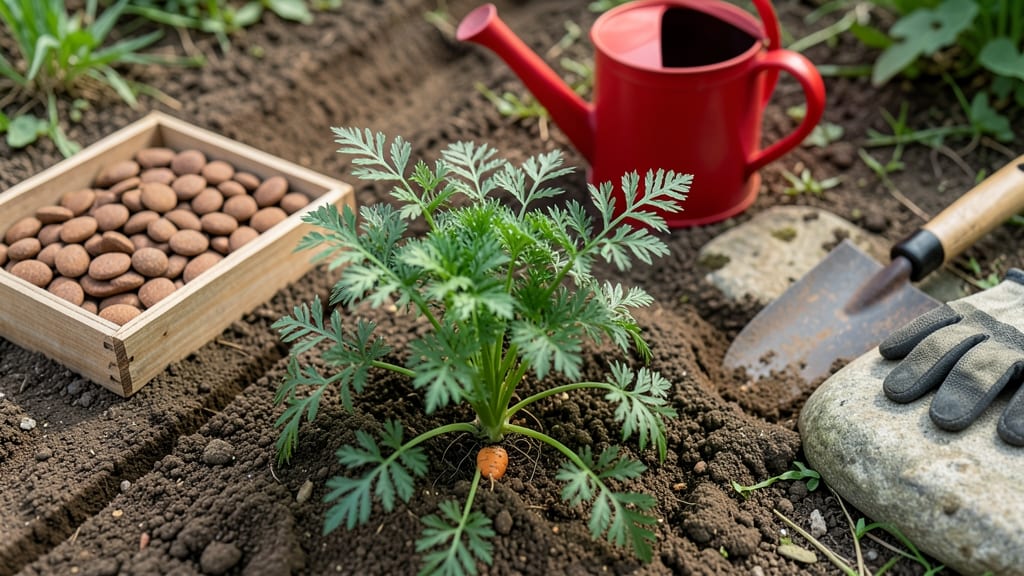
Planting carrot seeds at the best time for your climate zone is the fastest way to guarantee crisp, straight roots instead of leggy, forked failures.
Struggling with slow or spotty germination? Timing your planting based on soil temperature can boost success rates by up to 70%—here’s exactly when and how to plant for the fastest, healthiest harvest.
In Zone 6a and similar temperate regions, your window opens in early spring (March–May) and late summer (August–September) when soil warms to 45°F–85°F. Too cold? Seeds sit. Too hot? They bolt. We’ll break down the exact triggers and how to adjust for your location.
You’ll learn how to test soil temperature, avoid common mistakes, and even salvage a late planting with row covers—plus three pro tips to cut germination time in half.

Optimal soil temperature ranges for planting carrot seeds by region
Carrot seeds thrive when planted in soil temperatures between 45°F and 85°F, but the ideal range for fastest germination is 60°F–75°F. Cold soil slows growth, while overheated soil can cause seeds to dry out or rot.
Understanding your USDA zone and seasonal shifts helps you time plantings for consistent success—whether you're in frost-prone Zone 3 or warm Zone 10.
In cooler climates (Zones 1–5), focus on early spring (March–April) and late summer (August–September) plantings. Warmer regions (Zones 6–10) can extend planting from February to October, but avoid extreme heat.
Below, we break down the best windows by region, including adjustments for fall crops and successive plantings.
Pro Tip: Use a soil thermometer ($10–$15) to check temperatures 2–3 inches deep—this is where seeds actually germinate. Morning readings (after sunrise) are most accurate.
In Zones 1–5, early spring plantings should wait until soil warms to at least 50°F—cold soil (below 45°F) can delay germination by 2–3 weeks. For example, in Zone 4, aim for April 15–May 1 when daytime highs hit 60°F.
In Zones 6–10, you can start as early as February, but monitor soil temps closely.
Fall plantings work best when soil stays above 55°F for 6+ weeks after sowing. In Zone 7, this means planting by September 1 to harvest before frost. For Zones 8–10, extend fall plantings to October–November, choosing winter-hardy varieties like 'Danvers Half Long' or 'Purple Haze'.
Regional exceptions matter: In Pacific Northwest (Zone 7–8), coastal areas stay cooler longer, so plant 1–2 weeks later than inland zones. Conversely, Southwest deserts (Zone 9–10) may need shade cloth to prevent soil from exceeding 85°F, which stunts germination.
For container gardening, soil warms faster—plant 1–2
How to test soil temperature and adjust planting for faster germination
Carrot seeds need consistent soil temperatures between 60°F–75°F to germinate reliably. If your soil is too cold, seeds may rot instead of sprouting. Testing soil temperature is the key to unlocking faster germination and healthier seedlings. I’ve found that even a 10°F difference can delay sprouting by 2–3 weeks!
Start by checking your soil’s readiness with a simple soil thermometer. These inexpensive tools (around $10) measure temperature at the depth where seeds will be planted—typically 1 inch deep.
For carrot seeds, aim to plant when soil reaches at least 50°F, but wait until 60°F+ for optimal results. Early spring or fall plantings often need extra warmth to succeed.
Gather Your Tools
You’ll need a soil thermometer, a small trowel, and a notebook to record readings. Place the thermometer in the soil where you plan to plant, ensuring the sensor is 1 inch deep—this mimics seed depth.
Take Readings at Key Times
Check soil temperature early morning (6–8 AM) and late afternoon (3–5 PM) for 2–3 days. Carrot seeds prefer 60°F–75°F for germination. If readings are below 50°F, delay planting or use warmth-boosting methods.
Adjust for Cold Soil
If soil is too cold (below 50°F), try these fixes:
- Row covers: Use lightweight fabric to trap heat (adds 5–10°F).
- Black plastic mulch: Warms soil by 10–15°F in sunny conditions.
- Seed starter trays: Germinate seeds indoors under grow lights until soil warms.
Plant When Ready
Once soil hits 60°F+, sow seeds ¼ inch deep in loose, rock-free soil. Water gently to avoid displacing seeds, then keep soil consistently moist (not soggy) until germination, which typically takes 14–21 days.
Monitor and Troubleshoot
If seeds don’t sprout within 3 weeks, check for:
- Rot (black, mushy seeds): Soil too wet or cold.
- No sprouts: Seeds may be old (use fresh seeds within 1 year).
- Slow growth: Thin seedlings to 2–3 inches apart for better root development.
Pro tip: In USDA zones 1–5, use a cold frame or greenhouse to extend the growing season. I’ve seen carrot seeds germinate in 45°F soil with these setups! Always plant in well-draining soil to prevent rot, and avoid compacted areas that can cause forked roots.
Remember, soil temperature fluctuates daily, so don’t rush planting just because the air feels warm. Trust your thermometer—it’s the most accurate way to ensure your carrot seeds get the perfect start. With the right timing, you’ll enjoy straight, sweet carrots in as little as 60 days!