
Planting
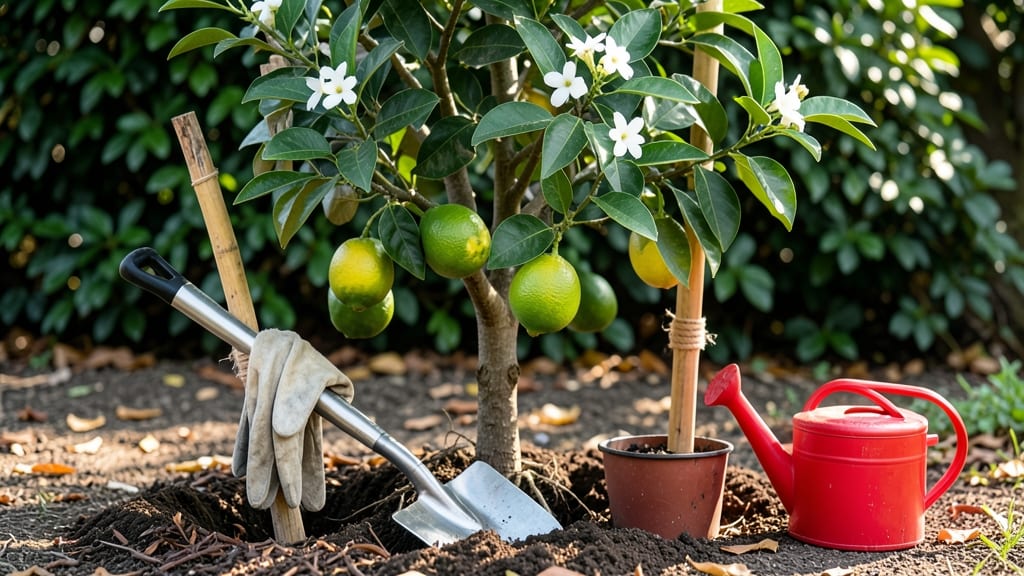
Planting a lemon tree the right way means juicy harvests instead of sad, stunted branches—trust me, I’ve seen both. 🌱 The best way to plant a lemon tree starts with a spot that mimics its Mediterranean roots: full sun, well-draining soil, and protection from winter’s worst.
Whether you’re burying roots in the ground or tucking it into a pot, these steps will set your tree up for success, even if you’ve never grown citrus before.
First, pick a location where your tree gets at least 6-8 hours of sunlight daily—lemon trees are sun-worshippers. If you’re planting in the ground, dig a hole twice as wide as the root ball but no deeper; citrus hates soggy feet.
For containers, choose a pot with drainage holes and at least 15 gallons of space—smaller pots mean smaller trees (and smaller lemons). Amend the soil with compost or citrus-specific mix to give your tree a nutrient boost from day one.
Once planted, water deeply but avoid drowning the roots—citrus trees prefer their soil slightly dry between waterings. Mulch around the base to lock in moisture and keep roots cool, but keep it a few inches away from the trunk.
Within weeks, you’ll see new growth signaling your tree has settled in. The key? Patience—it takes 2-3 years for a young tree to bear fruit, but the wait is worth it for that first tart-sweet lemon.
Here’s the secret no one tells you: lemon trees hate cold drafts. If you live in a frost-prone zone, wait until spring to plant, or grow your tree in a pot you can roll indoors when temperatures dip below 30°F.
With the right spot and care, your tree could live for decades—producing lemons long after you’ve mastered the art of planting citrus.
📚 In This Guide
- What you need
- Instructions
- Tips and common mistakes
- Wrapping up and next steps
What you need
- ● Lemon Tree: Seedling (3–6 months old) or bare-root sapling (from a nursery)
- ● OR A mature lemon tree (for transplanting, ensure it’s dormant in winter)
- ● Pot or Garden Space: 5–7 gallon container (for potted trees) with drainage holes
- ● OR Well-draining soil in a sunny garden spot (6+ hours of sunlight daily)
- ● Soil Mix: Well-draining citrus potting mix (or a blend of 60% potting soil + 30% perlite + 10% sand)
- ● Fertilizer: Citrus-specific fertilizer (10-10-10 or 8-3-9 NPK ratio) OR organic options like fish emulsion or compost
- ● Tools: Trowel or small shovel
- ● Gloves (to protect your hands)
- ● Watering can or hose with a gentle spray nozzle
- ● Pruning shears (for trimming later)
- ● Mulch (straw or wood chips to retain moisture)
- ● Epsom salt (for magnesium boost, 1 tbsp/month in water)
- ● Pest control: Neem oil or insecticidal soap (preventative measure)
- ● Support stake (for young trees in windy areas)
- ● pH test kit (ideal soil pH: 6.0–7.0 for lemons)
Step-by-step instructions for planting a lemon tree
Here’s the foolproof method I’ve used to grow healthy lemon trees that bear fruit year after year.
🌱 Step 1: Choose the Right Lemon Tree Variety and Location
For best results, select a dwarf or Meyer lemon tree—these adapt better to containers and smaller spaces. True dwarf varieties stay under 6 feet tall, making them perfect for patios or small yards. If planting outdoors, pick a spot with full sun (6-8 hours daily) and protection from strong winds.
I always check the microclimate before planting. Lemon trees thrive in USDA zones 9-11, but you can grow them in cooler zones by moving them indoors during winter. If your winters dip below 25°F, opt for container growing so you can bring the tree inside when temperatures drop.
☀️ Step 2: Prepare the Soil and Planting Site
Lemon trees need well-draining, slightly acidic soil (pH 6.0-7.0). If planting in the ground, mix 2-3 inches of compost into the top 12 inches of soil to improve drainage and fertility. Avoid heavy clay soil—it causes root rot. For containers, use a cactus/succulent mix blended with 30% perlite to prevent soggy roots.
Dig a hole twice as wide as the tree’s root ball but only as deep as the container it came in. This encourages roots to spread outward instead of settling too deep. If planting multiple trees, space them 10-15 feet apart to allow for proper air circulation and growth.
🪴 Step 3: Plant the Lemon Tree Correctly
Gently remove the tree from its container and loosen any circling roots with your fingers—this prevents girdling as the tree matures. Place the tree in the hole so the top of the root ball sits level with the soil surface. Lemon trees hate having their trunks buried too deep, which can cause rot.
Backfill the hole with native soil, pressing lightly to remove air pockets but not compacting too firmly. Water deeply right after planting to settle the soil around the roots. If planting in a container, choose a pot at least 12 inches wide and deep—smaller pots restrict root growth and reduce fruit production.
💧 Step 4: Water and Mulch for Healthy Growth
Water the tree deeply once a week during the first 3 months to help roots establish, then taper to every 10-14 days once established. Lemon trees are drought-tolerant once mature, but young trees need consistent moisture. You’ll know it’s time to water when the top 2 inches of soil feel dry.
Apply a 2-inch layer of mulch (like wood chips or straw) around the base, keeping it 3 inches away from the trunk to prevent rot. Mulch helps retain moisture and regulates soil temperature. Avoid over-mulching—too much can suffocate roots and attract pests.
✂️ Step 5: Provide Ongoing Care for Fruit Production
Fertilize your lemon tree every 2 months during growing season (spring through fall) with a citrus-specific fertilizer or a balanced 10-10-10 mix. Follow package instructions—over-fertilizing burns roots. In winter, reduce fertilization to once every 2 months or stop entirely if the tree is dormant.
Prune lightly in late winter or early spring to remove dead or crossing branches. I never prune more than 20% of the tree at once—this keeps it healthy and encourages fruit production. Watch for signs of pests like aphids or scale insects; treat early with neem oil to avoid damaging the tree.
Tips & tricks for perfect lemon tree planting
Took me years of trial and error to learn these lemon tree secrets—here's how to avoid my mistakes and get the best possible start for your citrus.
Sunlight Strategy: That 6-8 hours of daily sun is non-negotiable, but here's the thing: morning sun is more important than afternoon. Position your tree to catch those first rays—it helps prevent sunburn on tender leaves. I've seen trees in full afternoon sun develop brown patches even with perfect watering. If you're in a hot climate, provide afternoon shade during the first few weeks to help it acclimate.
Root Ball Rescue: When you remove your lemon tree from its container, you'll often find circling roots. These are a big problem because they can strangle the tree as it grows. Use your fingers to gently separate them—this is called "root pruning" and it encourages outward growth. I've had trees with circling roots struggle for years before finally figuring this out. Don't skip this step, even if the roots look perfectly fine.
Soil Science: The pH 6.0-7.0 range is crucial, but here's what nobody tells you: test your soil before planting. Many garden centers sell inexpensive test kits. If your soil is too alkaline (above 7.0), you'll need to add sulfur or peat moss to lower the pH. I've seen lemon trees in alkaline soil develop yellow leaves and poor growth—it's heartbreaking to watch when you could have prevented it with a simple test.
Winter Prep: If you're in those cooler zones below 25°F, here's my winter survival tip: move your container-grown lemon tree indoors before temperatures drop. Place it near a south-facing window where it gets plenty of light. I've kept mine alive through winters as cold as 15°F by bringing it inside—just don't let it get below 40°F or it'll suffer. You can also wrap the pot in bubble wrap for extra insulation if moving it indoors isn't an option.
Pro Tips for Best Way To Plant A Lemon Tree
- Took me years of trial and error to learn these lemon tree secrets—here's how to avoid my mistakes and get the best possible start for your citrus.
- Sunlight Strategy: That 6-8 hours of daily sun is non-negotiable, but here's the thing: morning sun is more important than afternoon.
- Root Ball Rescue: When you remove your lemon tree from its container, you'll often find circling roots.
Frequently asked questions
Got questions about planting your lemon tree? You’re not alone!
Here are answers to the most common concerns—from timing to troubleshooting—so you can grow a thriving citrus tree with confidence.
When is the best time to plant a lemon tree?
The ideal time is early spring (after the last frost) or fall (before the first frost). Avoid extreme heat or cold—your tree will establish roots better in mild weather. If you’re in a warm climate, late winter works too!
Can I plant a lemon tree in a pot instead of the ground?
Potted lemon trees thrive in containers 5+ gallons with drainage holes. Use well-draining soil and place them in full sun. Just repot every 2–3 years and fertilize regularly. Dwarf varieties are perfect for pots!
Why isn’t my lemon tree growing? Troubleshooting tips.
Check these common issues:
- Yellow leaves: Overwatering or poor drainage. Let soil dry slightly between waterings.
- No fruit: Needs more sun (6+ hours daily) or may be too young (3–5 years for first lemons).
- Dropping leaves: Sudden temperature drops or underwatering. Keep it consistent!
Do lemon trees need a special type of soil?
Yes! Use well-draining, slightly acidic soil (pH 6.0–7.0). Mix in compost or citrus-specific potting soil. Avoid heavy clay—it causes root rot. If planting in ground, amend soil with sand or perlite for better aeration.
How long until my lemon tree bears fruit?
Patience is key! Dwarf varieties may produce lemons in 2–3 years, while standard trees take 5–10 years. Ensure full sun, proper watering, and fertilizing (citrus-specific or balanced 6-6-6) to speed things up.
Wrapping up and next steps
Planting a lemon tree is a rewarding journey that blends patience with the joy of nurturing life.
By choosing the right variety, preparing your soil, and providing consistent care, you’re setting the stage for a thriving citrus tree that could yield delicious fruit for years to come. Don’t let small setbacks discourage you—every gardener faces challenges, but persistence pays off! 🌱
Now that you’re armed with the best practices, take the next step: mark your calendar for planting season (or start indoors if you’re in a cooler climate) and gather your supplies.
Whether you’re a beginner or a seasoned green thumb, your lemon tree’s future is bright—so get digging and enjoy the process! 🍋✨