
Planting
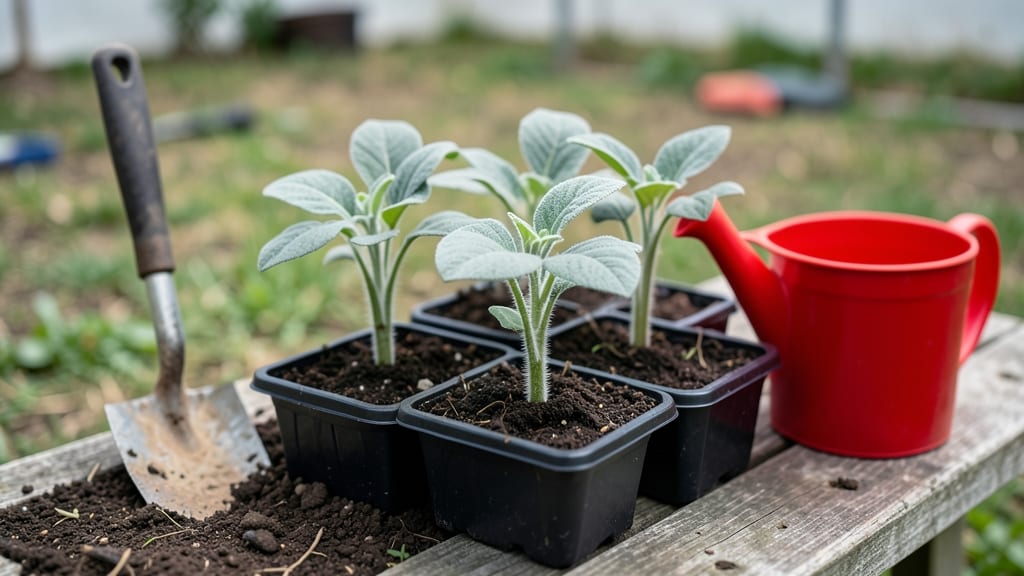
Growing brinjal saplings into heat-tolerant plants in just 60 days feels like a gardening superpower. 🌱 I’ve turned my backyard into a brinjal powerhouse by mastering the early stages—soil prep, spacing, and watering—where most beginners lose their plants to wilting or pests.
The key isn’t just patience; it’s understanding what these sensitive young plants really need to thrive under the sun.
Start with well-draining soil mixed with compost (think 60% soil, 30% compost, 10% sand) to prevent root rot, and space saplings 18-24 inches apart—crowding stresses them out. Water deeply twice a week (morning is best) and keep an eye out for aphids or whiteflies, which love young leaves.
A light spray of neem oil does the trick without harming your plants.
By day 30, you’ll see bold green leaves and the first flower buds forming—proof you’re on the right track. The real magic happens in weeks 4-6 when plants start setting fruit, especially if you prune suckers (those little side shoots) to focus energy on growth.
Heat waves? No problem—brinjals handle 90°F+ better than tomatoes if you keep soil moist.
This method works for container gardens (use 5-gallon pots) or in-ground beds, and even experienced growers tweak their approach after seeing how fast brinjals respond to care.
The payoff? Heirloom varieties like Black Beauty or Ichiban that dwarf store-bought eggplants—and taste like nothing you’ve ever tried. Let’s get those saplings growing strong!
📚 In This Guide
- What you need
- Instructions
- Tips and common mistakes
- Wrapping up and next steps
What you need
- ● Brinjal seeds: 10-20 seeds (choose heat-resistant varieties like Pusa Purple Cluster or Arka Shyama).
- ● Seedling trays or small pots: 2-3 inch (5-7 cm) diameter, 10-15 units (biodegradable peat pots are a great option!).
- ● Seedling mix: 1 part coco peat + 1 part vermiculite or perlite (sterilized, well-draining).
- ● Grow lights or sunlight access: 6-8 hours of direct sunlight daily (or LED grow lights for indoor setups).
- ● Watering can or spray bottle: With a fine nozzle for gentle hydration.
- ● Fertilizer: Starter: 1 tbsp diluted fish emulsion or seaweed extract (per tray).
- ● Growth: Balanced 10-10-10 NPK fertilizer (1 tsp per gallon of water, every 2 weeks).
- ● Humidity dome: To retain moisture during germination.
- ● pH test kit: Ideal soil pH for brinjals: 6.0–6.8.
- ● Pest control: Neem oil (1 tsp per liter of water) for early prevention.
- ● Transplanting tools: Small shovel or hands for delicate sapling transfer.
- ● Heat mat: For cooler climates (maintains 75–85°F (24–29°C) soil temp).
Step-by-Step guide to growing heat-tolerant brinjal saplings
Here’s how I grow sturdy brinjal seedlings that thrive in heat—ready for transplant in just 60 days.
🌱 Step 1: Prepare Containers and Seed Starting Mix
Use 4-inch diameter pots for each sapling—brinjals need room to develop strong roots before transplanting. Fill them with a lightweight seed-starting mix (never garden soil) and moisten it until it’s damp but not soggy. I like to add a 1-inch layer of perlite at the bottom of each pot to improve drainage, which prevents waterlogged roots that brinjals hate.
Press the mix down gently so it’s firm but still loose enough for roots to penetrate. The goal is a texture that holds moisture but doesn’t compact. Tap the pot on the table once to settle everything evenly. This step ensures your seedlings won’t suffocate or rot later.
🌱 Step 2: Sow Seeds at the Right Depth and Temperature
Plant 2-3 seeds per pot at a depth of ½ inch—too deep and they’ll struggle to break through. Cover them lightly with more mix and mist the surface with water until evenly damp. Brinjal seeds germinate best in 75-85°F soil, so I place the pots on a seedling heat mat to speed up germination.
Keep the pots covered with a clear plastic dome or wrap to retain humidity. Check daily but avoid watering again until you see sprouts—overwatering now causes damping-off, which kills seedlings overnight. Germination takes 7-14 days, depending on your climate. Watch for the first true leaves (not the initial seed leaves) to appear before thinning.
☀️ Step 3: Provide Controlled Light and Airflow
Once sprouts emerge, remove the dome immediately to prevent fungal growth. Place the pots under grow lights for 14-16 hours daily, keeping them 2-3 inches away from the bulbs. Brinjals need strong light to avoid leggy growth—if stems stretch toward the light, lower the lights or move the pots closer.
After 2 weeks, when seedlings show their second set of true leaves, begin hardening them off. Start by placing them outside in partial shade for 1 hour daily, gradually increasing time and sun exposure over 7-10 days. This toughens the plants so they handle heat stress better after transplanting.
✂️ Step 4: Thin and Fertilize for Strong Growth
When seedlings are 3-4 inches tall, thin to the strongest one per pot by snipping the others at the base with clean scissors. This reduces competition and directs energy into a single, robust plant. After thinning, add a balanced liquid fertilizer (10-10-10) diluted to half-strength to encourage leafy growth without burning tender roots.
Continue fertilizing every 2 weeks until transplanting. Watch for deep green leaves and thick stems—these are signs your saplings are ready. If leaves yellow, reduce watering slightly; brinjals prefer slightly dry soil over soggy conditions.
🪴 Step 5: Transplant Heat-Hardened Saplings
Transplant when saplings are 4-6 weeks old and have 5-6 true leaves. Choose a spot with full sun (6+ hours daily) and well-draining soil. Dig holes slightly larger than the root ball and space plants 18-24 inches apart to allow airflow and reduce disease risk.
Water deeply at transplanting to settle the soil, then let it dry slightly before watering again. Mulch with straw or grass clippings to retain moisture and keep roots cool. Your heat-tolerant saplings will now focus on flowering and fruiting—just keep an eye out for pests like aphids and treat early if needed.
Tips & tricks for growing heat-resistant brinjal saplings
A few strategic adjustments can transform your brinjal seedlings from fragile starts to heat-hardy powerhouses. Here's what I've learned after growing dozens of batches in hot climates.
Soil Moisture Balance: After planting your seeds in Step 1, keep the seed-starting mix consistently moist but never soggy—think of a wrung-out sponge. Overwatering at this stage causes damping-off disease, which can wipe out your seedlings overnight. I use a spray bottle to mist the surface daily rather than pouring water directly into the pots. The perlite layer you added will help prevent waterlogging while maintaining the right moisture level for germination.
Light Intensity Matters: For the critical 14-16 hours of daily light in Step 3, position your grow lights just 2-3 inches above the seedlings. Brinjals need intense light to prevent leggy growth, but too close and you'll burn the tender leaves. I adjust the height every few days as seedlings grow. If you notice stems stretching toward the light source, lower the lights immediately—they're begging for more intensity.
Hardening Off Strategy: The 7-10 day hardening process in Step 3 is where most gardeners fail. Start with just 1 hour of partial shade on day one, then increase by 30 minutes each day. By day 5, your seedlings should be handling 3-4 hours of direct sun. I place them on a shaded patio first, then gradually move to sunnier locations. This gradual exposure prevents shock that can stunt growth or even kill young plants.
Transplant Timing: Don't rush the transplant in Step 5! Wait until your saplings are 4-6 weeks old with 5-6 true leaves—this ensures they've developed strong root systems. I transplant in the late afternoon when temperatures are cooler, which reduces transplant shock. Water deeply before and after transplanting to help settle the soil around the roots, and avoid fertilizing for the first week to prevent burn.
Pro Tips for Brinjal Plant Saplings
- A few strategic adjustments can transform your brinjal seedlings from fragile starts to heat-hardy powerhouses.
- Soil Moisture Balance: After planting your seeds in Step 1, keep the seed-starting mix consistently moist but never soggy—think of a wrung-out sponge.
- Light Intensity Matters: For the critical 14-16 hours of daily light in Step 3, position your grow lights just 2-3 inches above the seedlings.
Frequently asked questions
When is the best time to plant brinjal saplings?
Plant brinjal saplings after the last frost when soil temperatures reach at least 70°F (21°C). In warm climates, start in early spring; in cooler regions, wait until late spring or early summer. Avoid planting too early—brinjals hate cold soil!
How long does it take for brinjal saplings to mature?
With proper care, brinjal saplings mature in 60–80 days after transplanting. Early varieties (like ‘Black Beauty’) can produce fruit in as little as 55 days, while heirlooms may take longer. Monitor growth closely—harvest before fruits overripe!
Can I grow brinjal saplings from seed instead of buying them?
Start seeds indoors 8–10 weeks before the last frost in seedling trays with moist, well-draining soil. Keep them warm (75–85°F) and under grow lights until seedlings sprout. Transplant when they’re 3–4 inches tall and sturdy. Pro tip: Use seedling heat mats for faster germination!
What should I do if my brinjal saplings get pests or diseases?
Common issues include aphids, flea beetles, or fungal spots. For pests, spray neem oil or insecticidal soap. Prevent diseases by watering at the base (avoid leaves) and ensuring good airflow. Remove affected leaves immediately to stop spread. Prevention is key!
Do brinjal saplings need full sun?
Yes! Brinjals thrive in 6–8 hours of direct sunlight daily. Choose a spot with morning sun and afternoon shade in scorching climates. Partial shade can reduce fruit yield, so prioritize sunny locations. Watch for yellowing leaves—signs of insufficient light!
What if my saplings wilt after transplanting?
Wilting is often due to transplant shock or underwatering. Water deeply before and after transplanting, and mulch to retain moisture. Avoid overwatering—brinjals prefer moderate, consistent moisture. If wilting persists, check roots for rot or pests.
Wrapping up and next steps
Growing brinjal plant saplings successfully in just 60 days is totally within your reach—especially with heat-tolerant varieties! By choosing the right soil, spacing, and care techniques, you’ll enjoy a bountiful harvest of vibrant, flavorful eggplants. Remember, consistency in watering, mulching, and pest control is key to thriving plants.
Now that you’re armed with the know-how, take the next step—plant those saplings today! Whether you’re a beginner or a seasoned gardener, every small effort in your garden makes a big difference. Happy planting, and may your brinjal patch flourish! 🌱✨