
Planting
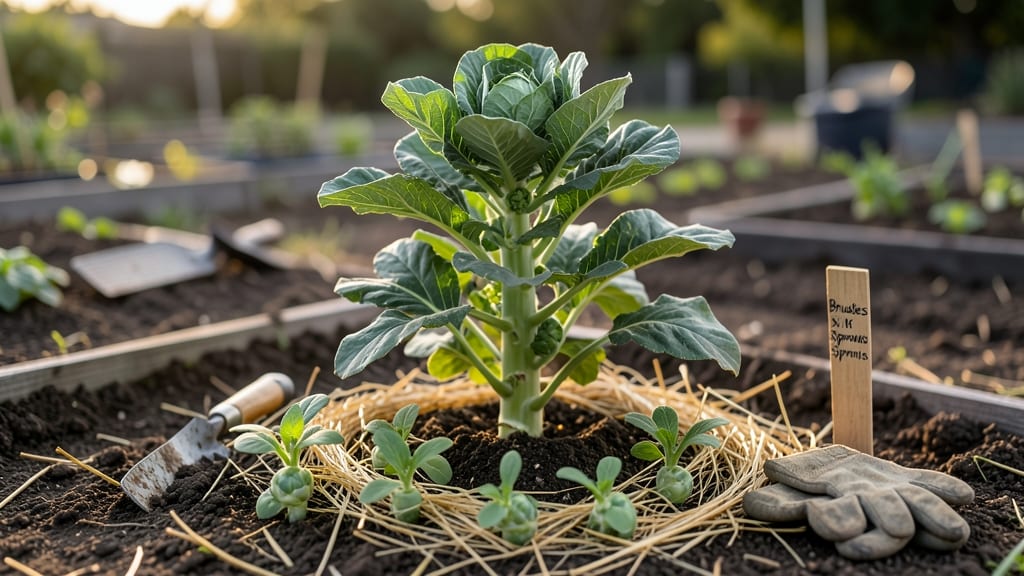
Planting Brussels sprouts in early summer gives you a fall harvest just as the weather cools—my plants always deliver the sweetest, most tender sprouts when they mature in crisp autumn air. 🌱 The key is timing: too early, and they bolt; too late, and they won’t develop properly.
Most gardeners in USDA Zones 3-9 should start seeds 6-8 weeks before the first frost for a fall harvest, or late summer for a spring harvest in mild climates.
Brussels sprouts thrive in cool weather but need full sun (6+ hours daily) and well-draining soil rich in organic matter. Before planting, work in compost or aged manure to feed their deep roots, and space seedlings 18-24 inches apart—crowding leads to leggy plants with small sprouts.
A light mulch helps retain moisture and keeps roots cool, especially in hot summers.
You’ll know you’ve timed it right when the first buds form at the base of the stems in late summer or early fall, turning a deep, glossy green. The real reward?
Harvesting 2-3 weeks before hard frost when the sprouts are still firm but starting to loosen—each bite tastes like autumn’s first chill. For extended harvests, succession plant every 2-3 weeks in early summer.
In warmer zones, try shade cloth in peak summer to prevent bolting, or grow them as a winter crop after the first frost. The secret to success? Patience—Brussels sprouts take 90-120 days to mature, but the wait is worth it for homegrown, frost-sweetened flavor that beats store-bought every time.
📚 In This Guide
- What you need
- Instructions
- Tips and common mistakes
- Wrapping up and next steps
What you need
- ● Brussels sprouts seeds: Choose disease-resistant varieties like ‘Long Island Improved’ or ‘DiCicco’. Aim for 100–200 seeds (or 3–5 plants per person, spaced 18–24" apart).
- ● Well-draining soil: Test for pH 6.0–7.0. Amend with compost (2–3 inches mixed into top 6" of soil) for fertility.
- ● Fertilizer: Balanced 10-10-10 or organic options like fish emulsion (apply at planting + mid-season).
- ● Mulch: Straw or shredded leaves (2–3 inches) to retain moisture and suppress weeds.
- ● Hand trowel or transplanting spade
- ● Garden fork (for loosening soil)
- ● Watering can or hose with a gentle nozzle
- ○ Row marker or stakes (optional, for spacing)
- ● Gloves (to protect your hands from thorns!)
- ● Climate: Cool-season crop! Plant 4–6 weeks before your first frost (spring) or 60–90 days before hard frost (fall).
- ● Sunlight: Full sun (6+ hours/day); partial shade in hot climates.
- ● Space: 18–24" between plants, 30–36" between rows.
- ● Water access: Consistent moisture (1–1.5" per week).
Step-by-step guide to timing Brussels sprouts planting for peak harvests
Brussels sprouts thrive in cool weather—here’s exactly when and how to plant them for a bountiful fall harvest.
📅 Step 1: Determine Your Planting Window Based on Climate
Brussels sprouts need 60-90 days of cool weather to mature, so timing depends on your hardiness zone. In zones 3-6, plant seeds 8-10 weeks before your first frost date—typically late July to early August—for a fall harvest. In warmer zones 7-10, start seeds 6-8 weeks before frost or even as early as June for a winter crop.
Use a frost chart to pinpoint your last frost date, then count backward. For example, if your first frost is October 15, plant seeds by August 15 in zone 5. This ensures sprouts mature before cold snaps damage them. If you miss this window, you can still plant in early spring for a summer harvest, but fall is ideal for sweeter, tighter sprouts.
🌱 Step 2: Prepare the Soil for Optimal Growth
Brussels sprouts prefer well-draining, slightly acidic soil with a pH of 6.0-7.0. Work in 2-3 inches of compost or aged manure into the top 12 inches of soil to improve fertility and structure. Avoid fresh manure—it can cause nitrogen burn and stunted growth. If your soil is heavy clay, mix in sand or perlite to improve aeration.
Test your soil’s moisture retention by squeezing a handful—it should hold together but not feel soggy. Brussels sprouts are drought-tolerant once established, but they need consistent moisture during germination. If your soil dries out quickly, consider planting in a raised bed or container for better control. Amend the soil with balanced organic fertilizer (like 5-5-5) at planting time to support steady growth.
☀️ Step 3: Plant Seeds at the Correct Depth and Spacing
Sow seeds ½ inch deep in rows 18-24 inches apart—this gives plants room to develop sturdy stems and prevents overcrowding. Thin seedlings to 12-18 inches apart once they reach 2 inches tall, keeping the strongest, most vigorous plants. Overcrowding leads to leggy, weak stems and fewer sprouts.
For a head start, direct-sow seeds in late summer rather than transplanting seedlings—Brussels sprouts dislike root disturbance. If you’re growing in containers, use 5-gallon pots with drainage holes and plant one seedling per pot. Keep soil temperatures above 50°F for germination, which typically takes 7-14 days. Watch for first true leaves (not the initial seed leaves) to confirm successful sprouting.
💧 Step 4: Water and Maintain for Maximum Yield
Water deeply once a week, providing 1-1.5 inches of water per week, and more during dry spells. Keep the soil evenly moist but not waterlogged—Brussels sprouts are prone to rot in soggy conditions. Use drip irrigation or soaker hoses to deliver water at the base and avoid wetting the leaves, which reduces disease risk. Mulch with straw or shredded leaves to retain moisture and suppress weeds.
As plants grow, side-dress with compost or a low-nitrogen fertilizer (like 0-10-10) every 4-6 weeks to support bud development. Brussels sprouts are heavy feeders, so consistent nutrients prevent stunted growth. Harvest begins when lower buds swell to about 1 inch in diameter, usually 8-10 weeks after planting. Twist sprouts gently from the stem—don’t cut—to avoid damaging the plant.
⏰ Step 5: Extend the Harvest Season with Proper Care
Brussels sprouts can produce into winter if protected from freezing temperatures. Apply row covers or frost cloth when nighttime temps drop below 25°F to shield plants. In mild climates, they may keep producing until spring, though flavor declines as days lengthen. If a hard freeze is forecast, harvest all remaining sprouts before temperatures drop below 20°F. Store harvested sprouts in the fridge for up to 2 weeks or blanch and freeze for long-term storage.
After harvest, cut plants back to 6 inches tall in early spring. They may produce a second, smaller crop of sprouts if given time to regrow. This two-part harvest strategy maximizes your yield and ensures you have fresh sprouts well into the following season. With the right timing and care, Brussels sprouts become a reliable, low-maintenance cool-season staple in your garden.
Tips & tricks for perfect Brussels sprouts planting timing
Mastering the timing of Brussels sprouts planting transforms a simple garden task into a foolproof harvest strategy. Here’s what I’ve learned after years of trial and error.
Climate Zone Precision: The 60-90 day cool weather requirement is non-negotiable, but don’t rely solely on zone numbers. Check your local frost dates annually—they shift slightly each year. I cross-reference the USDA zone map with my county’s agricultural extension service for the most accurate planting window. For example, in zone 5, I’ve found planting by August 10th yields better results than the August 15th guideline when aiming for a November harvest.
Soil Temperature Secret: The instructions mention keeping soil above 50°F for germination, but here’s the real trick: aim for 60-65°F for faster sprouting. Test soil temperature with a thermometer at planting depth (½ inch). If it’s below 50°F, wait a week or use black plastic mulch to warm the soil. I’ve seen germination times cut in half with this simple adjustment, especially in cooler climates.
Container Gardening Hack: For urban gardeners or those with poor soil, 5-gallon pots work wonders—but don’t stop there. Use a 3:1 ratio of potting mix to compost for optimal drainage and fertility. I’ve had success with self-watering containers that maintain consistent moisture without risking overwatering. Just remember to harden off seedlings before transplanting if you’re moving them outdoors later.
Harvest Extension Strategy: The 25°F protection threshold is crucial, but don’t wait until the last minute. I start using row covers when nighttime temps consistently hit 30°F, giving myself a buffer. For extra insurance, I’ve planted a second, smaller crop in early September that matures just as the first one finishes. This staggered approach ensures a continuous harvest window from late October through December.
Pro Tips for Brussel Sprouts Planting Time
- Mastering the timing of Brussels sprouts planting transforms a simple garden task into a foolproof harvest strategy.
- Climate Zone Precision: The 60-90 day cool weather requirement is non-negotiable, but don’t rely solely on zone numbers.
- Soil Temperature Secret: The instructions mention keeping soil above 50°F for germination, but here’s the real trick: aim for 60-65°F for faster sprouting.
Frequently asked questions
Got questions about planting Brussels sprouts? You’re not alone! Here are the answers to the most common queries—so you can grow a thriving crop with confidence.
When is the best time to plant Brussels sprouts?
Plant them 4–6 weeks before your last frost date in early spring (around March–April in most U.S. zones) or 60–90 days before your first fall frost (August–September). Cool weather (50–75°F) is key—they bolt in heat! For extended harvests, stagger plantings every 2–3 weeks.
How long does it take for Brussels sprouts to mature?
Count on 90–100 days from transplanting to harvest, depending on the variety. Smaller varieties (like ‘Long Island Improved’) mature faster (80–90 days), while larger ones (like ‘Ruby’) take longer. Pro tip: Chill them in fall temps (below 60°F) to sweeten the flavor!
Can I plant Brussels sprouts in summer?
Not ideal! Brussels sprouts hate heat—they’ll bolt (flower prematurely) if temps exceed 80°F. For summer plantings, try shade cloth or opt for heat-tolerant varieties like ‘Corona’ (though yields may suffer). Better bet: Stick to spring/fall planting.
What pests or diseases should I watch for?
Keep an eye out for cabbage worms, aphids, and flea beetles (use row covers or neem oil). Downy mildew and clubroot can also strike—rotate crops and ensure good drainage. Quick fix: Handpick pests early and mulch to deter soil-borne issues.
Can I grow Brussels sprouts in containers?
Choose a 5-gallon pot or larger with drainage holes and deep soil. Dwarf varieties (like ‘Totem’) thrive in containers. Place them in full sun, water consistently, and fertilize every 3–4 weeks. Bonus: Containers make rotating crops easy!
Wrapping up and next steps
Planting Brussels sprouts at the right time—whether in early spring or late summer—sets the stage for a bountiful, flavorful harvest. With the right soil, spacing, and care, these cool-weather gems can thrive even in small gardens.
Now that you’re armed with cool-season secrets, it’s time to roll up your sleeves and get growing!
Ready to take the next step? Mark your calendar for your local planting window and start prepping your soil. Soon, you’ll be savoring homegrown Brussels sprouts—one crisp, delicious bite at a time! 🌱