
Planting
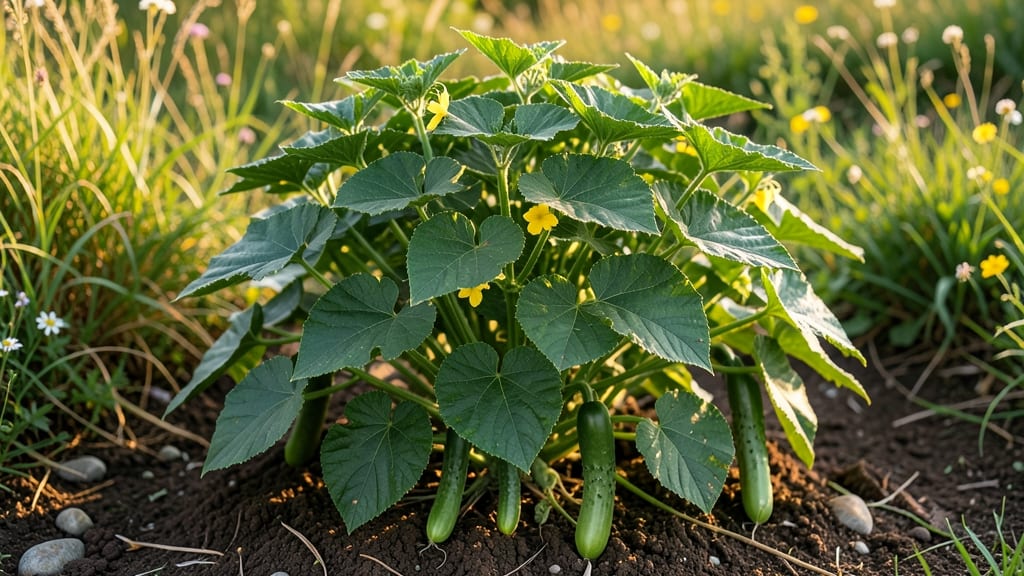
Growing burpless bush hybrid cucumbers means no more bitter surprises in your salad. 🌱 These compact plants produce sweet, seedless cucumbers perfect for containers—no trellis required, and no need to worry about that dreaded cucumber bite.
I’ve grown them in 5-gallon pots on my balcony, and they’ve outproduced my in-ground vines every time. The secret lies in their bush habit: no sprawling vines mean you can place them anywhere with 6+ hours of sun, and their compact size makes them ideal for small spaces.
They thrive in well-draining soil with regular watering—just keep the soil consistently moist but not soggy. A balanced fertilizer every 2-3 weeks keeps them productive all season. By midsummer, you’ll be harvesting 6-8 inch cucumbers that stay sweet and crisp, perfect for snacking or salads.
The burpless trait makes them a crowd-pleaser, and their bush form means less maintenance than traditional vines. No pruning needed—just watch them grow! Troubleshooting is easy: if you spot blossom end rot, boost your calcium with crushed eggshells or a lime solution.
These cucumbers are forgiving, even for beginners, and their compact size means fewer pests to deal with. Ready to grow your own no-fuss harvest?
📚 In This Guide
- What you need
- Instructions
- Tips and common mistakes
- Wrapping up and next steps
What you need
- ● Burpless Bush Hybrid Cucumber Seeds or Seedlings: 1–3 plants (choose varieties like 'Bush Champion' or 'Sweet Success' for compact growth).
- ● Containers: 5-gallon pots or fabric grow bags (at least 12–18 inches deep) with drainage holes.
- ● Potting Mix: 2–3 bags of high-quality, well-draining container mix (avoid garden soil—it compacts!).
- ● Fertilizer: Balanced slow-release fertilizer (10-10-10) or organic options like compost or worm castings.
- ● Trellis or Cage: Small tomato cages or A-frame trellises (4–5 feet tall) to support vines.
- ● Watering Can or Hose with Nozzle: For gentle, deep watering (aim for 1–2 inches per week).
- ○ Mulch (Optional but Helpful): Straw or shredded leaves to retain moisture.
- ● Gloves: A pair to protect your hands from thorns and soil.
- ● Pruning Shears: For trimming excess foliage or dead vines.
- ● pH Test Kit: To check soil acidity (ideal range: 6.0–6.8).
- ○ Shade Cloth (Optional): For hot climates to protect young plants from scorching.
- ○ Supporting Stakes (Optional): Extra twine or clips to secure vines to trellises.
Step-by-step guide to growing burpless bush hybrid cucumbers in containers
Here's how to cultivate sweet, bite-free cucumbers without sprawling vines or garden space.
🪴 Step 1: Choose the Right Containers and Prepare Growing Medium
Burpless bush cucumbers thrive in 5-gallon containers with drainage holes—larger pots mean fewer vines competing for nutrients. I use black fabric grow bags because they warm up faster in cooler mornings. Fill each container with a mix of 60% high-quality potting soil, 30% compost, and 10% perlite for drainage. This blend prevents waterlogging while retaining moisture for consistent growth.
Sterilize your containers first by soaking them in a 10% bleach solution for 10 minutes, then rinsing thoroughly. The reason? Cucumber roots are sensitive to fungal pathogens, and clean containers give your plants a strong start. Tap the filled container gently to settle the mix, leaving 2 inches of space at the top for watering.
☀️ Step 2: Plant Seeds or Transplants at Optimal Depth and Spacing
For seeds, plant 2-3 per container at a depth of ½ inch, spacing them 1 inch apart in a small cluster. Burpless bush varieties grow compactly, so overcrowding isn't an issue. Press the soil lightly around the seeds to ensure good contact—this encourages faster germination. If using transplants, bury them to the same depth they were in their nursery pot, which prevents stem stress.
Water immediately after planting to settle the soil and trigger germination. Keep the soil consistently moist (not soggy) until sprouts appear in 7-10 days. Here's the thing—if you're starting from seed, place containers in a warm spot (70-80°F) to speed up germination. A heat mat works wonders if your home runs cooler.
💧 Step 3: Provide Support and Consistent Watering for Bush Growth
Even "bush" cucumbers need light support—install a 5-foot tall tomato cage or sturdy wire trellis in each container at planting. This prevents vines from sprawling and improves air circulation, which reduces disease risk. As vines grow, gently weave them through the cage to encourage upward growth. You'll see the first tendrils appear in 2-3 weeks, signaling it's time to start training.
Water deeply 2-3 times per week, aiming for 1-1.5 gallons per container. The key is even moisture—let the top 1-2 inches of soil dry between waterings. Overwatering leads to blossom-end rot, while underwatering causes bitter fruit. I use a soaker hose for even distribution, avoiding wetting the leaves to prevent fungal diseases like powdery mildew.
✂️ Step 4: Prune and Harvest for Maximum Yield
Once plants reach 12 inches tall, pinch off the main stem just above the 5th leaf to encourage bushier growth. This technique redirects energy to lateral branches, resulting in more fruit. Remove any yellowing or diseased leaves immediately—cucumbers are heavy feeders, and dead foliage drains energy from production. I also trim suckers (side shoots) that form in the leaf axils to keep the plant focused on fruit development.
Harvest begins 50-60 days after planting when cucumbers reach 6-8 inches long and feel firm to the touch. Use pruning shears to cut stems cleanly, leaving a small stub. Real talk: harvesting regularly is non-negotiable—neglected cucumbers turn bitter and woody. Pick every 2-3 days during peak production to keep the plant motivated to produce more.
🌿 Step 5: Maintain Soil Fertility Through the Season
Feed plants every 2 weeks with a balanced liquid fertilizer (10-10-10) diluted to half-strength. The goal is to mimic natural nutrient availability without overloading the roots. I also mix in 1 tablespoon of Epsom salt per gallon of water monthly to boost magnesium levels—this prevents yellowing between leaf veins, a common cucumber deficiency.
As the season progresses, monitor for pests like aphids or cucumber beetles. I spray plants with neem oil solution (2 tablespoons per gallon of water) at the first sign of trouble. Burpless bush varieties are disease-resistant, but stress from pests still reduces yields. Keep an eye on the undersides of leaves—early intervention is key to protecting your harvest.
Tips & tricks for perfect burpless bush hybrid cucumber plants
Common pitfalls—and how to sidestep every one—when growing these sweet, bite-free cucumbers in containers.
Container Selection: While 5-gallon containers work perfectly, opt for 7-gallon grow bags if you want extra room for root development. The additional space prevents overcrowding and allows each plant to support more fruit without stress. I've found that larger containers also help maintain moisture longer between waterings, which is especially helpful in hotter climates.
Germination Boost: The 70-80°F temperature range for germination is ideal, but if your home stays cooler, place containers on top of a seedling heat mat set to 75°F. This small investment can cut germination time from 10 days to just 5-7 days. Just remember to remove the mat once sprouts emerge to avoid overheating delicate roots.
Watering Wisdom: Those 1-1.5 gallons per container might seem like a lot, but burpless bush varieties actually need consistent moisture to prevent bitterness. I've learned to check soil moisture by sticking my finger 1-2 inches deep—if it feels dry, it's time to water. For even distribution, water at the base rather than overhead, which helps prevent fungal diseases that thrive in damp foliage.
Pruning Strategy: When pinching off the main stem above the 5th leaf, make your cut at a 45-degree angle just above a leaf node. This angled cut encourages faster healing and prevents water from pooling on the wound. Also, be patient—don't rush to prune until the plant reaches 12 inches tall, as early pruning can stress young plants and reduce overall yield.
Pro Tips for Burpless Bush Hybrid Cucumber Plant
- Common pitfalls—and how to sidestep every one—when growing these sweet, bite-free cucumbers in containers.
- Container Selection: While 5-gallon containers work perfectly, opt for 7-gallon grow bags if you want extra room for root development.
- Germination Boost: The 70-80°F temperature range for germination is ideal, but if your home stays cooler, place containers on top of a seedling heat mat set to 75°F.
Frequently asked questions
Got questions about growing burpless bush hybrid cucumbers in containers? You’re not alone! Here are some of the most common queries—and their easy answers—to help you grow like a pro.
Can burpless bush cucumbers really grow in containers?
These compact hybrids thrive in containers as small as 5-gallon buckets or larger pots (10+ gallons for multiple plants). Their bushy, trailing growth habit makes them perfect for patios, balconies, or small gardens. Just ensure your container has drainage holes and use a lightweight potting mix.
How long does it take for burpless bush cucumbers to produce fruit?
With the right care, you’ll see female flowers (the ones that turn into cucumbers) in about 45–55 days after planting. Harvest begins roughly 60–70 days from seed, depending on your climate. Pro tip: Pick fruits regularly to encourage more production!
Why are my burpless bush cucumbers bitter?
Even "burpless" varieties can taste bitter if they’re overripe, stressed, or not pollinated. To avoid this:
- Harvest when 6–8 inches long and firm.
- Water consistently (avoid drought stress).
- Hand-pollinate flowers with a soft brush if bees are scarce.
If bitterness persists, check for heat stress (shade cloth helps in hot climates).
What’s the best alternative if I don’t want to deal with vining cucumbers?
If burpless bush hybrids don’t suit your space, try these low-maintenance alternatives:
- ‘Spacemaster’ or ‘Bush Champion’: Compact, high-yielding vining types.
- ‘Diva’ or ‘Sweet Success’: Parthenocarpic (self-pollinating) bush varieties.
- ‘Suyo Long’: A mini-vining Asian cucumber that stays tidy.
All are great for containers and produce without bitterness!
Can I grow burpless bush cucumbers in cooler climates?
These cucumbers prefer warmth (70–90°F), but you can extend your season with:
- Start seeds indoors 3–4 weeks before the last frost.
- Use black plastic mulch or row covers to warm the soil.
- Choose early-maturing varieties like ‘Sweet Slice’ or ‘Bush Champion.’
If nights dip below 55°F, protect plants with a cloche or cold frame.
Wrapping up and next steps
Growing burpless bush hybrid cucumber plants in containers is a game-changer for urban gardeners and small-space enthusiasts! 🌱 These compact, productive plants deliver crisp, sweet cucumbers without the fuss of sprawling vines or bitter surprises.
Whether you're a beginner or a seasoned green thumb, this no-fail method ensures a delicious harvest with minimal effort.
Ready to dive in? Start by gathering your supplies, pick the perfect container, and plant your seeds or seedlings this weekend. Your first homegrown, burpless cucumbers could be just weeks away—happy gardening! 🌿