
Planting
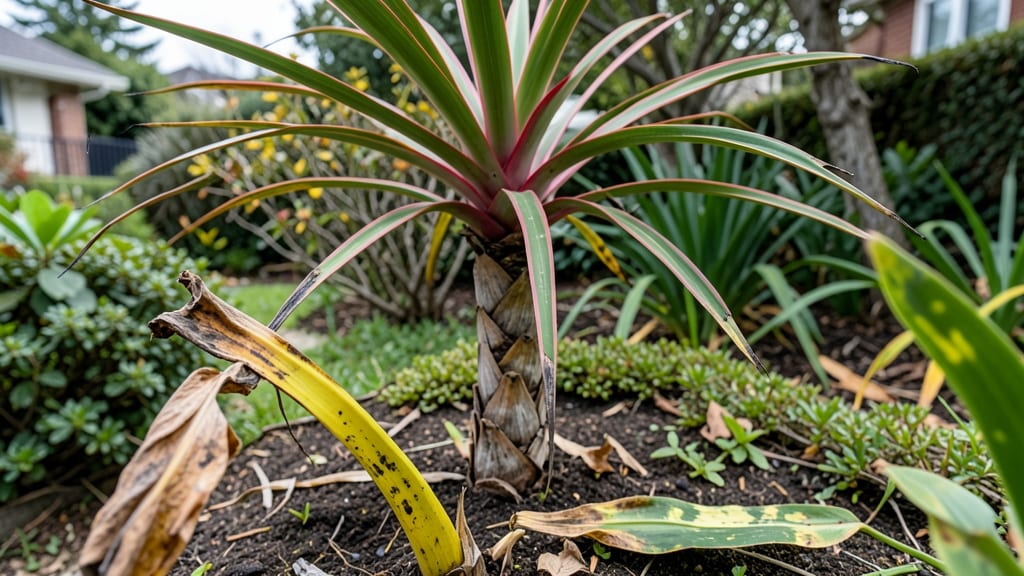
Your dracaena plant is dying—usually because of water, light, or hidden pests. 🌿 I’ve nursed more than a few back from the brink, and the fixes are simpler than you’d think. Most problems start with overwatering or too little light, but pests and dry air can sneak up too.
The first step is checking the soil: stick your finger in 1-2 inches deep. If it’s soggy, you’ve got root rot brewing. If it’s bone-dry, your plant’s thirsty. Adjust your watering schedule to once every 2-3 weeks (less in winter) and use a pot with drainage holes.
Once you’ve got the water right, move your Dracaena to bright, indirect light—no harsh sun. Wipe the leaves with a damp cloth to remove dust, and mist them weekly if your home feels dry. Within 2-4 weeks, you’ll see new growth pushing out.
For stubborn cases, repot in fresh soil and trim dead leaves at the base. If pests like spider mites are involved, isolate the plant and treat with neem oil. Prevention is easy: just check the soil before watering and dust those leaves regularly.
Root Causes Of Dracaena Decline
If your Dracaena is struggling, the issue often boils down to a few key environmental or care-related factors. Understanding these triggers helps you pinpoint the exact problem and take corrective action. Let’s break down the most common reasons your plant might be fading—from overwatering to light deprivation—and why they happen.
Dracaenas are drought-tolerant plants, meaning they store water in their thick stems and leaves. When you overwater, the roots suffocate in soggy soil, cutting off oxygen and leading to root rot (Phytophthora or Pythium fungi). This disrupts nutrient uptake, causing:
- Yellowing leaves (starting at the tips or between veins)
- Mushy, black stems (a sign of fungal infection)
- Drooping or wilting (even after watering)
- Stagnant, foul-smelling soil (a red flag for anaerobic conditions)
Why it happens: Most people assume "more water = happier plant," but Dracaena thrives in well-draining soil and prefers to dry out between waterings. Overwatering is especially risky in:
- Low-light conditions (slows evaporation, keeping soil wet longer)
- Plastic pots without drainage holes (traps excess moisture)
- Cooler temperatures (reduces transpiration, the plant’s natural water-release process)
Pro tip: Stick your finger 2-3 inches into the soil—if it’s damp, wait. If it’s bone-dry, water thoroughly until it drains from the bottom. Dracaenas recover poorly from rot, so prevention is key!
Dracaena is adaptable but needs bright, indirect light to photosynthesize properly. Too little or too much light throws off its metabolism, leading to:
🌑 Insufficient Light: The "Leggy" Problem
When deprived of light, your plant stretches (etiolation) toward any available source, producing:
- Long, weak stems with sparse leaves
- Pale, yellow-green foliage (chlorosis from poor chlorophyll production)
- Leaves dropping prematurely (the plant prioritizes survival over growth)
Why it happens: Light is essential for photosynthesis, which fuels energy production. Without it, the plant:
- Can’t produce enough glucose (its food)
- Depletes stored nutrients faster
- Becomes vulnerable to pests (stressed plants attract aphids or spider mites)
Fix it: Move your Dracaena near an east- or north-facing window. If natural light is limited, supplement with a grow light (12–14 hours/day). Avoid dark corners or rooms with fluorescent lighting only.
🔥 Sunburn: The Harsh Reality
Direct, intense sunlight (especially southern or western exposure) can scorch leaves, causing:
- Brown, crispy patches on leaf edges or tips
- Bleached or white areas (sun damage disrupts pigment)
- Leaf drop as the plant sheds damaged foliage
Why it happens: While Dracaena can tolerate moderate light, UV rays break down cell membranes, leading to oxidative stress. The plant’s natural defense is to drop damaged leaves, but chronic exposure weakens it.
Fix it: Gradually acclimate your plant to brighter light (a process called hardening off). If moving outdoors, start with morning sun only and transition to partial shade. Use sheer curtains to diffuse harsh indoor light.
Dracaena prefers moderate temperatures (65–80°F / 18–27°C) and moderate humidity (40–50%). Straying from this range stresses the plant, triggering:
- Brown leaf tips (low humidity + dry air from heating/AC)
- Wilting or curled leaves (extreme heat or cold shock)
- Slow growth or leaf drop (metabolic slowdown in cold drafts)
Why it happens:
| Issue | Scientific Explanation | Common Triggers |
|---|---|---|
| Cold Stress | Temperatures below 50°F (10°C) disrupt enzyme activity in cells, slowing growth and causing chilling injury (visible as dark spots or mushy stems). | Drafts from windows/AC, unheated porches, or winter patios. |
| Heat Stress | Above 90°F (32°C), protein denaturation occurs, damaging cell structures. Transpiration (water loss) outpaces uptake, leading to dehydration. | South-facing windows, radiators, or summer heatwaves. |
| Low Humidity | Dry air increases transpirational pull, causing water to evaporate faster than roots can absorb it. Leaf tips dry out first due to apical dominance (growth hormones prioritize new leaves). | Central heating, air conditioning, or winter indoor air. |
Fix it:
- 🌡️ Keep your plant away from cold drafts (e.g., near sliding glass doors) or heat sources (radiators, ovens).
- 💦 Increase humidity with a pebble tray (fill a tray with water and stones, place the pot on top) or a humidifier near the plant.
- ❄️ If moving outdoors, wait until temperatures stay above 55°F (13°C) at night.
Weakened Dracaena (from poor light/water) becomes a magnet for pests and diseases. Common culprits include:
🐜 Spider Mites & Mealybugs
These sap-sucking insects thrive in dry, dusty conditions, draining the plant’s energy and causing:
- Yellow stippling (tiny white dots on leaves from mites)
- Sticky residue (honeydew) (a sign of mealybugs or aphids)
- Curled, distorted leaves (growth hormones disrupted by feeding)
Why it happens: Pests target stressed plants because their chlorophyll production drops, making them easier to penetrate. Mealybugs also excrete honeydew, which fosters sooty mold (a black fungal growth blocking
Revive Your Dracaena Step by Step
Dracaena plants are tough survivors—but even the hardiest can struggle when their care routine goes off track. The good news? Most issues are reversible with the right fixes. Below, we’ll match your dracaena’s symptoms to practical, plant-friendly solutions, plus pro tips to keep it thriving long-term.
Signs: Yellowing leaves, mushy stems, foul-smelling soil, or a plant that topples easily.
How to Fix It:
- 🚰 Stop Watering Immediately Let the soil dry out completely before watering again. Use your finger to test moisture—if the top 1–2 inches feel damp, wait.
- 🧼 Repot in Fresh Soil (If Needed)
- Gently remove the plant from its pot and inspect the roots. Healthy roots are firm and white; rotted roots are brown, mushy, or smell bad.
- Trim away any mushy roots with sterilized scissors (dip in rubbing alcohol).
- Repot in a clean pot with well-draining soil (mix potting mix with perlite or orchid bark for aeration).
- 🌱 Adjust Your Watering Habits
- Water only when the top 2–3 inches of soil are dry (stick your finger in to check!).
- Use pots with drainage holes—no exceptions!
- Pro Tip: 💡 Water less in winter (growth slows, so roots need less moisture).
Signs: Leggy stems, sparse leaves, or leaves turning pale or yellow with brown tips.
How to Fix It:
- 🔦 Move to Brighter Light
- Ideal spot: Near an east or west-facing window (bright but not scorching).
- No window? Use a grow light 12 inches above the plant for 12–14 hours daily.
- Avoid direct south-facing sun—it can scorch leaves.
- 🌿 Prune for Bushiness
- Trim leggy stems just above a leaf node to encourage new growth.
- Rotate the plant quarter-turn weekly so light reaches all sides evenly.
- 🌱 Fertilize Lightly (But Only When Active)
- Use a balanced liquid fertilizer (10-10-10 or 20-20-20) diluted to half strength every 4–6 weeks in spring/summer.
- Skip fertilizer in fall/winter—the plant is dormant!
Signs: Crispy brown leaf edges, sudden wilting, or leaves dropping without other obvious causes.
How to Fix It:
- ❄️ Keep It Cozy (But Not Too Hot)
- Ideal range: 65–80°F (18–27°C) during the day, no lower than 55°F (13°C) at night.
- Avoid: Cold drafts (AC vents, open windows in winter), heaters, or fireplaces.
- 🌬️ Shield from Sudden Changes
- If moving the plant, acclimate it gradually over a week to prevent shock.
- Pro Tip: 🌡️ Use a humidifier near the plant if your home is dry (dracaenas love 40–50% humidity).
Signs: Sticky residue on leaves, tiny webs, yellowing spots, or tiny crawling bugs.
Common Culprits & Fixes:
| Pest | How to Spot It | How to Treat It |
|---|---|---|
| Spider Mites | Tiny yellow dots, webbing | Spray with neem oil or insecticidal soap weekly. Increase humidity. |
| Mealybugs | Cottony white clusters | Wipe off with a cotton swab dipped in rubbing alcohol. Repeat weekly. |
| Scale | Bumpy brown/white shells | Scrape off with a soft toothbrush + soapy water. Follow with horticultural oil. |
| Fungus Gnats | Tiny black flies near soil | Let soil dry between waterings; top with sand or cinnamon to deter eggs. |
Prevention Tip: ✨ Isolate new plants for 2 weeks to catch pests early.
Signs: Yellowing between leaf veins (chlorosis), weak stems, or slow growth.
How to Fix It:
- 📊 Test Your Soil
- Use a soil test kit to check pH (ideal: 6.0–7.0 for dracaenas).
- Too acidic? Mix in lime (follow package instructions).
- 🍎 Feed the Right Way
- For yellowing leaves (iron/magnesium deficiency): Use a chelated iron supplement or Epsom salt (1 tsp per gallon of water, monthly).
- For slow growth: Switch to a balanced fertilizer (like 10-10-10) every 6 weeks in growing season.
- 🌿 Boost with Organic Matter
- Mix compost or worm castings into the soil for a slow-release nutrient boost.
If your dracaena is severely struggling, follow this 3-step reset:
- 🌱 Trim the Damaged Parts – Cut off yellow/brown leaves and leggy stems to redirect energy.
- 💦 Adjust Water & Light – Follow the fixes above for your specific issue.
- 🛡️ Monitor & Maintain – Check soil moisture weekly, dust leaves (helps with photosynthesis), and keep pests at bay.
💡 Pro Tip: Even after revival, consistency is key! Dracaenas bounce back faster when you:
- Stick to a watering schedule (better to underwater slightly than overwater).
- Rotate the plant monthly for even growth.
- Dust leaves every few weeks (use a damp cloth!).
With these fixes, your dracaena should perk up within 4–6 weeks—and with the right care, it’ll thrive for years to come! 🌿✨
Frequently asked questions
Why are my dracaena leaves turning yellow first at the tips?
This is usually a sign of low humidity or overwatering. Dracaenas prefer 40–50% humidity, and dry air causes leaf tips to brown. Check if your soil is soggy—water only when the top 2 inches feel dry. Increase humidity with a pebble tray or humidifier near the plant.
Can I save a dracaena with root rot?
Yes, but act fast! Remove the plant from its pot and trim away all mushy, brown roots with sterilized scissors. Repot in fresh, well-draining soil with perlite or orchid bark. Reduce watering to once every 3–4 weeks and place it in bright, indirect light. Recovery takes 4–8 weeks.
How do I tell if my dracaena has pests or just needs more light?
Check the undersides of leaves for tiny webs (spider mites) or cottony clusters (mealybugs). If you see pests, isolate the plant and treat with neem oil or insecticidal soap. If no pests, the issue is likely light deprivation—move it to an east-facing window or use a grow light.
Is it safe to prune a dying dracaena?
Pruning helps redirect energy to healthy growth. Cut off yellow/brown leaves at the base and trim leggy stems just above a leaf node. Sterilize your scissors with rubbing alcohol first. New growth should appear within 2–4 weeks if other care issues (like water or light) are fixed.
Why does my dracaena drop leaves suddenly?
Sudden leaf drop usually means stress from temperature swings, overwatering, or poor light. Keep your plant in 65–80°F (18–27°C) and avoid drafts. If the soil is soggy, let it dry out completely. If leaves are pale, move it to brighter light—just avoid direct sun.