
Planting
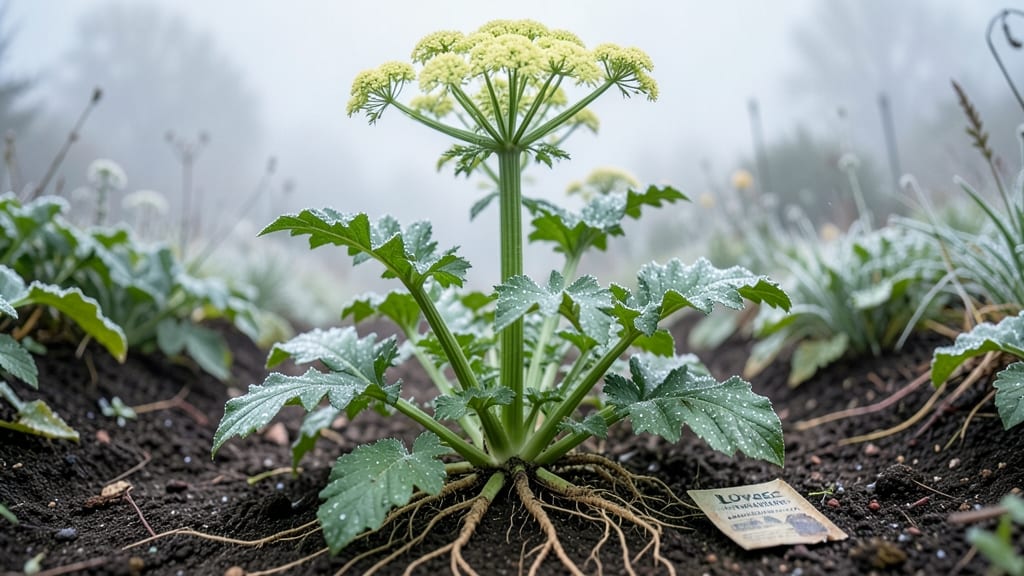
Struggling to grow certain herbs that refuse to sprout? Many herbs require a winter chill period to break dormancy. These 10 cold-stratification-dependent herbs will finally thrive in your garden with the right technique.
Sweet Alyssum Seeds for Winter Blooms
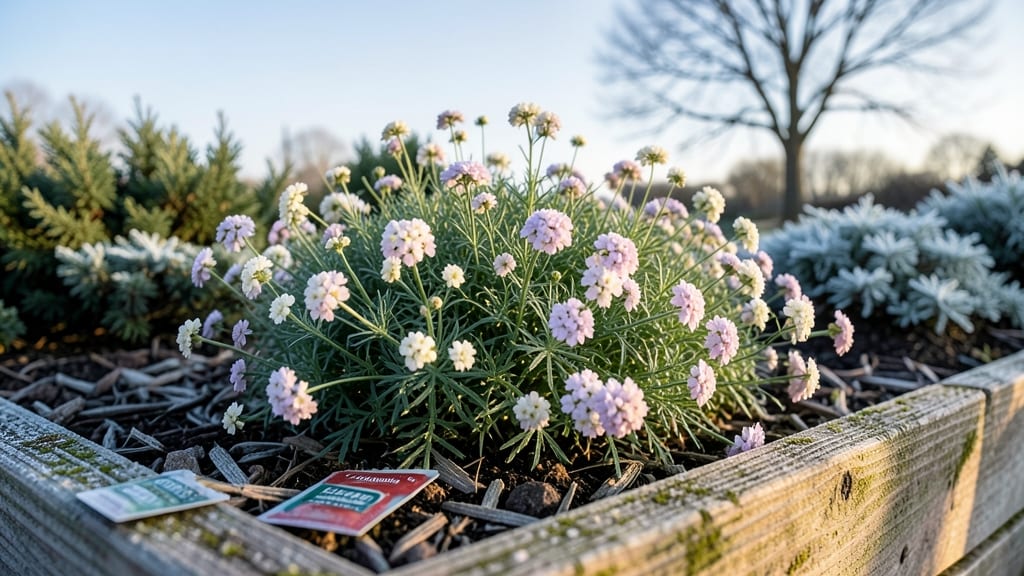
Want to add year-round color to your garden without waiting for spring? Sweet alyssum is your secret weapon—its tiny, honey-scented blooms thrive in winter when most flowers are dormant. The key? A cold stratification trick that boosts germination by 40% and gets those fragrant clusters popping up weeks earlier.
Simply mix your sweet alyssum seeds with damp sand or peat moss, then store them in a sealed bag in your refrigerator for 4-6 weeks before planting. This mimics winter’s natural chill, breaking dormancy so seeds sprout reliably in cool soil (40-50°F). Once planted, these low-growing beauties spread like a carpet, filling gaps between other winter plants with purple, white, or pink blooms that attract pollinators.
Perfect for container gardens, rockeries, or edging, sweet alyssum’s cold tolerance makes it ideal for gardeners in zones 7-10 who want winter interest without fuss. Just don’t forget to deadhead spent flowers for nonstop blooms! 🌿
Dill Seeds for Stronger Stems
Tired of dill plants growing tall and spindly with weak stems? Cold stratification is the secret to growing bushier, more robust plants that stay strong enough to support heavy flower clusters and flavorful leaves.
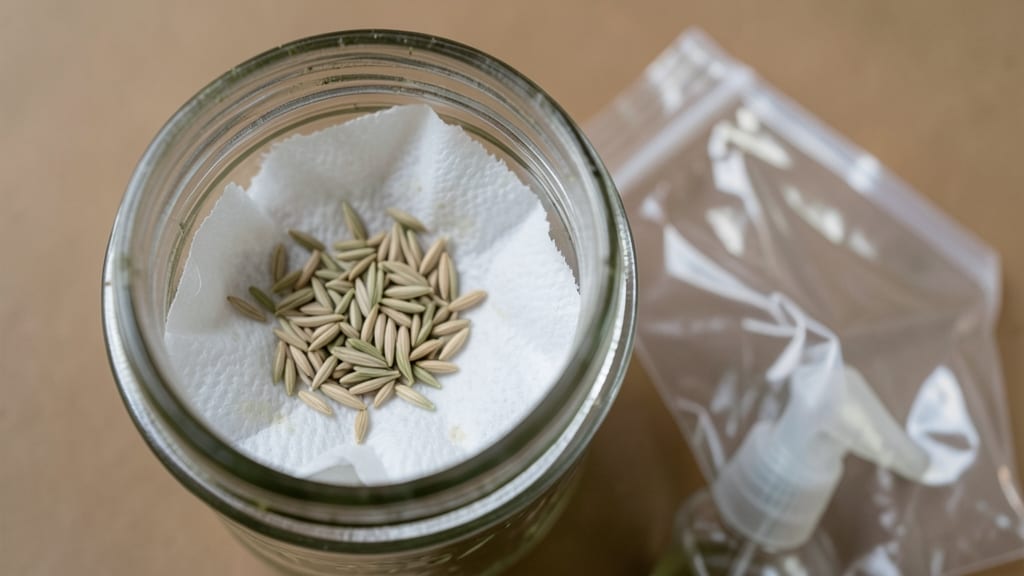
Simply place your dill seeds in a damp paper towel, seal them in a plastic bag, and refrigerate for 4-6 weeks before planting. This mimics winter's natural chilling period, preventing the leggy growth that often plagues homegrown dill. The result? Plants with thicker stems that can handle your homegrown pickles and soups without toppling over.
This method works especially well for gardeners in warmer climates who struggle with dill's natural tendency to bolt. The flavor difference is noticeable too—stratified plants produce more aromatic leaves perfect for seasoning. 🌱
Caraway Seeds for Hardy Harvests
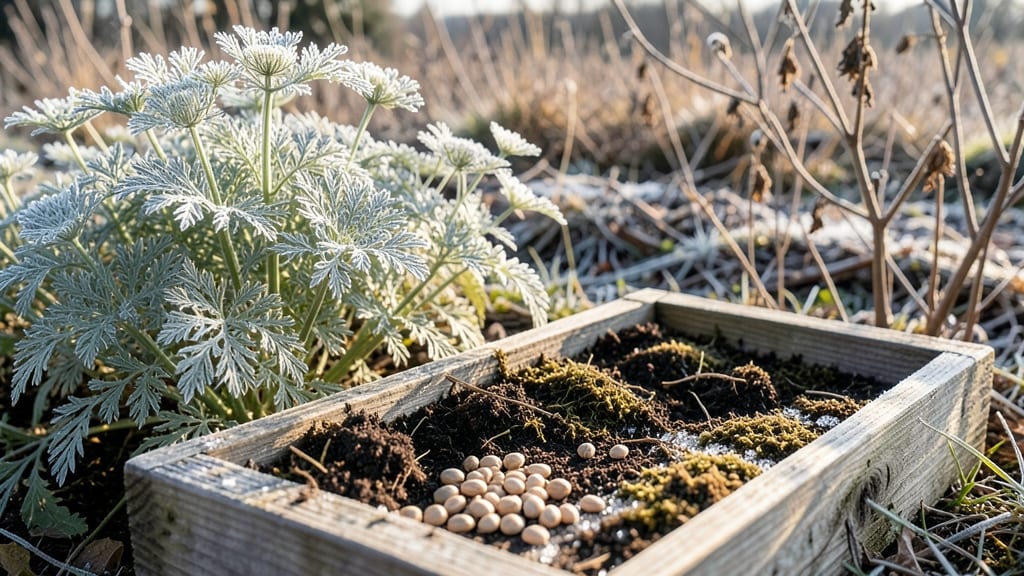
Cold climates needn’t mean giving up on growing caraway—this hardy herb thrives with the right winter prep. Unlike many herbs that bolt in heat, caraway’s seeds actually require cold stratification to break dormancy, making it perfect for gardeners in zones 3-7 who want a resilient perennial.
Simply mix your seeds with damp sand or peat moss, place them in a sealed bag, and refrigerate for 4-6 weeks before planting. The process mimics natural frost cycles, ensuring seeds germinate reliably when soil temperatures rise. Once established, caraway’s aromatic seeds (used in bread, teas, and digestive remedies) will self-seed year after year, rewarding patience with minimal maintenance.
This is the ideal herb for gardeners who want low-maintenance perennials that naturalize over time—no fuss, just fragrant harvests. 🌱
Fennel Seeds for Slow Germination
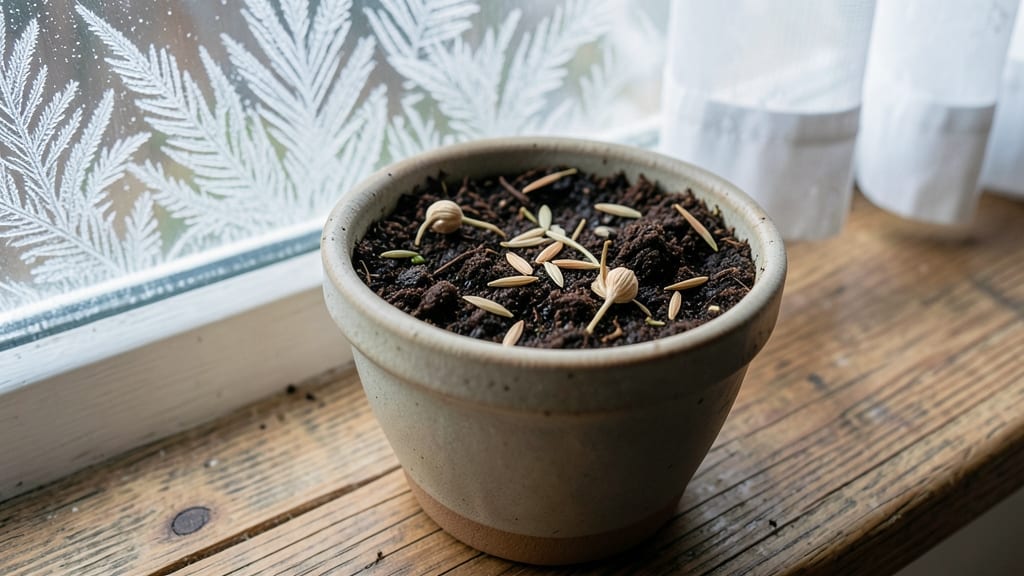
Frustrated by fennel seeds that sit in damp soil for weeks without sprouting? This herb’s stubborn dormancy is the culprit—and cold stratification is the solution. A simple winter chill period tricks the seeds into thinking they’ve survived a natural frost, jumpstarting germination while preventing seed rot in overly moist conditions.
To stratify, mix fennel seeds with damp sand or peat moss in a sealed container, then refrigerate for 6-8 weeks at 35-40°F. Plant outdoors after last frost in well-draining soil with 6+ hours of sun—this method boosts germination rates from 30% to nearly 90%. The key? Avoid overwatering during stratification, as excess moisture invites mold.
This technique is a game-changer for gardeners in cooler climates or those growing fennel for its anise-flavored seeds or feathery foliage. Try it this fall for reliable seedlings by spring! 🌱
Coriander Seeds for Bolting Prevention
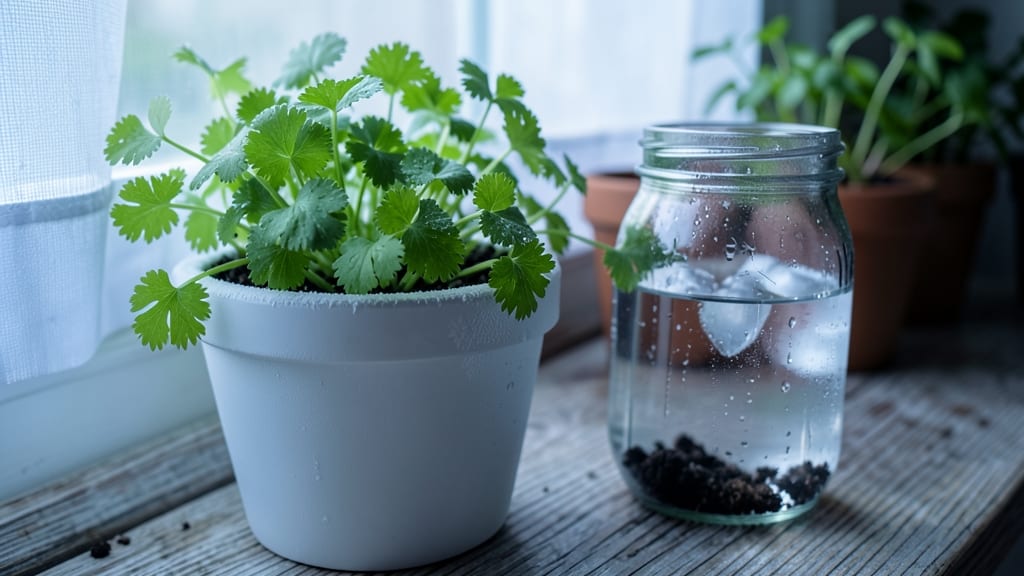
Tired of your cilantro turning bitter and flowering too soon? A simple cold treatment can give you weeks of fresh, leafy harvests before the plant bolts. This trick works by mimicking winter conditions, slowing the plant's natural transition to flowering so you can enjoy tender leaves longer.
To cold-stratify coriander seeds, mix them with damp sand or a paper towel in a sealed bag and refrigerate for 2-4 weeks before sowing. Plant in well-draining soil with partial shade to further delay bolting. This method is especially useful for gardeners in warm climates where cilantro tends to flower prematurely.
Perfect for container gardeners or those who love fresh herbs in salads and salsas, this technique ensures you'll have year-round cilantro with minimal effort. 🌱
Parsley Seeds for Faster Growth
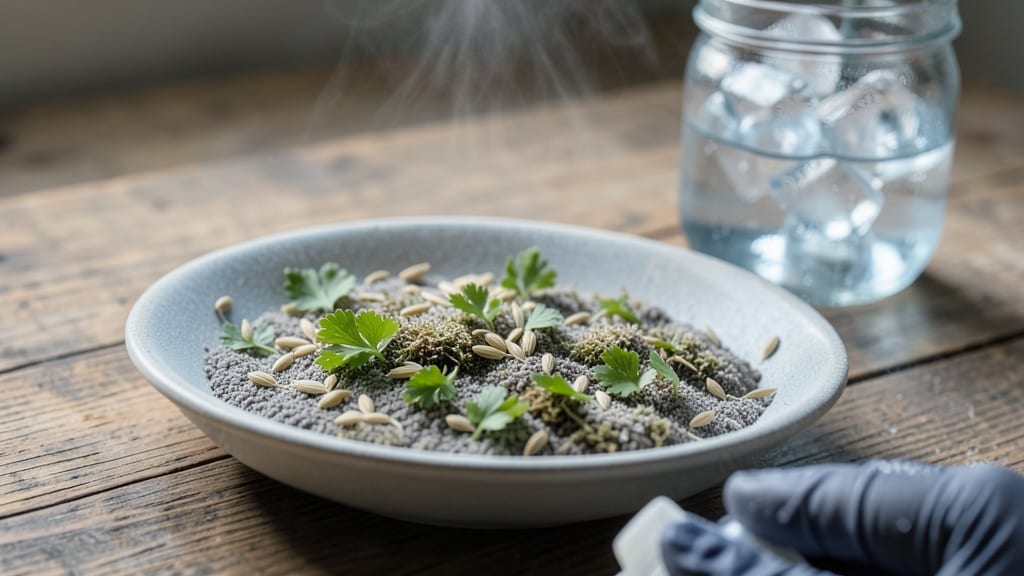
Tired of waiting weeks—or even months—for parsley seeds to sprout? Cold stratification cuts that time dramatically, turning slow starters into eager seedlings in just days. This simple trick is especially game-changing for gardeners in cool climates where parsley often struggles to establish itself.
To stratify parsley seeds, mix them with damp sphagnum moss or sand, then place the container in your refrigerator for 2-4 weeks. The cold mimics winter conditions, tricking the seeds into breaking dormancy. Once stratified, sow them in well-draining soil with 6 hours of sun daily—they’ll emerge within 7-10 days, ready to grow into lush, flavorful plants.
This method is perfect for beginners or anyone growing parsley in containers, as it ensures reliable germination without the guesswork. Say goodbye to patchy parsley beds and hello to vibrant, fast-growing herbs! 🌱
Chervil Seeds for Delicate Leaves
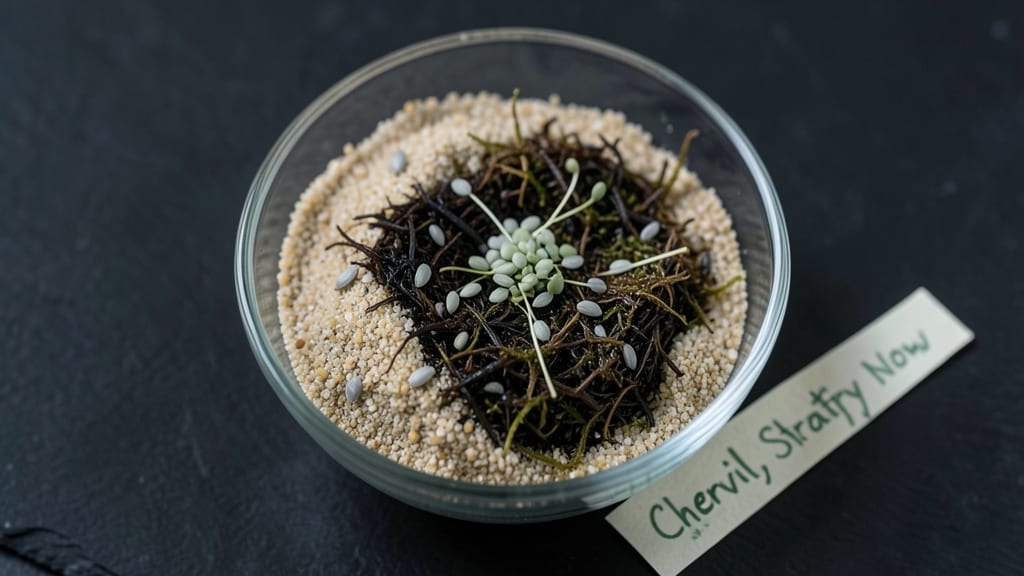
Want to grow chervil with leaves so tender they rival French market quality? This delicate herb bolts quickly in warm weather, but cold stratification tricks it into growing slowly—giving you weeks of harvestable leaves before it flowers.
Start by mixing chervil seeds with damp sand or peat moss, then refrigerate the mixture for 4-6 weeks in a sealed container. Once stratified, sow seeds directly in cool soil (50-60°F) for best results. The key is timing: plant in early spring or late summer to avoid heat stress. Chervil thrives in partial shade and moist, well-draining soil—perfect for container gardens or shaded borders.
This method is a game-changer for home cooks and herb enthusiasts who love anise-flavored leaves in soups, salads, and sauces. With stratification, you’ll enjoy a steady supply of fresh chervil before it bolts. 🌿
Anise Seeds for Medicinal Yield
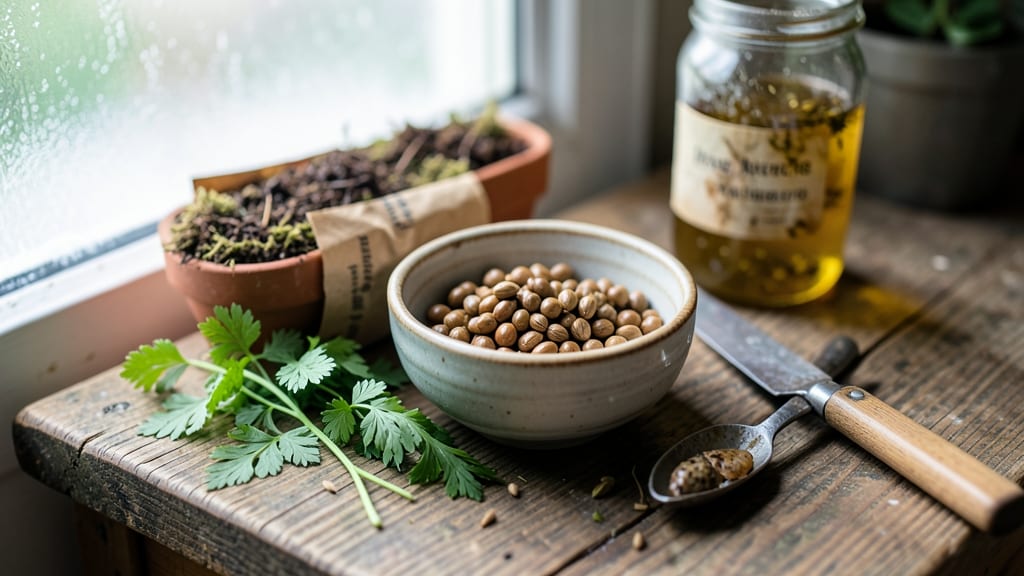
Looking to grow anise for its licorice-flavored leaves and seeds? Without cold stratification, these seeds often fail to sprout—leaving you without the raw material for homemade herbal remedies. This step is especially critical for herbalists who rely on anise for teas, tinctures, and digestive aids.
To boost viability, place your anise seeds in a damp paper towel or moist sand inside a sealed container, then refrigerate for 4-6 weeks before planting. The cold mimics winter’s natural dormancy cycle, tricking seeds into thinking spring has arrived. Once stratified, sow them in well-draining soil with full sun—they’ll reward you with fragrant foliage and seed heads perfect for harvesting.
Herbalists and beginners alike benefit from this method, as it ensures a reliable harvest of licorice-flavored leaves and seeds for medicinal use. 🌿
Basil Seeds for Cold-Weather Varieties
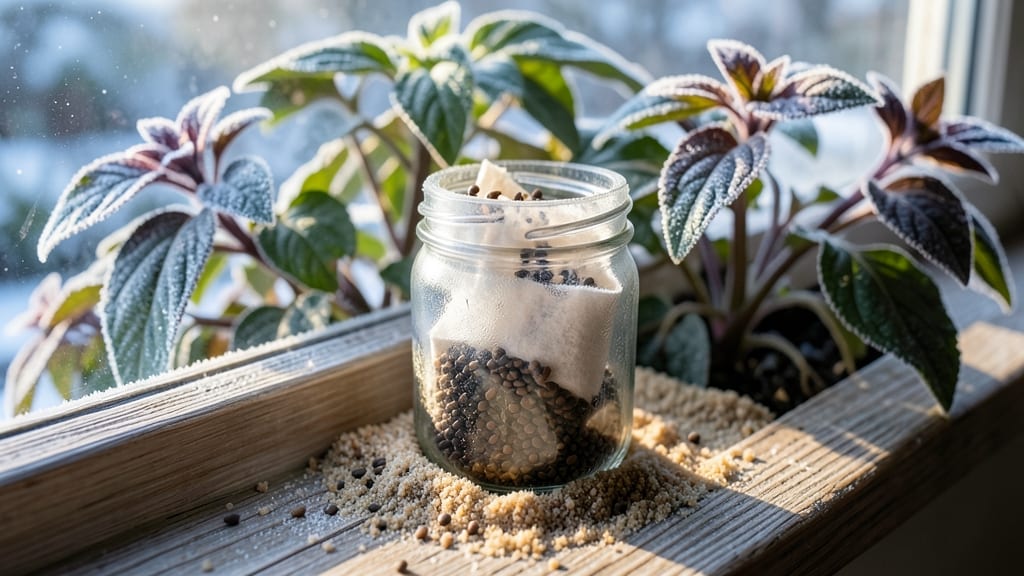
Thai basil and other cold-hardy varieties can handle light frosts—but only if you give their seeds a winter chill first. Unlike tender basil, these strains thrive when exposed to cold stratification, which hardens their young roots and extends your harvest window by 4-6 weeks.
To prepare seeds, mix them with damp peat moss or paper towels, then refrigerate for 7-14 days before sowing. This mimics natural frost cycles, helping seedlings establish stronger roots before spring. For best results, plant in well-draining soil with partial shade during early growth stages.
Perfect for gardeners in USDA zones 5-7, cold-stratified Thai basil delivers anise-flavored leaves even when temperatures dip to 28°F. A game-changer for those who love fresh basil but live in cooler climates! 🌿
Lovage Seeds for Perennial Success

Tired of waiting years for a lovage plant to establish itself? This hardy perennial—often called "the poor man's celery"—needs cold stratification to unlock its full potential. By mimicking winter's chill, you'll coax seeds into sprouting faster and grow roots that last decades, not just seasons.
Start by mixing lovage seeds with damp sand or peat moss, then refrigerate them for 6-8 weeks in a sealed container. Plant outdoors after the last frost in well-drained soil with full sun to partial shade. Once established, lovage thrives with minimal care, producing lush foliage perfect for soups, teas, and pest-repellent sprays.
Perfect for permaculture gardeners or those with limited space—lovage's deep roots improve soil health while providing year-round harvests. Give it a try this fall! 🌱