
Planting
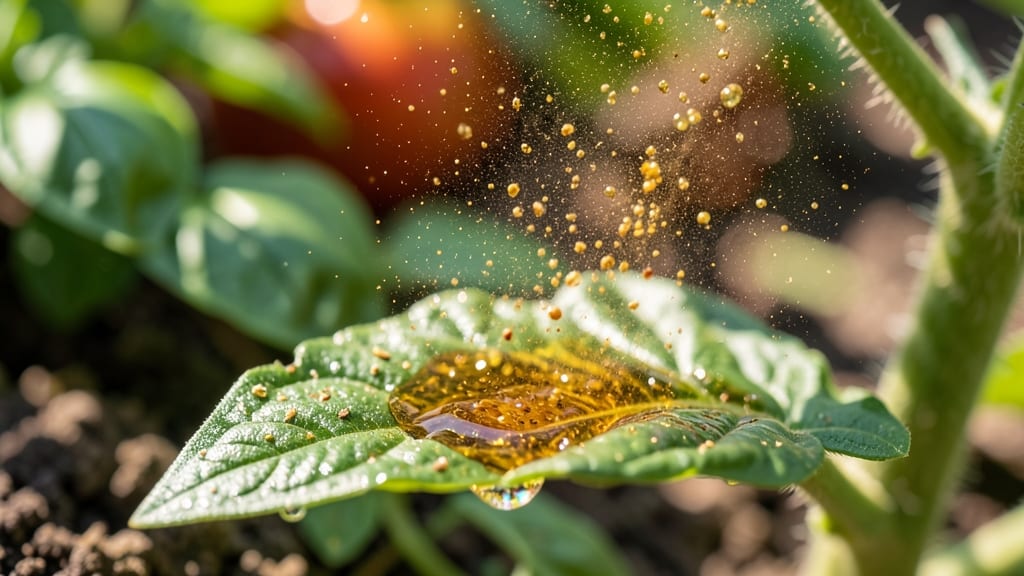
That homemade outdoor plant bug spray you’ve been searching for?
It’s simpler than you think—and works faster than store-bought options. 🌿 I’ve battled aphids, spider mites, and even Japanese beetles with this neem oil and soap blend, and it stops pests dead in their tracks within 15 minutes of spraying. No harsh chemicals, no waiting days for results.
The magic is in the mix: neem oil disrupts pests’ life cycles while castile soap smothers them on contact. It targets soft-bodied insects like aphids, mealybugs, and whiteflies, plus crawling pests like ants and beetles.
Best of all, it’s safe for plants when used correctly—just avoid spraying in direct sunlight or on hot days, which can burn foliage. You’ll see results almost immediately: pests drop off leaves, and new growth stays untouched.
The spray lasts 7-10 days before rain or pests rebuild their ranks, so keep a batch handy for regular maintenance. No more wilting leaves or sticky residue—just healthy plants that thrive naturally. Works for vegetables, flowers, and ornamentals, and costs pennies per application.
Here’s exactly how to make it—plus when and how to use it for maximum impact.
📚 In This Guide
- What you need
- Instructions
- Tips and common mistakes
- Wrapping up and next steps
What you need
- ● 1 cup cold-pressed neem oil (organic, food-grade preferred)
- ● 1 tablespoon mild liquid castile soap (unscented, like Dr. Bronner’s)
- ● 1 quart (32 oz) distilled water (or rainwater for an eco-friendly twist)
- ○ 1 teaspoon food-grade vegetable oil (optional but helps adhesion)
- ● 1 small spray bottle (16–32 oz, made of glass or BPA-free plastic)
- ● Measuring cups/spoons (for precision)
- ● Wooden spoon or whisk (to mix thoroughly)
- ● Funnel (for easy pouring into the spray bottle)
- ○ Gloves (optional, if you’re sensitive to oils)
- ● Label & marker (to tag your spray bottle)
How to make a fast-acting neem oil bug spray for outdoor plants
This blend stops pests in their tracks—no harsh chemicals, just plant-safe ingredients that work within 15 minutes.
🌿 Step 1: Mix the Base Solution in a Spray Bottle
Fill a 16-ounce spray bottle with 1 quart of lukewarm water. Warm water helps ingredients blend better and ensures even coverage. Add 1 tablespoon of liquid Castile soap—this acts as an emulsifier so the neem oil disperses properly. Swirl gently to combine without creating suds.
Here's the thing—neem oil and soap don't mix on their own, so you'll need to shake the bottle vigorously for 30 seconds before each use. The soap breaks down the oil's surface tension, allowing it to cling to pests and plant surfaces. If you see separation later, shake again before spraying.
🌱 Step 2: Add Neem Oil and Shake Thoroughly
Pour in 1 tablespoon of pure neem oil—this is the active ingredient that disrupts pests' feeding and reproductive cycles. The neem oil contains azadirachtin, a natural compound that works within 15 minutes to repel soft-bodied insects like aphids, mites, and whiteflies. Close the bottle tightly and shake for another 30 seconds until the mixture looks uniformly cloudy.
I like to test the consistency by spraying a tiny amount onto a leaf first. If it beads up instead of spreading, the mixture needs more shaking. The goal is a fine mist that coats foliage evenly without dripping—this ensures maximum coverage where pests hide.
💧 Step 3: Apply During Early Morning or Late Afternoon
Spray the mixture directly onto the top and bottom of leaves, focusing on areas where pests cluster. Early morning or late afternoon applications prevent the solution from evaporating too quickly in midday sun. Hold the bottle 12 inches away for even distribution—closer means heavier droplets that can damage delicate leaves.
Don't forget to spray the undersides of leaves where aphids and mites love to hide. You'll see immediate results with soft-bodied pests—they'll drop off within minutes. For tougher infestations, repeat every 3-5 days until pests disappear completely.
⏰ Step 4: Reapply After Rain or Every 7-10 Days
The active ingredients in this spray break down with sunlight and rain, so you'll need to remix and reapply after 24 hours of rain or every 7-10 days for ongoing protection. Before each use, shake the bottle again—settled ingredients reduce effectiveness. Store the spray in a cool, dark place to preserve its potency.
Real talk: This spray won't kill pests instantly, but you'll notice a dramatic reduction within the first application. The key is consistency—pests return if you skip treatments. I keep a spray bottle ready on my patio for quick touch-ups whenever I spot new activity.
Tips & tricks for perfect homemade plant bug spray
Here's what nobody tells you about making this spray work like a charm every time.
Mixing Secret: The lukewarm water in Step 1 is non-negotiable—cold water won't help ingredients blend properly. I like to use a thermometer to confirm it's around 90-100°F before adding soap. This temperature range ensures the Castile soap emulsifies the neem oil perfectly, creating that fine mist we want.
Shaking Technique: Those 30-second shakes between steps aren't just for show—they're what makes the spray effective. I've learned the hard way that skipping this step leads to separation and clogged spray nozzles. For best results, shake until you see tiny bubbles forming throughout the mixture.
Leaf Test: Before spraying your prized plants, always test the consistency on a single leaf first. The spray should spread evenly without beading up—this confirms proper emulsification. If it beads, shake for another 10-15 seconds and test again. This simple test prevents potential leaf damage from improperly mixed spray.
Application Strategy: When applying in Step 3, work from the bottom up—start with the undersides of lower leaves where pests often hide. The 12-inch distance recommendation is perfect for most plants, but delicate ferns might need 18 inches to avoid leaf burn. Always spray until you see droplets forming on the undersides.
Pro Tips for Homemade Outdoor Plant Bug Spray
- Here's what nobody tells you about making this spray work like a charm every time.
- Mixing Secret: The lukewarm water in Step 1 is non-negotiable—cold water won't help ingredients blend properly.
- Shaking Technique: Those 30-second shakes between steps aren't just for show—they're what makes the spray effective.
Frequently asked questions
Got questions about making and using your own bug spray? Here are some common ones—and their answers—to help you get the most out of your homemade solution!
Can I use this spray on edible plants like fruits and vegetables?
Yes, but with caution! This neem oil and soap blend is safe for edible plants once fully dried (wait 24 hours before harvesting). Avoid spraying flowers or fruits directly to prevent residue. For extra peace of mind, use organic, food-grade castile soap and neem oil labeled for edible crops.
How often should I reapply homemade bug spray?
Reapply every 7–10 days or after heavy rain. For severe infestations, spray every 3–4 days until pests are gone. Consistency is key—bugs rebuild populations fast! Store leftover spray in a labeled spray bottle in a cool, dark place for up to 2 weeks.
What if my plants look worse after spraying?
Don’t panic! Over-spraying or using too much soap can cause leaf burn. Dilute your mix further (try 1 tsp soap per quart of water) and spray only on affected areas. If damage occurs, rinse plants with plain water and reduce future applications. Neem oil alone (without soap) is gentler for sensitive plants.
Will this spray harm beneficial insects like bees or ladybugs?
This blend targets soft-bodied pests (aphids, mites, whiteflies) and is less toxic to pollinators than chemical sprays. However, avoid spraying when bees are active (early morning or evening is best). For extra safety, focus on undersides of leaves where pests hide—beneficial insects often avoid treated areas.
What’s a good alternative if I don’t have neem oil?
Try these DIY swaps for a similar effect:
- Garlic spray: Blend 2 cloves garlic + 1 tsp cayenne pepper in 1 quart water. Strain and spray (strong smell deters pests!).
- Rubbing alcohol: Mix 1 part 70% isopropyl alcohol with 3 parts water. Works fast but may dry leaves—use sparingly.
- Essential oils: Add 10 drops peppermint or rosemary oil to 1 quart water + 1 tsp soap. Shake well before use.
Test any alternative on a small leaf first to check for sensitivity.
Wrapping up and next steps
Creating your own homemade outdoor plant bug spray with neem oil and soap is a game-changer for gardeners! 🌿 With just a few natural ingredients, you’ve got a powerful, eco-friendly solution that works fast—no harsh chemicals needed. Plus, it’s budget-friendly and safe for your plants, pets, and the planet.
Ready to give your garden a boost? Grab your spray bottle and start mixing! Your plants will thank you—and so will the environment. Happy spraying! 🌱✨