
Planting
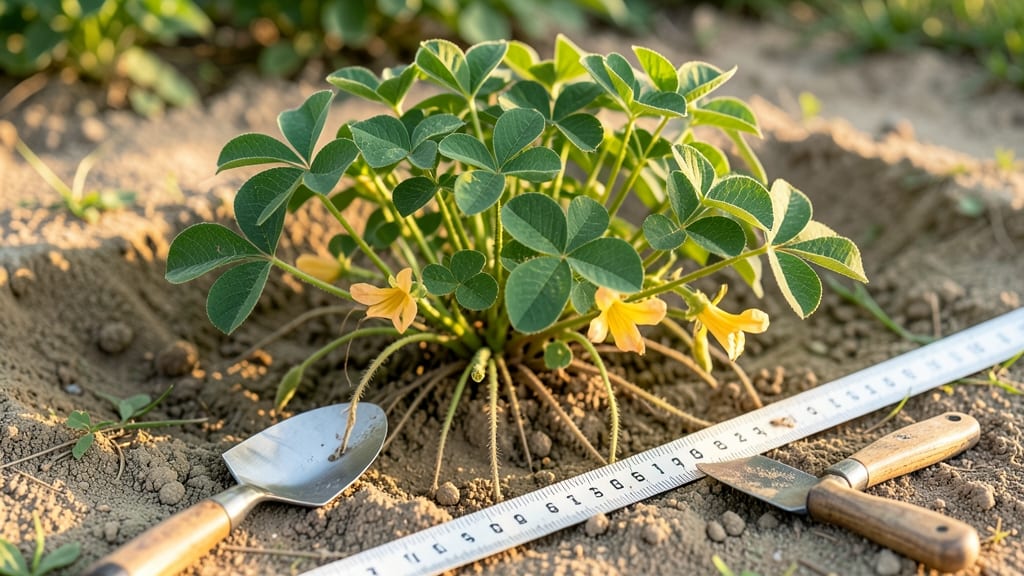
Planting peanuts at the right depth is the secret to a bountiful harvest, and most gardeners get it wrong—often planting too deep or too shallow, which stunts growth or wastes seeds.
Here’s the truth: peanuts 🥜 need just 1 to 2 inches of soil coverage to germinate properly, but the real challenge is keeping the soil loose enough for those pegs to grow downward later.
Too much depth, and they’ll struggle to form pods; too little, and they’ll dry out before pegging.
In this guide, I’ll break down the exact planting depth for your peanut variety, how to prep the soil for success, and the common mistakes that sabotage even the best-laid plans. You’ll also learn how to adjust for sandy or clay soil—because not all gardens play by the same rules.
Once you master the depth, you’ll see faster germination, stronger pegs, and a harvest that’s twice as rewarding. Let’s get those peanuts growing right!

Ideal peanut planting depth by variety and climate conditions
Getting the planting depth right for peanuts is critical—they don’t grow like typical vegetables. Instead of roots, peanuts develop pegs that burrow into the soil to form pods. Plant too shallow, and you’ll get stunted pegs; too deep, and germination suffers.
The ideal depth depends on your peanut variety and local climate, with most types thriving at 1.5 to 2 inches below the soil surface.
Peanuts are sensitive to soil temperature and moisture levels, which vary by region. In hot, dry climates like the Southeastern U.S., seeds need consistent moisture to germinate, while cooler northern zones require warmer soil to prevent rot.
Understanding these factors ensures your peanuts develop strong pegs and a bountiful harvest.
Virginia-type peanuts, known for their large pods, prefer slightly deeper planting (1.75 to 2 inches) to encourage longer pegs. Runner-type varieties, which spread aggressively, thrive at 1.5 inches, while Spanish-type peanuts—smaller but prolific—do well at 1 to 1.5 inches. These differences directly impact yield and pod size.
Here’s how to balance depth, soil temperature, and climate for success:
In sandy soils, which dry out quickly, plant peanuts slightly deeper (1.75 inches) to retain moisture near the seeds. Conversely, clay soils hold excess moisture, so shallow planting (1 inch) reduces rot risk.
Always loosen the soil 6 inches deep before planting to allow pegs to penetrate easily.
If your region experiences late spring frosts, wait until soil temperatures consistently reach 70°F before planting. Use a soil thermometer to monitor—peanuts won’t germinate below 60°F. In cooler climates, opt for early-maturing varieties like Spanish peanuts to avoid pegging issues before frost.
Shallow planting (less than 1 inch) often results in pegging failure because the seeds lack stability. Deep planting (over 2.5 inches) can cause rot or weak germination. To troubleshoot, check seed placement with a ruler or depth marker (like a popsicle stick) after sowing.
Once planted, maintain consistent moisture—peanuts need 1 inch of water per week during germination. Mulch with straw to keep soil temperatures stable and prevent crusting, which can smother emerging pegs. Avoid overwatering after pegging begins, as excess moisture can dilute soil nutrients.
Peanuts are finicky about light exposure too—they need full sun (6+ hours daily) to develop strong pegs. If growing in containers, use deep pots (12+ inches) to accommodate pegging depth and ensure drainage holes are present to prevent waterlogging.
For maximum yield, rotate peanut crops every 3–4 years to prevent soil-borne diseases like leaf spot or root rot, which thrive in compacted or overwatered soil. Test your soil’s pH (6.0–6.5) and amend with compost or aged manure to improve structure.
With the right depth, temperature, and care, your peanut pegs will burrow deep and produce pods rich in flavor and nutrition. Start with the variety that suits your climate, and don’t hesitate to experiment with spacing and depth to find your garden’s sweet spot! 🥜🌱
Step-by-step guide to planting peanuts at the perfect depth
Planting peanuts at the ideal depth is critical for their unique growth habit—they don’t grow upward like most plants but send out pegs that develop into pods underground. Most gardeners struggle with inconsistent depth, which can lead to poor germination or shallow pegs.
The secret lies in 1.5-inch depth, but achieving this requires preparation and precision.
Before planting, test your soil’s moisture retention and pH (aim for 6.0-6.5). Sandy soils dry too fast, while clay can suffocate roots. Amend with compost to improve texture, and ensure your garden bed gets full sun (6+ hours).
Peanuts thrive in warm soil, so wait until temperatures stay above 70°F consistently.
How to Plant Peanuts at the Perfect Depth
- 1 Prepare the Soil: Loosen soil to 6 inches deep with a garden fork. Remove rocks or debris that could hinder peg growth. Add 1 inch of compost and mix thoroughly.
- 2 Create Depth Markers: Use a pencil or dowel to mark planting lines at 1.5 inches deep. Alternatively, place seeds on a ruler before dropping them into holes for consistency.
- 3 Plant Seeds: Space seeds 6-12 inches apart in rows 18 inches apart. Drop 2-3 seeds per hole at your marked depth, then cover lightly with soil. Avoid compacting the soil—peanuts need loose soil for pegs to penetrate.
- 4 Water Gently: Use a watering can with a fine rose to moisten soil without displacing seeds. Aim for 1 inch of water per week, keeping soil evenly damp but not soggy. Mulch with straw to retain moisture and suppress weeds.
- 5 Monitor for Germination: Seeds should sprout in 7-14 days if soil stays warm. Thin seedlings to the strongest plant per hole once they’re 2 inches tall, using scissors to avoid disturbing roots.
Companion planting can boost your peanut yield by up to 30%. Pair them with beans, corn, or marigolds to deter pests like spider mites and improve soil nitrogen.
Avoid planting near potatoes or tomatoes, as they compete for nutrients. After germination, focus on consistent watering—peanuts need 1-2 inches of water weekly but hate soggy soil.
Once plants flower (about 60 days after planting), they’ll develop pegs that grow downward. These pegs need loose soil to penetrate easily. If your soil is heavy, create small trenches around plants to encourage deeper peg growth.
Harvest when foliage yellows and pods rattle when shaken—this usually takes 90-120 days total.
Mastering the 1.5-inch depth is just the start—consistent care ensures your peanuts thrive. With the right soil prep and spacing, you’ll enjoy a bountiful harvest of homegrown peanuts, ready for roasting or snacking straight from the garden! 🥜🌱