
Planting
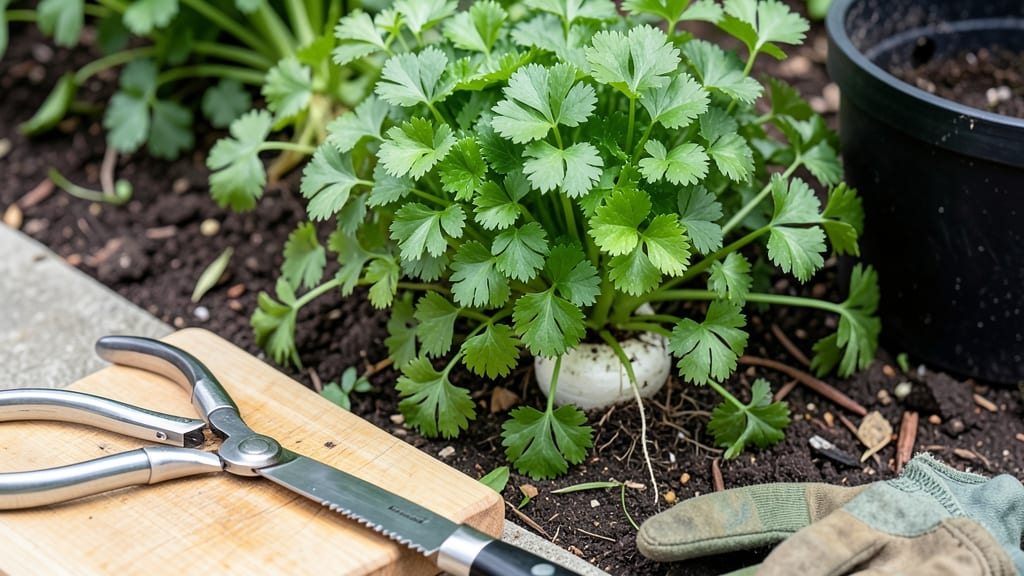
Precision trimming parsley keeps it bushier and more productive than you'd expect. ✂️ The key is cutting from the base—not the stems—using clean scissors, and never taking more than a third of the plant at once.
I learned this the hard way after snipping too aggressively and watching my parsley turn into a sad, leggy shadow of itself.
Start by sterilizing your scissors with rubbing alcohol to prevent disease. Then, look for the largest, most mature outer stems and cut them just above a set of leaves where new growth emerges.
This encourages the plant to branch out instead of growing tall and spindly. You'll notice fresh new shoots appearing within 1-2 weeks if you do it right.
The real magic happens when you repeat this process every 3-4 weeks during the growing season. Your parsley won't just survive—it'll thrive, producing dense, flavorful leaves that stay fresh longer than store-bought bunches. The secret is patience: never take more than you need, and always leave the center growth intact.
This method works for both curly and flat-leaf parsley, whether you're growing it in pots on your windowsill or in the garden. The same principles apply to cilantro too—just adjust the cutting frequency based on how fast it regrows in your climate. Your kitchen herbs will thank you!
📚 In This Guide
- What you need
- Instructions
- Tips and common mistakes
- Wrapping up and next steps
What you need
- ● Sharp pruning shears or clean scissors – Opt for bypass pruners (not anvil-style) to avoid crushing stems. A 4-6 inch blade works best for precision cuts.
- ○ Gloves (optional but recommended) – Lightweight gardening gloves protect your hands from parsley’s rough stems and soil debris.
- ● Clean, sharp knife (backup) – A chef’s knife or utility knife (3-4 inch blade) for close trims if shears aren’t available.
- ● Container or basket – A stainless steel or plastic bowl (8-12 inches wide) to collect clippings and prevent wilting.
- ● Water spray bottle (4-8 oz) – Keeps blades damp during trimming to extend freshness.
- ○ Ruler or measuring tape (optional but helpful) – Ensures you’re leaving 2-3 inches of stem for regrowth.
- ● Disinfectant (70% isopropyl alcohol or diluted bleach) – Wipe tools between plants to prevent disease spread.
- ● Plastic wrap or damp paper towels – Wrap harvested parsley to slow wilting if storing before use.
- ● Labeling tags – Mark plants if growing multiple varieties (e.g., flat-leaf vs. curly) to avoid mix-ups.
- ● Knee pad or small stool – For comfortable trimming if your parsley is in a raised bed or large pot.
How to cut parsley off plant: precision trimming for bushier growth
Here's the simple technique I use to keep parsley lush and productive all season long.
🌿 Step 1: Identify the Right Time to Harvest
Wait until your parsley has at least 6-8 inches of growth before cutting. You'll notice the stems are sturdy and the leaves are fully unfurled—not those tiny, tender baby leaves. This ensures the plant has enough energy to regrow after you harvest.
Harvest in the morning when the dew has dried but before the midday sun intensifies. The leaves will be crisp and flavorful, and you'll avoid wilting from heat stress. I always check the weather first—if rain is forecast, wait until after it passes so the leaves aren't soggy.
✂️ Step 2: Use the Right Tools and Technique
Grab a pair of sharp scissors or pruning shears—never pinch stems with your fingers. Dull tools crush stems and leave jagged edges, which can invite disease. Cut just above a leaf node (that little bump where leaves grow out), at a 45-degree angle. This encourages new growth to sprout from that node.
Don't cut more than one-third of the plant at a time. If you take too much, the parsley will struggle to recover and may bolt (go to seed) prematurely. I like to harvest outer leaves first, leaving the inner growth to keep the plant protected and growing.
🌱 Step 3: Encourage Regrowth After Cutting
After harvesting, give your parsley a light watering if the soil feels dry to the touch. The roots need moisture to bounce back and support new leaf production. Avoid overwatering—soggy soil can rot the roots and stunt regrowth.
Place the plant in a spot with partial shade for a day or two after cutting. This helps reduce stress on the plant while it recovers. Once you see new growth emerging from the cut nodes (usually within 5-7 days), you can return it to its usual sunlight spot.
🌿 Step 4: Maintain Consistent Harvesting for Long-Term Growth
Harvest parsley every 3-4 weeks to keep it bushy and productive. The more you cut, the more it grows—just don't overdo it. If you notice the plant looking leggy or sparse, it's time to trim back harder and give it a little more sunlight.
In late summer or early fall, you might see flower stalks forming. Snip them off immediately—they signal the plant is preparing to go to seed, which means the leaves will turn bitter. Removing them keeps the focus on leaf production and extends your harvest season.
⏰ Step 5: Adjust for Seasonal Changes
In spring and fall, parsley grows quickly, so you can harvest more frequently. In hot summer months, growth slows down, so trim lightly and keep the soil consistently moist. If your parsley bolts (sends up tall flower stalks) in summer heat, it's time to either harvest the remaining leaves or pull the plant and start fresh in fall.
If you're growing parsley in containers, be extra gentle with watering—potted plants dry out faster and need more frequent checks. A mulch ring around the base helps retain moisture and keeps roots cool, which encourages steady growth.
Tips & tricks for perfect parsley harvesting
These simple tricks will transform your parsley from sparse to thriving in no time.
Timing is Everything: The morning after a light rain is ideal for harvesting—parsley leaves are perky and packed with flavor. Avoid cutting after heavy rain when leaves may be waterlogged, or during extreme heat when they can wilt quickly. I always check the forecast to time my harvests perfectly, especially in humid climates where leaves can develop fungal issues.
Tool Precision Matters: That 45-degree angle cut isn't just decorative—it helps water run off the stem and prevents rot. Use clean, sharp scissors or shears to make crisp cuts that heal faster. I keep a small pair dedicated just to herbs so they're always ready. For container parsley, smaller scissors work better to navigate tight spaces without damaging neighboring stems.
Stress Management for Plants: After cutting, that partial shade isn't just for show—it gives your parsley time to recover. Think of it like letting a runner catch their breath after a sprint. I've seen parsley recover beautifully in 2-3 days of shade, especially after heavy harvests. This is particularly important for young plants still establishing their root systems.
Seasonal Adjustments: Summer's heat slows growth, so I reduce my harvests to every 4-5 weeks instead of the usual 3-4 weeks. The key is consistency—regular light pruning encourages bushier growth year-round. I also make sure to water deeply after summer harvests since the roots work harder to recover in hot conditions.
Pro Tips for Cut Parsley Off Plant
- These simple tricks will transform your parsley from sparse to thriving in no time.
- Timing is Everything: The morning after a light rain is ideal for harvesting—parsley leaves are perky and packed with flavor.
- Tool Precision Matters: That 45-degree angle cut isn't just decorative—it helps water run off the stem and prevents rot.
Frequently asked questions
Got questions about harvesting parsley like a pro?
Here are answers to the most common queries to keep your parsley thriving and your kitchen stocked with fresh flavor!
When is the best time to cut parsley from the plant?
The ideal time to harvest parsley is in the morning after the dew has dried but before the sun gets too intense. This ensures the leaves are hydrated and full of flavor. Avoid cutting after heavy rain or late in the day, as the leaves may be damp or wilted.
How much of the parsley plant should I cut at once?
Never cut more than ⅓ of the plant at a time—this prevents stress and allows the parsley to regrow. For flat-leaf parsley, snip individual stems; for curly parsley, trim clusters of outer stems. Over-harvesting can stunt growth or kill the plant.
Can I cut parsley from the bottom or just the top?
Always cut from the top or outer stems, never the base. This encourages bushier growth and prevents damaging the plant’s crown. Avoid cutting too close to the soil, as it can expose the root system to pests or disease.
What should I do if my parsley turns yellow or wilted after cutting?
Yellowing or wilting can happen if you cut too much or stress the plant. Revive it by:
- Watering deeply but gently (avoid soggy soil).
- Trimming back any damaged leaves.
- Ensuring it gets 6+ hours of sunlight daily.
- Fertilizing lightly with a balanced organic fertilizer.
Is it okay to cut parsley and leave the stems in the ground?
Yes! Leaving 1–2 inches of stem in the ground after cutting encourages regrowth. Just avoid leaving long, bare stems, which can attract pests. For a cleaner look, trim stems flush with the soil—but never remove the entire stem.
Can I harvest parsley in winter or cold climates?
Parsley is a hardy herb and can tolerate light frosts, but heavy freezes may damage it. In cold climates, harvest before the first frost or protect the plant with mulch or a cloche. If the ground freezes, parsley may go dormant but often regrows in spring.
Wrapping up and next steps
Mastering the art of cutting parsley from your plant isn’t just about harvesting fresh herbs—it’s about nurturing a thriving, lush green bush that keeps giving!
With the right tools, timing, and technique, you’ll enjoy a steady supply of vibrant parsley while encouraging robust regrowth. Now that you’re equipped with these tips, why not share your newfound skills? Try experimenting with different trimming styles or even propagating cuttings to expand your herb garden. Happy trimming—and may your kitchen always smell like sunshine! 🌿✨