
Planting
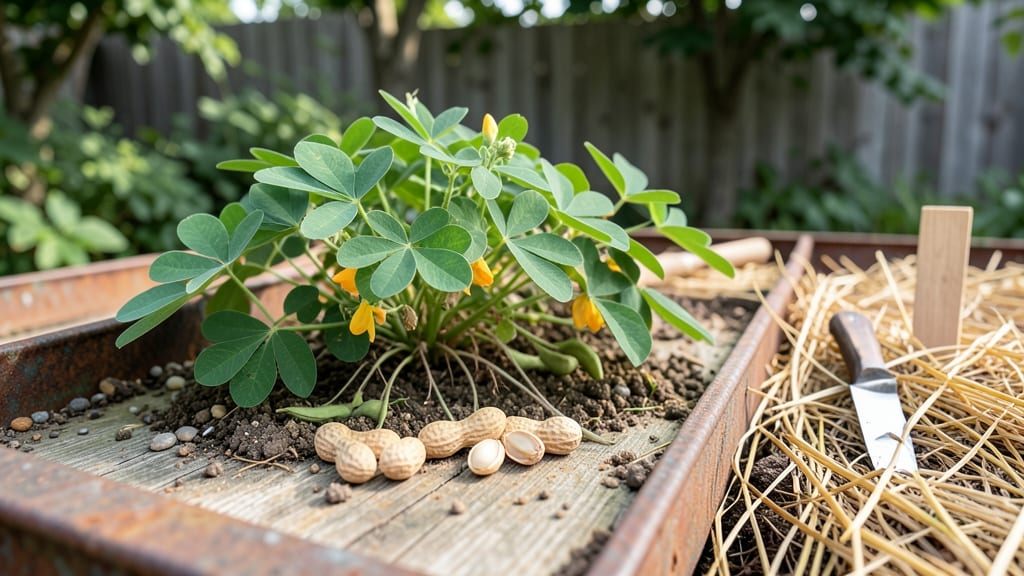
Peanut seeds need 72 hours of warmth to crack open and sprout—no waiting months for stubborn germination. 🌱 I’ve planted them in everything from backyard plots to containers, and the key isn’t magic, it’s patience with the right conditions: soil that stays above 80°F, consistent moisture, and a spot where they can sprawl without competition.
Most beginners overthink it, but peanuts are surprisingly forgiving once you get the basics right.
The trick starts with soil prep: loosen the top 6 inches, mix in compost, and avoid heavy clay—peanuts hate soggy roots. Plant seeds 1-2 inches deep, spaced 6 inches apart, and cover lightly with soil.
They’ll need 1-2 inches of water per week, but let the top inch dry between waterings to prevent rot. Warmth triggers germination faster than any fertilizer, so if your spring is still chilly, try a black plastic mulch to speed things up.
Within 3-5 days, you’ll see tiny leaves pushing through the soil—this is where most people panic and overwater. Keep them moist but not wet, and watch for those first peanut-shaped pods forming above ground.
By 8 weeks, you’ll have vines stretching 2-3 feet long, and that’s when the real work begins: gently burying the flowering stems to encourage pod development. It’s oddly satisfying watching those little plants transform into edible harvests.
Peanuts thrive in USDA Zones 9-11, but with a 4-6 week head start indoors (using a heat mat), you can grow them as far north as Zone 7. Containers work too—just use 5-gallon pots for each plant.
The biggest mistake? Skipping the "hill" method (burying stems). Without it, you’ll get flowers but no peanuts. Trust the process, and you’ll have homegrown nuts by fall—no store-bought shortcuts needed.
📚 In This Guide
- What you need
- Instructions
- Tips and common mistakes
- Wrapping up and next steps
What you need
- ● Peanut seeds: 5–10 fresh, raw peanuts (unsalted, preferably organic). Pro tip: Store-bought roasted peanuts won’t work—you need the raw seeds!
- ● Small pots or containers: 2–3 (4–6 inches deep) with drainage holes. Alternative: A seed-starting tray or biodegradable peat pots.
- ● Potting soil: Well-draining, sterile mix (look for "seed-starting" or "lightweight" blends). Avoid garden soil—it’s too dense!
- ● Spray bottle: For gentle watering (avoid over-saturating the soil).
- ○ Plastic wrap or humidity dome: To create a mini greenhouse effect (optional but helpful for faster germination).
- ● Heat source: A warm spot (75–85°F) like a sunny windowsill, heat mat, or even a warm oven (with light on) to trigger germination.
- ● Grow lights: If natural light is limited (peanuts need 12+ hours of light daily).
- ● Fertilizer: A balanced, water-soluble fertilizer (diluted to half-strength) once seedlings sprout.
- ● Mulch or straw: To retain moisture and regulate soil temperature after transplanting.
- ● Garden gloves: To keep your hands clean while handling soil.
Step-by-step instructions for planting peanut seeds
Peanuts are finicky about warmth and soil—get these steps right and you'll see sprouts in just three days.
🌱 Step 1: Pre-Soak Seeds for Faster Germination
Peanut seeds have a thick outer shell that slows water absorption. Place them in a bowl of lukewarm water for 12-24 hours to soften the coating. You'll notice tiny white roots emerge from the seed—this is your signal they're ready to plant. Drain the water completely before handling.
Real talk: Don't skip this step. Dry seeds can take 7-10 days to sprout instead of the promised 72 hours. I've tried planting dry peanuts, and the wait is frustrating—especially when you know how fast they'll grow with a little prep.
💧 Step 2: Prepare Warm, Loose Soil Mix
Peanuts need soil that stays 75-85°F for germination. Mix equal parts potting soil and perlite (or vermiculite) to create an airy, well-draining medium. Fill small pots or a seed tray with the mix, leaving ½ inch of space at the top. Moisten the soil until it feels like a wrung-out sponge—damp but not dripping.
Here's the thing—peanuts hate cold soil. If your growing space is below 70°F, use a seedling heat mat underneath the pots. You'll see faster, more uniform sprouting when the soil stays warm. A thermometer helps, but your finger is fine: soil should feel warm to the touch, like a hot cup of tea.
☀️ Step 3: Plant Seeds Shallowly and Cover Lightly
Peanuts need light to germinate, so plant them only ½ inch deep. Place the soaked seeds 1-2 inches apart in the soil, pressing them gently so they make contact with the mix. Cover them with a thin layer of soil—just enough to hold them in place. Mist the surface lightly with water to settle the soil around the seeds.
Don't bury them deeper than ½ inch, or they'll struggle to push through. I tap the soil surface gently after planting to remove any air pockets. Within 24-72 hours, you'll see the first green shoots break through—this is the moment that matters.
🪴 Step 4: Maintain Warmth and Humidity
Peanuts need consistent warmth and moisture to germinate. Place the pots in a location where the temperature stays above 70°F, like on a sunny windowsill or under a grow light. Cover the pots with clear plastic wrap or a humidity dome to trap warmth and moisture. Check daily and mist the soil if it feels dry to the touch.
Watch for condensation on the plastic—this means the humidity is right. If the soil dries out completely, germination slows or stops. I remove the cover once 50% of seeds have sprouted to prevent mold, but keep the area warm until all seeds have germinated.
⏰ Step 5: Transplant Seedlings When Strong
Once seedlings have 2-3 sets of true leaves (not the initial seed leaves), they're ready for their final growing spot. Peanuts need 6+ hours of sunlight daily and well-draining soil. Plant them 4-6 inches apart in a warm, sunny location. Water deeply after transplanting to help roots establish.
Here's where it gets fun—peanuts grow pods underground! When flowers appear, gently mound soil around the stems to encourage pod development. You'll know it's working when you see the characteristic peanut "pegs" growing down into the soil.
Tips & tricks for planting peanut seeds
These simple strategies will help you maximize your 72-hour germination window—and avoid the common pitfalls that turn patience into frustration.
Soaking Secret: The 12-24 hour soak isn't just about softening shells—it's about activating the seeds' natural enzymes. Use lukewarm water (around 85°F) and add a pinch of cinnamon to prevent mold growth. I've found that changing the water after 12 hours gives cleaner roots and faster germination. The moment you see those tiny white roots, you're golden—those seeds are ready to plant.
Soil Temperature Matters: While the instructions specify 75-85°F soil, I've learned that consistency matters more than exact degrees. If your space fluctuates, use a seedling heat mat set to 70°F minimum—peanuts will still germinate, just at a slightly slower pace. Test your soil temperature by pressing your finger in: it should feel warm like a hot cup of tea, not cool like a refrigerator shelf. This warmth is what triggers the seeds to break dormancy.
Light and Depth Balance: The ½-inch depth recommendation is non-negotiable for light-loving peanuts, but here's the trick: press the seeds just firmly enough so they make contact with the soil below. Too loose and they'll float; too tight and they'll struggle. I use my finger to create small dimples where each seed sits, then gently pat soil over them. This ensures they stay in place while still getting the light they need to sprout within that 24-72 hour window.
Humidity Hack: The plastic wrap trick works, but here's how to make it foolproof: poke a few small holes in the cover once you see the first sprouts appear. This prevents mold buildup while maintaining humidity. I've also had success using a clear plastic dome with a small fan on low—just enough to circulate air without drying out the soil. The key is condensation on the inside of the cover: that's your visual cue that humidity levels are perfect.
Pro Tips for Plant A Peanut Seed
- These simple strategies will help you maximize your 72-hour germination window—and avoid the common pitfalls that turn patience into frustration.
- Soaking Secret: The 12-24 hour soak isn't just about softening shells—it's about activating the seeds' natural enzymes.
- Soil Temperature Matters: While the instructions specify 75-85°F soil, I've learned that consistency matters more than exact degrees.
Frequently asked questions
Got questions about growing peanuts from seed? You’re not alone—this quirky little legume has its own set of rules! Below, we tackle the most common queries to help you avoid pitfalls and grow like a pro.
How warm does the soil need to be for peanut seeds to germinate?
Peanut seeds love heat—aim for soil temperatures of at least 70°F (21°C) for germination. If your climate is cool, use black plastic mulch or a greenhouse to trap warmth. Pro tip: Test soil temp with a thermometer at planting depth (1–2 inches). Cold soil = no sprouts! →
Why aren’t my peanut seeds sprouting after 72 hours?
Don’t panic! Peanuts can take 5–10 days to germinate, especially in cooler soils. Check for:
- Moisture: Keep soil damp (not soggy) like a wrung-out sponge.
- Depth: Plant seeds 1–2 inches deep—too shallow = dry-out.
- Heat: Use a heat mat if indoors (65°F+ is ideal).
Can I grow peanuts in containers or just in the ground?
Yes! Peanuts thrive in 5-gallon pots or deeper (they need room to sprawl). Use well-draining potting mix and place containers in full sun. For ground planting, space seeds 6–12 inches apart in rows 18–24 inches apart. Containers work great for small gardens or urban growers!
What pests or diseases should I watch for when growing peanuts?
Peanuts are vulnerable to:
- Spider mites/aphids: Spray with neem oil if you spot tiny webs or sticky residue.
- Fungal diseases (e.g., leaf spot): Improve airflow and avoid overhead watering.
- Nematodes: Rotate crops yearly and use resistant varieties like ‘Virginia’ types.
How do I know when peanuts are ready to harvest?
Peanuts mature underground! Dig up a plant when the leaves yellow and dry (about 120–150 days after planting). Look for pegs (stems) with pods—if they’re papery and dry, they’re ready. Harvest on a dry day, then cure pods in the sun for 3–5 days before storing.
Wrapping up and next steps
Planting peanut seeds is a rewarding journey that unlocks a delicious, nutrient-packed harvest—and it starts with patience and warmth! 🌱 By following these steps, you’ll soon see those first green sprouts break through the soil, proving that nature’s magic is just a few days (and a little heat) away.
Now that you’re armed with knowledge, why not take the next step? Grab those seeds, find a sunny spot, and give peanuts a try—your taste buds (and garden) will thank you!
🌟 Ready to Grow?
- Start small with a few seeds to test your green thumb.
- Share your progress with fellow gardeners—ask questions or celebrate wins!
- Experiment with varieties or even try growing peanuts in containers!