
Planting
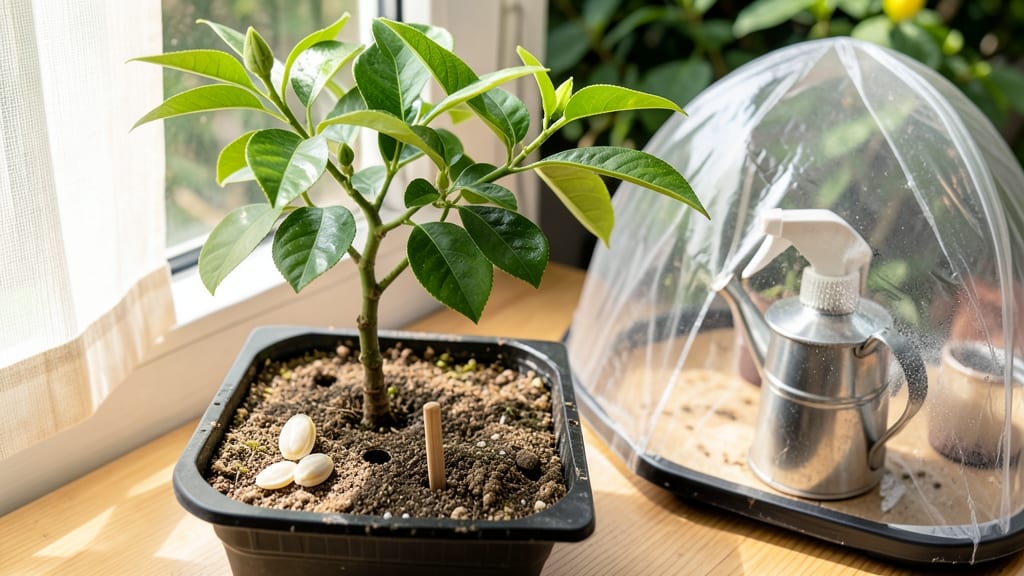
Planting lemon seeds at home unlocks a citrus tree that could fruit in 3-5 years—if you get the germination right. 🌱 I’ve turned store-bought seeds into thriving 3-foot saplings by mastering the balance of moisture, warmth, and patience, and I’ll show you exactly how.
The key isn’t just the seed; it’s the soil, light, and a little trick to break dormancy that most guides skip.
You’ll need just three things: a clean lemon seed (no pulp residue), a small pot with drainage, and a warm spot near a sunny window. No fancy tools—just a spray bottle for gentle watering and a plastic bag to create humidity.
The process takes 3 weeks from planting to first sprouts, but the real magic happens in the first few days when you keep the soil damp but never soggy.
By week three, you’ll see tiny green leaves unfurling, and within months, you’ll have a citrus sapling ready to transplant. The smell of fresh lemon foliage alone makes it worth the wait, and with proper care, you could be harvesting fruit within a few years.
Indoor growers, take note—this method works just as well on a kitchen windowsill as in a greenhouse.
Fair warning: not every seed germinates, and some take longer. But when you see that first shoot break through, you’ll understand why the effort pays off. Here’s how to troubleshoot the common hiccups and keep your little tree on track for success.
📚 In This Guide
- What you need
- Instructions
- Tips and common mistakes
- Wrapping up and next steps
What you need
- ● Lemon seeds: 3–5 fresh, plump seeds (from organic lemons if possible)
- ● Small pots or seed trays: 2–4 (3–4 inches in diameter) with drainage holes
- ● Well-draining potting mix: 1 bag (look for a seed-starting mix or cactus/succulent blend)
- ● Spray bottle: 1 (for gentle watering)
- ● Plastic wrap or humidity dome: 1 (to create a mini greenhouse effect)
- ● Rubbing alcohol (70% or higher): 1 small bottle (for sterilizing seeds)
- ● Paper towels: 2–3 sheets (for pre-germination)
- ● Grow lights or sunny windowsill: Access to 6+ hours of indirect light daily
- ● Seedling heat mat: 1 (speeds up germination, ~70–85°F)
- ● Fertilizer (balanced, low-nitrogen): 1 small bottle (for later stages)
- ● Larger container or garden bed: 1 (for transplanting after 3–6 months)
- ● Pruning shears: 1 (for shaping the tree as it grows)
Step-by-step instructions for growing lemon trees from seeds
Here's how I've turned kitchen scraps into thriving citrus trees—no green thumb required.
🌱 Step 1: Extract and Prepare the Seeds
Start with fresh organic lemons—store-bought seeds often won't germinate. Cut the fruit open and remove the seeds, then rinse them thoroughly under cool water to remove any pulp. I like to soak them in a glass of water for 24 hours to soften the outer coating, which speeds up germination.
After soaking, gently rub the seeds between your fingers to remove the remaining pulp. You'll end up with clean, white seeds ready for planting. The key here is speed—plant them within 2-3 days of extraction for best results. I keep mine in a damp paper towel in the fridge until I'm ready to plant, which helps maintain moisture without rotting.
🪴 Step 2: Choose Containers and Fill With Drainage
Use small pots or seed trays with drainage holes—citrus seeds need excellent airflow to prevent rot. I repurpose yogurt cups with holes poked in the bottom, then place them in saucers. Fill each container with a mix of 50% potting soil and 50% perlite or coarse sand to ensure fast drainage.
Don't pack the soil too tightly—citrus roots need loose, well-aerated soil to establish properly. I press it down just enough to hold the seeds in place, then moisten it lightly with a spray bottle until damp but not soggy. The right moisture level feels like a wrung-out sponge—no puddles, no dryness.
💧 Step 3: Plant Seeds and Maintain Warmth
Plant each seed about ½ inch deep—any deeper and they'll struggle to break through. I use my finger to make small holes, then place 1-2 seeds per container (in case one doesn't sprout). Cover them lightly with soil and mist again until the surface looks evenly damp.
Place the containers in a warm spot—75-85°F is ideal. I use a seedling heat mat under my kitchen windowsill, which keeps the soil consistently warm without extra effort. Cover the pots with clear plastic wrap to trap humidity, but leave them slightly ajar to prevent mold. Check daily for condensation—if you see water droplets, remove the cover for 30 minutes to air it out.
☀️ Step 4: Wait for Germination and Provide Light
Germination takes 2-4 weeks, but you'll notice the soil surface darkening slightly as the seed absorbs moisture. When tiny green sprouts appear, remove the plastic immediately—too much humidity now causes damping-off. I place my seedlings under a grow light for 14 hours daily, keeping it 3-4 inches above the plants.
Watch for leggy growth—this means your light isn't strong enough. If stems stretch toward the window, move the light closer or supplement with a brighter bulb. Strong seedlings have thick stems and dark green leaves. Once they reach 3-4 inches tall, transplant them into individual 4-inch pots with fresh potting mix to encourage root growth.
⏰ Step 5: Transition to Long-Term Care
After 6-8 weeks, your seedlings will need more space. Repot them into 6-inch containers with a mix of potting soil and compost. I use a 70/30 ratio—citrus trees love slightly acidic soil. Water deeply after repotting, then let the top inch dry out before watering again. Overwatering at this stage is the #1 killer of young citrus trees.
Place your young trees in bright, indirect light—south or west-facing windows work best. Rotate the pots weekly so they grow evenly. You'll know they're thriving when new leaves appear every 2-3 weeks. Remember, these trees won't fruit for 3-5 years, but the journey is worth it for that first homegrown lemon!
Tips & tricks for growing lemon trees from seeds
A few simple tricks can make all the difference between a thriving citrus tree and one that fizzles out. Here's what I've learned from years of growing these little scraps into happy plants.
Seed Preparation Secret: The 24-hour soak in water isn't just about softening—it's also a quick germination test. If your seeds float after 24 hours, they're likely non-viable. Only plant the ones that sink to the bottom. I also recommend using a paper towel to blot-dry them after soaking; this prevents mold when you plant them later.
Container Hack: Don't have seed trays? Repurpose clean yogurt cups with drainage holes punched in the bottom. Place them in shallow saucers to catch excess water. For the 50/50 soil mix, I use a simple ratio of 1 part perlite to 1 part potting soil by volume—no fancy measuring required. The key is keeping it loose so roots can breathe.
Warmth Trick: Maintaining that 75-85°F range is crucial, but I've found a simple workaround if you don't have a heat mat. Place your containers on top of your refrigerator (not inside!) or on a sunny windowsill with a space heater nearby. Just monitor the soil temperature with your finger—it should feel warm but not hot to the touch. Too hot and you'll cook the seeds.
Lighting Strategy: For the 14-hour grow light schedule, I set a timer on my phone to remind me when to turn it on and off. If you're using natural light, rotate your seedlings every 2-3 days so they don't grow lopsided. Watch for that telltale leggy growth—it's your plant's way of saying "I need more light!"—and adjust immediately.
Pro Tips for Plant Lemon Seeds At Home
- A few simple tricks can make all the difference between a thriving citrus tree and one that fizzles out.
- Seed Preparation Secret: The 24-hour soak in water isn't just about softening—it's also a quick germination test.
- Container Hack: Don't have seed trays?
Frequently asked questions
about growing lemon trees from seeds—because every gardener has them! Here’s what you need to know before diving in.How long does it take for lemon seeds to sprout?
Lemon seeds typically sprout within 2–4 weeks if kept warm (70–80°F) and moist. Patience is key—some seeds may take up to 6 weeks to crack open. If nothing happens after a month, gently check for mold or rot and replant fresh seeds.
Can I plant lemon seeds straight from the fruit?
Yes! Just rinse the seeds thoroughly to remove pulp, then let them dry for 1–2 days before planting. The key is removing the fruit’s sugars to prevent mold. For faster germination, soak seeds in water for 24 hours before planting.
Will my homegrown lemon tree actually produce fruit?
Most likely, no—but it’s not impossible! Seed-grown lemons are usually non-bearing because they’re not grafted. For fruit, buy a grafted tree or root a cutting from a fruiting lemon tree. Even if it doesn’t bear lemons, the tree makes a stunning houseplant!
What’s the best temperature for lemon seed germination?
Keep seeds in a warm, humid environment (70–80°F). Use a seedling heat mat or place the pot near a sunny window. If your home is cooler, try a clear plastic bag over the pot to trap warmth. Avoid cold drafts—they’ll slow or stop germination.
Why are my lemon seeds rotting?
Overwatering or poor drainage is the usual culprit. Let the soil stay moist but not soggy, and use a pot with drainage holes. If mold appears, remove affected seeds, sterilize the pot with hydrogen peroxide, and replant fresh seeds in dry, sterile soil.
Can I grow a lemon tree in a small apartment?
Lemon trees thrive in containers as long as they get 6+ hours of sunlight daily. Choose a pot at least 12 inches wide and use well-draining soil. Dwarf varieties (like ‘Meyer’ lemons) are perfect for tight spaces—just prune regularly to control size!
Wrapping up and next steps
Growing a lemon tree from seed at home is a rewarding journey that combines patience, care, and a little green thumb magic! 🌱 With the right soil, warmth, and consistent moisture, you’ll be well on your way to nurturing a thriving citrus sapling in just three weeks.
Remember, while store-bought trees offer guaranteed fruit, the joy of watching your own seedling sprout is priceless—and who knows? You might just cultivate a lemon tree that bears fruit in a few years!
Ready to take the next step? Once your seedling is strong and healthy, transplant it into a larger pot or directly into your garden (if your climate allows). Keep an eye on its growth, and soon, you’ll be harvesting homegrown lemons—and maybe even sharing them with friends! 🍋✨