
Planting
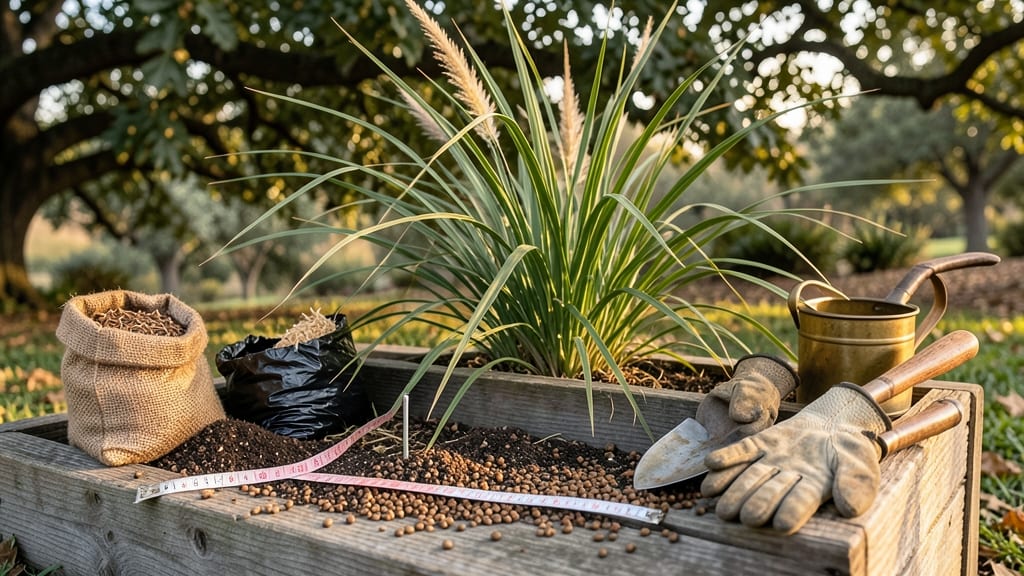
Planting pampas grass seeds outside transforms your sunny yard into a dreamy, textured landscape—if you nail the timing and soil. 🌿 I’ve learned the hard way that these seeds need patience and just the right conditions to break dormancy, but once they do, those iconic fluffy plumes take over like a cloud of cotton candy.
The key is planting them in late summer to early fall, when soil temps drop but frost hasn’t arrived. Scatter seeds on well-drained soil, barely covering them with a sprinkle of sand—too deep and they’ll never surface.
Space them 12-18 inches apart to give their dramatic growth room to shine, and choose a spot where they’ll get full sun (at least 6 hours daily). Water lightly but consistently for the first 3-4 weeks, keeping the soil damp but not soggy.
The first year is all about establishing roots, so resist the urge to fertilize—pampas grass thrives on neglect once settled. By spring, you’ll see those first slender shoots, and by year two, your yard will feel like a coastal escape.
Wind can be the real villain here—young plants flop like overgrown grass in a breeze. Stake them until they’re 12 inches tall, and avoid planting in exposed areas.
Frost sensitivity is another gotcha: mulch heavily in winter if you’re in a colder zone, and don’t panic if growth stalls—pampas grass is a slow but steady grower.
📚 In This Guide
- What you need
- Instructions
- Tips and common mistakes
- Wrapping up and next steps
What you need
- ● Pampas grass seeds – 1–2 packets (check for Cortaderia selloana or Cortaderia jubata varieties).
- ● Garden soil – Well-draining, sandy loam mix (or potting soil for starter pots).
- ● Seed-starting trays or pots – 4–6 inches deep, with drainage holes (or biodegradable peat pots).
- ● Growing medium – Cactus/succulent mix or perlite-peanut hull blend (for fast drainage).
- ● Spray bottle – For gentle watering (avoid over-saturating seeds!).
- ● Plastic wrap or humidity dome – To retain moisture during germination.
- ● Trowel or small shovel – For transplanting seedlings.
- ○ Garden gloves – Optional but highly recommended (pampas grass spines can be sneaky!).
- ● Sunlight – Full sun (6+ hours/day) for both seedlings and mature plants.
- ● Climate – USDA Zones 7–11 (or similar temperate zones). Seeds need warmth (70–80°F) to germinate.
- ● Water access – A drip irrigation system or hose for consistent moisture (but avoid soggy soil!).
- ● Spacious planting area – Pampas grass matures 6–12 feet tall/wide—give it room to spread!
- ● Seedling heat mat – Speeds up germination in cooler climates.
- ● Slow-release fertilizer – Balanced 10-10-10 for young plants.
- ● Mulch (gravel or bark) – Keeps roots cool and reduces weeds.
- ● Pruning shears – For shaping mature plants (once established!).
Step-by-step instructions for planting pampas grass seeds outside
Here's how to grow those iconic fluffy plumes—just follow these simple steps for success.
🌱 Step 1: Choose the Right Location and Prepare the Soil
Pampas grass thrives in full sun, so pick a spot that gets at least 6-8 hours of direct sunlight daily. I always check the area for at least 4-6 hours of afternoon sun—this is when the plants need the most energy to develop those signature plumes. Avoid low-lying areas where cold air settles, as pampas grass is sensitive to frost.
Before planting, loosen the soil to a depth of 12 inches with a garden fork or tiller. Pampas grass has deep roots, so breaking up compacted soil ensures they can establish properly. Mix in a 2-3 inch layer of compost to improve drainage and provide nutrients. The soil should be well-draining but still able to retain moisture—think of it as sandy loam. If your soil is heavy clay, consider planting in a raised bed or large container.
🌱 Step 2: Plant the Seeds at the Correct Depth and Spacing
Pampas grass seeds are tiny but hardy, so plant them ¼ inch deep in the prepared soil. Scatter them lightly over the surface—don’t press them in too firmly, as they need good soil contact but not suffocation. I like to space them 12-18 inches apart in rows that are 2 feet apart to allow for airflow and future growth. This spacing prevents overcrowding, which can lead to weak, leggy plants.
After planting, cover the seeds with a thin layer of soil or a light mulch to protect them from drying out. Water gently but thoroughly to settle the soil around the seeds. You’ll see the first signs of germination in 2-4 weeks if conditions are right. Keep the soil consistently moist but not soggy during this time—overwatering can cause the seeds to rot before they sprout.
☀️ Step 3: Provide Consistent Care for Strong Growth
Once seedlings emerge, reduce watering slightly but keep the soil moist until they’re 3-4 inches tall. At this stage, you can thin them to the strongest 12-inch spacing if they’re too crowded. Pampas grass is drought-tolerant once established, but young plants need regular watering to develop deep roots. Water deeply 1-2 times per week, depending on rainfall, and avoid wetting the foliage to prevent fungal diseases.
Fertilize lightly in the spring with a balanced, slow-release fertilizer (10-10-10 ratio) to encourage lush growth. I skip heavy fertilization—too much nitrogen can make the plants grow too leafy and reduce plume production. Mulch around the base with 2-3 inches of organic mulch to retain moisture and suppress weeds. This is especially important in the first growing season while the roots are still developing.
⏰ Step 4: Prune and Maintain for Fluffy Plumes
In late winter or early spring, cut back the previous year’s growth to 6-12 inches above the ground. This encourages new growth and ensures those iconic plumes develop properly. I always prune just before new shoots appear—you’ll notice fresh green growth emerging from the base within a few weeks. Avoid pruning in fall, as the plant needs the old growth to protect it from winter cold.
Pampas grass is low-maintenance once established, but watch for signs of stress. Yellowing leaves often mean overwatering or poor drainage, while brown tips can indicate underwatering or salt buildup from hard water. If your plants look leggy or sparse, they might need more sunlight—consider moving them to a sunnier spot or dividing them every 3-5 years to rejuvenate growth.
🌿 Step 5: Enjoy and Protect Your Mature Plants
Mature pampas grass plants will produce those signature fluffy plumes in late summer or early fall, typically 2-3 years after planting. To preserve their beauty, leave the plumes in place over winter—they add texture to the landscape and protect the crown from freezing. In late winter, you can cut back the old growth to make room for new shoots.
If you’re in a windy area, consider staking tall plants to prevent them from flopping over. Pampas grass can reach 6-10 feet tall, so taller varieties may need support. With proper care, your plants will thrive for decades, providing year-round interest and that coveted fluffy look. Real talk: once you see those plumes in bloom, you’ll understand why it’s worth the wait!
Tips & tricks for perfect pampas grass planting
Took me a while to figure these out, so here's what nobody tells you about growing those dreamy plumes.
Sunlight Secret: Those 6-8 hours of sunlight are non-negotiable—especially the 4-6 hours of afternoon sun. I learned this the hard way after planting in a spot that only got morning sun. The plumes never fully developed. If you're unsure about sunlight, test your spot for a week first. Place a white plate in the sun—if it's hot to the touch for 6+ hours, it's perfect.
Soil Prep Game-Changer: Don't just scratch the surface when loosening soil to 12 inches deep. Use a garden fork to break up compacted layers all the way down. I've seen people just scratch the top inch—the roots can't establish properly that way. For heavy clay soil, mix in 3-4 inches of compost instead of just 2-3 inches. The extra compost helps break up clay better while still maintaining that sandy loam texture we want.
Germination Timing: The 2-4 week germination window can feel like forever, but there's a trick to speed things up. After planting, cover the area with a thin layer of clear plastic (like a greenhouse sheet) to create a mini greenhouse effect. This keeps moisture consistent and can bring germination down to 10-14 days instead of 4 weeks. Just remember to remove it once sprouts appear to prevent fungal growth.
Watering Wisdom: When keeping soil "consistently moist but not soggy," think of a wrung-out sponge—not dripping wet, not bone dry. I use my finger to check moisture—if the top inch feels dry, it's time to water. For the 1-2 times per week watering schedule, water deeply each time (about 1 inch of water) rather than light frequent waterings. This encourages deep root growth from the start.
Pro Tips for Plant Pampas Grass Seeds Outside
- Took me a while to figure these out, so here's what nobody tells you about growing those dreamy plumes.
- Sunlight Secret: Those 6-8 hours of sunlight are non-negotiable—especially the 4-6 hours of afternoon sun.
- Soil Prep Game-Changer: Don't just scratch the surface when loosening soil to 12 inches deep.
Frequently asked questions
Got questions about growing pampas grass from seed? You’re not alone—this fluffy favorite has a few quirks! Here are answers to the most common concerns to help you plant with confidence.
When is the best time to plant pampas grass seeds outside?
Plant seeds in early spring (after the last frost) or late summer for the best germination rates. Pampas grass thrives in warm soil, so avoid planting in fall if your winters are harsh—cold can stunt young seedlings. If you’re in a mild climate, late summer works too, letting seeds establish before winter.
How often should I water pampas grass seeds after planting?
Keep soil consistently moist but not soggy for the first 4–6 weeks. Water lightly daily if planting in dry conditions, then taper to 2–3 times per week once sprouts appear. Once established, pampas grass is drought-tolerant, but seeds need steady moisture to germinate. Use a spray bottle for delicate seedlings to avoid disturbing them.
Why aren’t my pampas grass seeds germinating? Troubleshooting tips.
If seeds aren’t sprouting, check these common issues:
- Cold soil: Pampas grass needs warmth (60°F+) to germinate. Try a seedling heat mat or wait for spring.
- Too deep: Plant seeds ¼ inch deep max—they need light to sprout.
- Poor soil: Amend with sandy, well-draining mix (they hate soggy roots!).
- Old seeds: Viability drops after 1–2 years. Test a few in a damp paper towel first.
If all else fails, consider transplanting nursery starts for faster results!
Can I grow pampas grass in pots or containers?
Yes! Use a large container (12+ inches deep) with drainage holes and fast-draining soil. Pampas grass has aggressive roots, so pots may need dividing every few years. Place in full sun and water deeply when the top inch of soil dries out. Just know: container-grown plants may stay smaller than in-ground varieties.
Are there easier alternatives to pampas grass for beginners?
If you love the dramatic plumes but want lower maintenance, try:
- Miscanthus (Maiden Grass): Cold-hardy, clump-forming, and less invasive.
- Switchgrass: Native, drought-tolerant, and wildlife-friendly.
- Ornamental Grasses like Fountain Grass: Faster-growing and less aggressive.
Pampas grass is stunning but not for small yards—its seeds spread easily! Choose based on your space and patience for upkeep.
Wrapping up and next steps
Planting pampas grass seeds outside is a rewarding way to add drama and texture to your landscape—just remember to embrace patience and the right conditions! 🌱 With the proper soil prep, spacing, and a little TLC, you’ll soon enjoy those stunning, feathery plumes swaying in the breeze.
Once your seeds sprout and mature, don’t forget to monitor their growth and protect them from harsh winters.
Ready to watch your garden transform? Start small—try a cluster of seeds in a sunny spot—and let nature do the rest. Happy planting! 🌞