
Planting
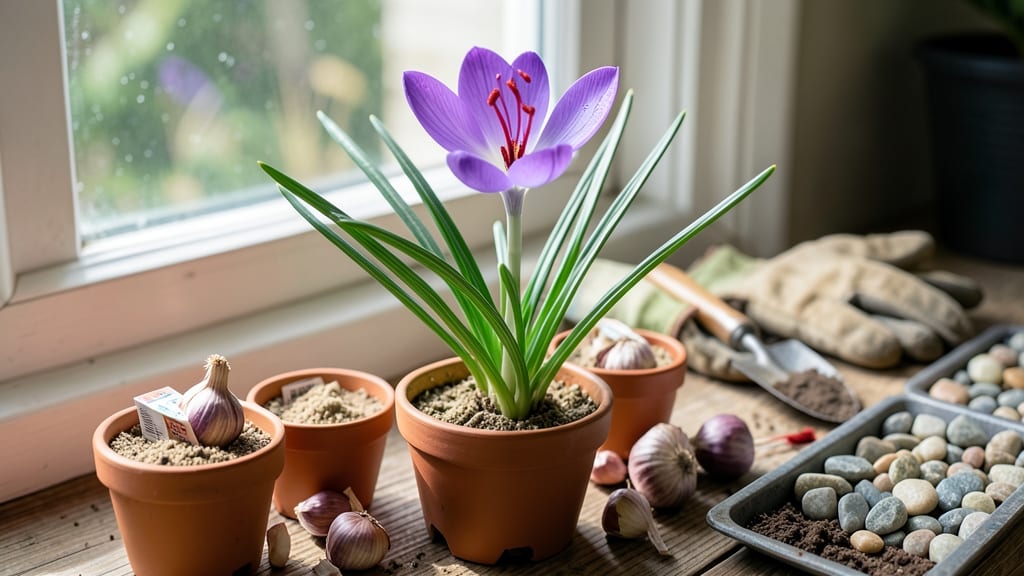
Planting saffron bulbs in pots unlocks a world of fragrant, golden threads without needing a garden. 🌱 I’ve grown saffron in containers for three years now, and the secret lies in mimicking its natural Mediterranean habitat—well-draining soil, bright light, and just enough moisture to keep the roots happy but never soggy.
The bulbs need a 6-inch-deep pot with drainage holes, a mix of 50% potting soil and 50% perlite or sand, and a spot with at least 6 hours of sunlight daily.
Plant them 2 inches deep, spacing them 3-4 inches apart—saffron thrives in crowds, not solitude. Water lightly after planting, then let the soil dry slightly between waterings.
By late summer, you’ll see the familiar purple-tipped flowers emerge, and with each bloom comes the potential for harvesting saffron threads—just 3-5 threads per flower, but each one packed with flavor and color.
The bulbs are hardy enough to survive winter indoors, so you can enjoy this year-round harvest with minimal fuss.
Where most bulbs fade after flowering, saffron rewards patience: the more you harvest correctly, the more robust the plant becomes. Just watch for rot (too much water) or yellowing leaves (not enough light), and you’ll be golden—literally—in no time.
📚 In This Guide
- What you need
- Instructions
- Tips and common mistakes
- Wrapping up and next steps
What you need
- ● Saffron bulbs (corms): 3–5 bulbs per 6-inch pot (or 1 bulb per 4-inch pot). Choose Crocus sativus for authentic saffron.
- ● Well-draining potting mix: 1–2 bags of cactus/succulent mix or a blend of 60% potting soil + 40% perlite/sand.
- ● Containers: Terracotta or plastic pots with drainage holes (minimum 6 inches deep). Ensure they’re at least twice as wide as the bulbs.
- ● Drainage layer: Small pebbles, gravel, or broken pottery shards (1–2 inches thick) for the pot’s base.
- ● Watering can or spray bottle: With a fine rose attachment for gentle hydration.
- ○ Fertilizer (optional but helpful): A balanced 5-5-5 or 10-10-10 granular fertilizer (use sparingly—saffron prefers lean soil!).
- ● Mulch (e.g., straw or pine needles) to retain moisture and regulate temperature.
- ● Label markers to track planting dates (saffron takes 8–10 months to mature!).
- ● Grow lights (if indoors) to supplement 12+ hours of light daily during shorter days.
- ● A humidity tray (for indoor setups) to mimic saffron’s Mediterranean climate.
Step-by-step instructions for planting saffron bulbs in containers
Harvesting saffron at home is simpler than you think—here’s my foolproof container method.
🪴 Step 1: Select and Prepare Your Containers
Choose containers with drainage holes that are at least 6 inches deep—saffron corms need room to establish roots without waterlogging. I prefer terracotta pots because they breathe and help prevent rot, especially in cooler months. For four plants, use one 12-inch pot or four 6-inch pots—just ensure each has at least 3 inches of drainage space below the corms.
Fill the bottom 2 inches with gritty, well-draining mix (I blend equal parts perlite and coarse sand). This layer prevents soggy roots while allowing excess water to escape. Skip garden soil entirely—saffron corms rot in dense, compacted media. Tap the container gently to settle the mix before adding corms.
🌱 Step 2: Plant Corms at the Correct Depth and Spacing
Place saffron corms with the pointy end up—this is where the flower stalk will emerge. For 6-inch pots, plant one corm per container; for larger pots, space 3-4 corms 2-3 inches apart. Bury them 2 inches deep—shallower planting leads to weak stems, while deeper planting delays flowering. Gently firm the soil around them to eliminate air pockets.
Here’s the thing—saffron corms aren’t true bulbs. They’re actually thickened stems (corms) that produce one flower per stalk. Each flower yields three precious stigmas, so spacing matters. Overcrowding reduces yield, but don’t fret—even a single corm in a pot will reward you with dozens of threads over time.
☀️ Step 3: Provide the Right Light and Temperature Conditions
Saffron thrives in full sun (6-8 hours daily) but tolerates partial shade in hot climates. Place pots where they’ll receive morning sun and afternoon shade if temperatures exceed 85°F. I keep mine on a south-facing balcony during summer, moving them to a bright indoor windowsill (south or west exposure) in winter.
Temperature is critical: corms need a cool dormant period to flower. After planting, maintain 60-70°F during active growth. In late fall, reduce temperatures to 50-60°F for 8-10 weeks to trigger flowering. This mimics their natural Mediterranean cycle. If you live in a warm climate, move pots to a garage or unheated shed during winter.
💧 Step 4: Water and Fertilize for Optimal Growth
Water sparingly—saffron hates soggy roots. Keep soil evenly moist but never waterlogged, especially during dormancy. I water once every 10-14 days in winter and every 5-7 days in active growth (spring/fall). Let the top inch of soil dry out between waterings—this prevents rot while encouraging deep root growth.
Fertilize lightly: Use a balanced 10-10-10 fertilizer at half strength once in early spring and again after flowering. Avoid high-nitrogen feeds—saffron craves phosphorus and potassium for robust corms and flower production. I skip fertilizer entirely in the first year to let corms establish without stress.
⏰ Step 5: Harvest and Care for Next Year’s Crop
Harvest time arrives in late fall (October-November) when flower stalks emerge. Each stalk produces one flower—gently twist the flower off the stem (don’t pull it) to avoid damaging the corm. Remove the three deep red stigmas and lay them flat on parchment paper to dry in a dark, well-ventilated spot for 2-3 weeks. Store dried stigmas in an airtight container—they’ll keep for years.
After flowering, reduce watering and let the corms dry out completely before storing. In late winter (February), repot corms into fresh, well-draining mix and resume watering. Over time, each corm will produce 2-3 offsets, which you can separate and replant. This is how you build a self-sustaining saffron garden—no need to buy new corms every year.
Tips & tricks for perfect saffron container cultivation
These simple but game-changing insights will help you avoid common pitfalls and maximize your saffron harvest.
Container Selection Wisdom: While terracotta pots are ideal, you can also use fabric grow bags or plastic containers with drainage holes drilled in the bottom. The key is ensuring that bottom 3 inches of space allows excess water to escape completely—this prevents the root rot that saffron corms dread. I've had great success with 1-gallon nursery pots for single corms, as they provide ample room without being too bulky.
Drainage Layer Detail: That 2-inch gritty mix layer at the bottom isn't just about drainage—it's about creating an oxygen-rich zone where saffron roots can establish. For even better results, add a handful of horticultural charcoal to this layer. It helps prevent bacterial buildup and keeps the mix fresh longer. Just be sure to maintain the equal parts perlite and coarse sand ratio from the instructions.
Temperature Transition Strategy: The 8-10 week cool period (50-60°F) required to trigger flowering can be tricky in warm climates. If you can't move pots to a garage, try placing them in a shaded, well-ventilated area and misting with water daily to create a cooler microclimate. Alternatively, you can use frost blankets during the day to lower temperatures without direct cold exposure, which saffron corms don't tolerate well.
Harvesting Precision: When harvesting those three precious stigmas, work quickly but gently. Use a pair of clean, sharp scissors to trim the stigmas just above the flower base—this prevents accidental damage to the corm. Place them immediately on parchment-lined baking sheets rather than directly on paper towels, as the parchment prevents them from sticking and makes drying more efficient. Remember, each flower produces only three stigmas, so treat them like the gold they are.
Pro Tips for Plant Saffron Bulbs In Pots
- These simple but game-changing insights will help you avoid common pitfalls and maximize your saffron harvest.
- Container Selection Wisdom: While terracotta pots are ideal, you can also use fabric grow bags or plastic containers with drainage holes drilled in the bottom.
- Drainage Layer Detail: That 2-inch gritty mix layer at the bottom isn't just about drainage—it's about creating an oxygen-rich zone where saffron roots can establish.
Frequently asked questions
Got questions about growing saffron in pots?
You’re not alone! Here are the most common queries—and their answers—to help you cultivate your own purple gold with confidence.
When is the best time to plant saffron bulbs in pots?
Plant saffron corms (bulbs) in early fall, about 6–8 weeks before the first frost (typically September–October in most U.S. zones). This gives roots time to establish before winter dormancy. If you miss the window, plant in late winter (February–March) for a spring harvest—but expect a smaller yield.
Can saffron survive winter in pots?
Yes! Saffron is hardy to USDA Zone 6–9 and thrives in pots if you take precautions. Move pots to a cool, dark place (like a garage or unheated shed) when temps drop below 40°F (4°C). Ensure pots have drainage holes to prevent rot. In colder zones, mulch with straw or use a frost cloth for extra protection.
How often should I water potted saffron?
Water sparingly—saffron hates soggy soil. Keep the soil lightly moist but never waterlogged. During active growth (spring–summer), water once a week or when the top inch of soil feels dry. In winter, reduce watering to once every 2–3 weeks or let the soil dry out completely.
Why aren’t my saffron flowers opening?
Saffron flowers are fragile and sensitive to stress. Common culprits include:
- Too much sunlight (they prefer partial shade, especially in hot climates).
- Overcrowded corms—dig up and separate bulbs if they’re packed tightly.
- Nutrient deficiency—feed with a balanced fertilizer (10-10-10) in early spring.
- Improper dormancy—ensure pots stay cool and dry in winter.
Can I grow saffron indoors?
While possible, it’s challenging due to light and space needs. Saffron thrives outdoors with 6+ hours of sunlight daily. If growing indoors:
- Use a south-facing window or grow lights (12–14 hours/day).
- Keep pots in a cool room (60–70°F / 15–21°C).
- Expect smaller yields—outdoor pots produce more vibrant flowers.
Wrapping up and next steps
Growing saffron in pots is a rewarding journey that brings a touch of luxury and color to your space—literally! With the right soil, containers, and care, you’ll soon be harvesting those precious golden threads. Remember, patience is key, as saffron thrives with time and consistency.
Now that you’re ready to plant, take the next step: monitor your bulbs closely and enjoy the magic of nurturing this rare crop. Before you know it, you’ll be savoring the aroma of saffron-infused dishes—bonus points if you share the harvest with friends! 🌱✨