
Planting
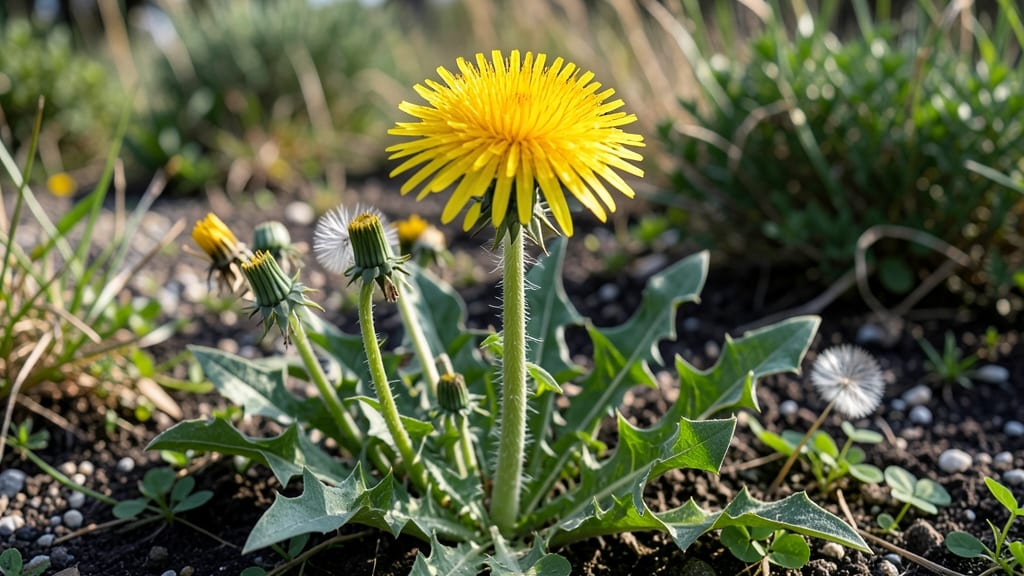
Growing large dandelion-like plants transforms any yard into a lush, wildflower meadow. 🌻 These bold beauties—like coltsfoot, giant dandelions, or oxeye daisies—thrive with minimal fuss while packing dramatic foliage and cheerful blooms. Their deep roots tolerate drought, and their bright yellow flowers attract pollinators all season.
The secret to their success lies in well-draining soil and full sun—just like their wild cousins. Plant in early spring or fall, spacing them 12-18 inches apart for that natural, overgrown look. They’re perennials, so once established, they’ll return year after year with less effort than most garden plants.
By mid-summer, you’ll have a sea of golden blooms swaying in the breeze, creating privacy and texture that no manicured hedge ever could. These plants also suppress weeds naturally, reducing your maintenance workload. Perfect for cottage gardens, wildflower meadows, or even as statement plants in large containers. Let’s get growing!
Why Overgrown Foliage Takes Over
If you’ve ever spotted towering, dandelion-like plants dominating your garden or yard, you’re not alone. These robust, sun-loving volunteers often pop up where they’re least wanted—crowding out prized plants, clogging walkways, and turning a tidy landscape into a wildflower jungle.
But why do they grow so aggressively? The answer lies in a mix of biology, environmental cues, and even human habits. Let’s break down the key reasons behind their relentless spread.
Many dandelion-like plants—such as Taraxacum officinale (common dandelion), Sonchus oleraceus (sow thistle), or Hieracium spp. (hawkweeds)—are perennials with deep taproots. These roots can stretch 10+ feet underground, accessing water and nutrients long after other plants have withered. Their resilience isn’t just luck; it’s evolution in action.
- Deep root systems let them survive droughts, compacted soil, and even light foot traffic.
- Rapid regrowth from even a small root fragment means mowing or trimming often backfires—you’re just encouraging more growth.
- Early blooming (often in late winter) gives them a head start on sunlight, outcompeting slower-growing plants.
Actionable tip: If you’re dealing with these plants, never pull them by the stems—always dig out the entire taproot to prevent regrowth. A garden fork or dandelion digger makes this easier.
Dandelion-like plants thrive in full sun (6+ hours daily) and poor, disturbed soil. They’re the ultimate opportunists, flourishing where lawns struggle or where soil is nutrient-depleted. Here’s why:
| Factor | Why It Helps Them |
|---|---|
| Sunlight | They grow taller and faster in bright light, shading out competitors. Even partial sun encourages leggy, weak stems that still produce seeds. |
| Poor Soil | While they tolerate clay, sand, or rocky soil, they avoid competition by dominating areas where other plants can’t grow. Their seeds lie dormant until conditions are ideal. |
| Disturbed Ground | Construction, foot traffic, or even aerating a lawn creates gaps they exploit. Their seeds germinate quickly in loose soil. |
Pro tip: Improve soil health with compost or mulch to crowd out weeds naturally. A thick layer of cardboard + mulch (the "lasagna method") smothers seeds before they sprout.
One puff of wind, and a single dandelion can release up to 200+ seeds that travel miles. But they’re not just hitchhiking on breezes—birds, squirrels, and even lawnmowers help distribute their seeds. Here’s how:
- Wind-dispersed seeds have parachute-like pappus that stays aloft for weeks, landing in cracks, driveways, and garden beds.
- Animal ingestion: Birds eat the seeds (thinking they’re insects) and excrete them elsewhere. One study found dandelion seeds in bird droppings up to 30 feet from the parent plant!
- Mowing and tilling buries seeds shallowly, tricking them into germinating when they’re brought back to the surface.
✨ Prevention hack: Deadhead flower heads before they go to seed (wear gloves—the sap can irritate skin!). For large areas, a seed-eating bird feeder (like one for goldfinches) can reduce natural spread.
Sometimes, the problem isn’t nature—it’s us. Common gardening mistakes accidentally create the perfect conditions for dandelion-like invaders:
- Overwatering lawns: Keeps soil moist year-round, encouraging weed seeds to germinate.
- Using herbicides selectively: Spraying broadleaf weeds but missing dandelions leaves them unchecked.
- Ignoring bare spots: Empty patches in mulch beds or between pavers become weed magnets.
- Composting yard waste: If your compost pile gets too hot, dandelion seeds may survive and reinfest your garden.
💡 Smart fix: Switch to pre-emergent herbicides in early spring (like corn gluten meal) to block seeds before they sprout. For organic control, hand-pull weeds weekly—consistency beats sporadic efforts.
Temperature and rainfall play a huge role in their lifecycle. Dandelions, for example, germinate best in cool (50–85°F) but not freezing conditions. Here’s how seasons affect them:
| Season | Impact on Growth |
|---|---|
| Spring | Seeds germinate early, taking advantage of moist soil and weak competition from dormant perennials. |
| Summer | Drought-tolerant roots keep them alive, while shallow-rooted plants (like clover) wilt. |
| Fall | Nutrient runoff from fallen leaves fertilizes them, boosting root storage for winter. |
| Winter | Some species (like sow thistle) die back but resprout from roots as soon as temps rise. |
🎯 Timing is everything: Apply post-emergent herbicides in late summer when weeds are actively growing but before they set seed for next year.
Taming Unruly Tall Greens
If your yard has taken over by towering, dandelion-like plants—whether they’re wild giants or intentionally planted but out of control—don’t panic! These bold, leafy invaders can be managed (or even repurposed) with the right strategies.
Below, we’ll tackle the most common causes of their rampant growth and provide practical, step-by-step fixes, plus tips to keep them in check for good.
Cause: Dandelion-like plants (think taraxacum, sow thistle, or even ornamental varieties) spread aggressively via wind-dispersed seeds. One plant can produce thousands of seeds per year, turning your garden into a fluffy, yellow takeover.
Fix It: 🔥 Pull Early, Pull Often
- Best time to act: When plants are young and moist (after rain or morning dew).
- How to pull: Grasp the base just below soil level and wiggle gently. Use gloves—some plants (like sow thistle) have prickly stems!
- Pro tip: 💡 For stubborn roots, use a dandelion weeder tool (or a butter knife) to slice roots deeper underground.
🍳 Smother or Mulch
- Cover bare soil with cardboard + mulch (6+ inches thick) to block sunlight and prevent seed germination.
- Living mulch: Plant dense ground covers (like creeping thyme or clover) to outcompete weeds naturally.
👨🍳 Prevent Seed Dispersal
- Bag and bin: If you must pull mature plants, seal seeds in a trash bag—never let them go to seed!
- Mow high: If leaving some greenery, set your lawnmower to 3–4 inches to weaken weed growth.
Cause: Nutrient-poor or compacted soil encourages fast, leggy growth in dandelion-like plants. They thrive where grass or perennials struggle.
Fix It: 🔪 Aerate and Amend
- Core aeration (rent a machine or hire a pro) to break up compacted soil.
- Add organic matter: Mix in compost or aged manure (2–3 inches) to improve drainage and fertility.
🌡️ Adjust pH for Competition
- Test soil pH (kits cost $10). Dandelions love slightly acidic to neutral soil (6.0–7.0).
- Raise pH (if too acidic): Sprinkle lime in fall.
- Lower pH (if too alkaline): Add sulfur or peat moss.
🎯 Choose Stronger Companions
- Plant competitive ground covers like:
- Clover (fixes nitrogen, crowds out weeds)
- Creeping Jenny (fast-spreading, shade-tolerant)
- Hostas or ferns (shade-loving perennials that suppress weeds)
Cause: Dandelion-like plants often pop up in overwatered lawns (where grass struggles) or dry, cracked soil (where they dominate).
Fix It: ⏰ Water Deeply, Less Often
- Lawns: Water 1–1.5 inches per week (including rain). Deep watering encourages grass roots to outcompete weeds.
- Garden beds: Water at the base of plants (not overhead) to avoid wetting weed seeds.
🥗 Drip Irrigation for Targeted Care
- Install soaker hoses or drip lines to deliver water only where you want plants to grow.
- Bonus: Reduces evaporation and fungal issues.
- 💡 Seedless varieties: Opt for non-flowering ornamental grasses (like Miscanthus ‘Gracillimus’) if you love the look but hate the spread.
- 🔥 Vinegar spray (for driveways/walkways): Mix 1 gallon vinegar + 1 oz dish soap and spray directly on leaves (avoid desirable plants—it’s non-selective!).
- 🌡️ Solarization: In hot climates, cover soil with clear plastic for 4–6 weeks to kill weed seeds with sun heat.
- 🎯 Regular “weed walks”: Spend 10 minutes weekly pulling new sprouts before they mature.
Remember: Even “weeds” have their place! If you’re growing these plants intentionally (for privacy screens or bold foliage), channel their energy by harvesting leaves for salads (young dandelion greens are edible!) or drying flowers for tea. When managed, they can be stunning—and useful—rather than a nuisance.
Frequently asked questions
What are the most common large dandelion-like plants I might find in my yard?
You’re likely dealing with species like common dandelion (Taraxacum officinale), which grows 10-15 inches tall, or sow thistle (Sonchus oleraceus), which can reach 3-4 feet and has spiky leaves. Other possibilities include coltsfoot (Tussilago farfara) with fuzzy basal leaves and oxeye daisy (Leucanthemum vulgare), which has white petals and yellow centers.
Are these large dandelion-like plants edible or safe for my garden?
Many are edible! Young dandelion leaves and flowers make excellent salads, while coltsfoot leaves can be cooked like spinach. However, sow thistle contains toxic compounds and should never be eaten. For garden safety, remove any plants you're unsure about. If you want edible options, consider planting ornamental dandelions (Leucanthemum) or chicory instead of letting wild varieties take over.
How can I tell the difference between a dandelion and a sow thistle?
Dandelions have deeply lobed, toothed leaves and produce a single yellow flower that turns into a puffball. Sow thistle leaves are smooth and arrow-shaped, with milky sap when broken, and grow in branching clusters. The key difference: dandelions have one flower per stem, while sow thistle has many small yellow flowers in a dense cluster.
Will these plants spread if I plant them intentionally in my garden?
Yes, most will! Even ornamental varieties can self-seed aggressively. To control spread, deadhead flowers before they go to seed or choose sterile cultivars (like ‘White Swan’ oxeye daisy). For large plants, consider container growing or using them as privacy screens along fences where spread won't be problematic.
What's the best organic way to remove established large dandelion-like plants?
For organic removal, use the vinegar method: Mix 1 gallon white vinegar + 1 oz dish soap and spray directly on leaves (avoid desirable plants). For deep roots, solarize soil by covering with clear plastic for 4-6 weeks in hot weather. The most reliable method is hand-pulling with a dandelion weeder tool—just be sure to remove the entire taproot to prevent regrowth.