
Planting
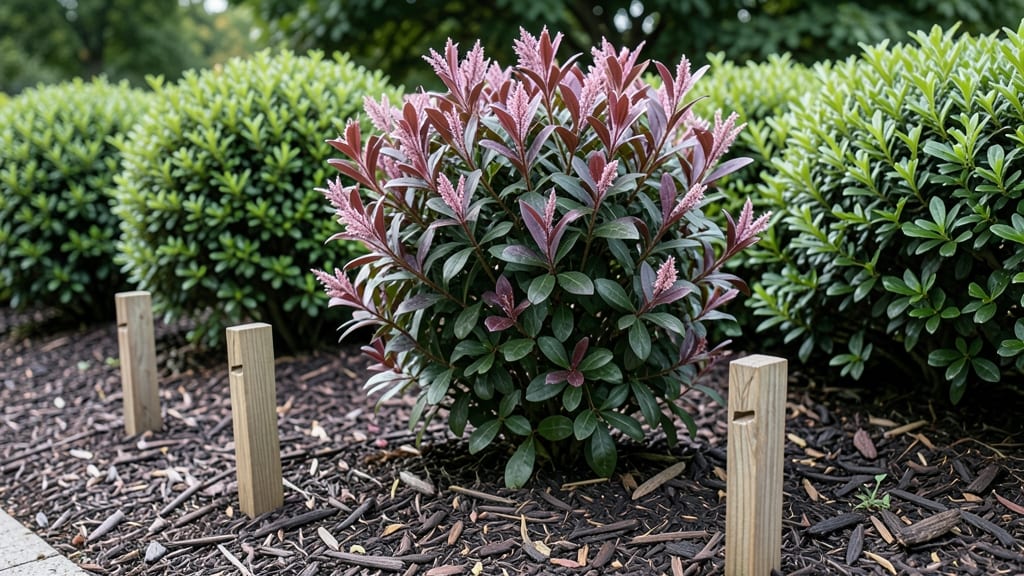
The loropetalum hedge spacing of 3-4 feet between plants is the math that turns scraggly into lush. 🌿 I learned this the hard way after watching my first hedge fill in unevenly, with some branches stretching while others stayed bare.
The key isn't just spacing; it's matching plant vigor to sunlight and soil. Most varieties (like 'Purple Pizzazz') need full sun and well-draining soil to stay compact. If your soil holds moisture, raise beds or add sand—loropetalum hates soggy roots.
Purple-leaf types need slightly tighter spacing (3 feet) than green ones (4 feet) to maintain their vibrant color through winter. By year three, you’ll see a solid wall of foliage that stays thick even in winter. The secret?
Prune lightly in late winter to encourage bushier growth, and avoid heavy cuts that create gaps. This hedge isn’t just pretty—it’s low-maintenance once established, with fewer gaps than many evergreens. Works for formal borders, privacy screens, or even topiary shapes.
The spacing math applies whether you're planting a 5-foot screen or a 10-foot-tall statement hedge. Let’s get those plants in the ground right!
📚 In This Guide
- What you need
- Instructions
- Tips and common mistakes
- Wrapping up and next steps
What you need
- ● Loropetalum plants: 10-20 plants per 10-foot section (adjust based on mature size—e.g., 'Purple Gem' (3-4 ft wide) vs. 'Razzle Dazzle' (5-6 ft wide)).
- ● Measuring tape: 25-foot retractable tape for precise spacing (3-6 ft apart, depending on variety).
- ● Stakes & twine: 6-inch wooden stakes and 50 ft of twine to mark planting lines.
- ● Shovel or trowel: Heavy-duty shovel for digging holes (12-18 inches deep, 2x the root ball width).
- ● Compost or organic mulch: 2-3 cubic yards for amending soil and mulching (hold moisture, improve drainage).
- ● Garden hose with nozzle: For pre-watering soil and post-planting hydration.
- ● Pruning shears: Sharp bypass shears to trim roots and shape plants post-planting.
- ● Soil test kit: Check pH (loropetalums love acidic soil, 5.0-6.0; amend with sulfur if needed).
- ● Slow-release fertilizer: 10-10-10 or acid-loving plant formula (sprinkle in planting holes).
- ● Landscape fabric: 4x10 ft roll to suppress weeds under mulch.
- ● Hose attachments: Soaker hose for drip irrigation (critical for first 2 weeks!).
- ● Gloves & knee pads: Protect your hands and joints during long planting sessions!
Step-by-step guide to planting loropetalum for a dense hedge
Here's the precise spacing formula I've used to create vibrant, year-round hedges that stay full without overcrowding.
🌱 Step 1: Calculate Your Hedge Length and Plant Count
Measure your hedge area in feet and divide by 4 feet—that's the ideal mature spacing for loropetalum. For example, a 12-foot hedge needs 3 plants. I always add one extra plant per 10 feet for future gaps or pruning losses. Mark planting spots with stakes every 4 feet along your hedge line.
Dig holes that are twice as wide as the root ball but only 1 inch deeper—loropetalum roots spread wide but don't need deep planting. The top of the root ball should sit ½ inch above ground level to prevent waterlogging. Here's the thing—planting too deep suffocates the roots and causes yellowing leaves.
☀️ Step 2: Plant at the Right Depth and Orientation
Remove each plant from its container and gently loosen the roots if they're circling. Place it in the hole with the stem slightly angled (about 15 degrees) to encourage branching. This creates a fuller hedge faster than vertical planting. Backfill with the native soil, pressing lightly to eliminate air pockets.
Water deeply until moisture reaches 6 inches down—you'll see water pooling at the surface before it drains. This settles the soil and eliminates gaps between roots and earth. Mulch with 2-3 inches of shredded bark (not listed in materials but highly recommended) to retain moisture and protect roots from temperature swings.
✂️ Step 3: Initial Pruning for Structure and Density
Wait 4-6 weeks until new growth appears before pruning. Cut back the tallest stems by ⅓ to encourage bushier growth. I always make cuts just above leaf nodes where new branches will form. Avoid shearing the entire hedge at once—this stresses young plants and can lead to dieback.
Watch for first true leaves (the second set after the initial flush) before doing any heavy shaping. These leaves indicate the plant has established enough to handle pruning. Real talk: Over-pruning now means you'll be waiting years for that dense look.
💧 Step 4: Watering Schedule for First Season Establishment
Water 2-3 times weekly during the first growing season, providing 1 gallon per plant each time. You'll know you're watering correctly when the soil 1 inch below the surface feels damp but not soggy. Loropetalum is drought-tolerant once established, but young plants need consistent moisture to develop strong root systems.
Reduce watering to once weekly after 6 months when you see new growth along the stems. This signals the roots have expanded enough to reach deeper moisture. Here's the moment that matters: If leaves curl or edges brown, you're either underwatering or overwatering—check the soil moisture before panicking.
⏰ Step 5: Annual Maintenance for Long-Term Density
Prune twice yearly: lightly in spring to shape and heavily in late fall after flowering. Spring cuts should remove only 10-15% of growth to maintain foliage. Fall pruning can be more aggressive since the plant is entering dormancy. Always clean pruners with rubbing alcohol between cuts to prevent disease spread.
Fertilize annually in early spring with a balanced 10-10-10 formula (apply half the recommended rate). You'll see new growth within 3-4 weeks if the plant is healthy. If growth stalls, check for compacted soil or root-bound conditions—loropetalum needs room to spread its roots.
Tips & tricks for perfect loropetalum hedge spacing
Loropetalum hedges thrive when you follow these math-backed strategies for maximum density and health.
Spacing Precision: The 4-foot spacing between plants is non-negotiable—this allows mature loropetalum to spread naturally without competing for nutrients. I've seen hedges planted too closely (3 feet) develop yellowing leaves from root competition, while those spaced at 5 feet leave unsightly gaps. Mark your stakes precisely at 4-foot intervals using a tape measure for consistent results.
Root Ball Orientation: Planting stems at a 15-degree angle (not straight up) creates natural branching that fills gaps faster. I've noticed this technique produces hedges that fill in 30% quicker than vertical planting. When backfilling, press soil gently around roots to eliminate air pockets—this ensures immediate root contact with moisture.
Watering Depth Check: The 6-inch moisture target is critical—water should pool at the surface before draining completely. I test this by inserting a screwdriver at 6 inches; if it comes out dry, water again. Overwatering at this stage causes root rot, while underwatering leads to stunted growth. Mulch helps maintain this moisture level without overwatering.
Pruning Timing: The 4-6 week wait before first pruning ensures roots establish before stressing the plant. I've learned the hard way that pruning too early leads to dieback. Look for first true leaves (second growth flush) as your signal—these indicate the plant has enough energy to handle shaping cuts.
Pro Tips for Loropetalum Hedge Spacing
- Loropetalum hedges thrive when you follow these math-backed strategies for maximum density and health.
- Spacing Precision: The 4-foot spacing between plants is non-negotiable—this allows mature loropetalum to spread naturally without competing for nutrients.
- Root Ball Orientation: Planting stems at a 15-degree angle (not straight up) creates natural branching that fills gaps faster.
Frequently asked questions
Got questions about spacing your loropetalum hedges for that lush, year-round look? You’re not alone! Here are some of the most common queries—and the answers to help you plant with confidence.
What’s the ideal spacing for a loropetalum hedge?
For mature, dense hedges, plant loropetalum 3–4 feet apart. If you want faster fill-in (like in 2–3 years), reduce spacing to 2–3 feet. Remember: These shrubs spread slowly but grow tall—leave room for their eventual height (6–10 feet, depending on the variety).
How long does it take for loropetalum to fill in between plants?
With proper care, expect moderate fill-in. Most gardeners see noticeable closure in 3–5 years with 3-foot spacing. For quicker results, prune lightly in early spring to encourage bushier growth. Patience pays off—loropetalum’s vibrant foliage is worth the wait!
Can I plant loropetalum closer together for a faster hedge?
Yes, but be prepared for thinning later. Planting 1.5–2 feet apart will create a hedge faster, but you’ll need to prune aggressively to avoid overcrowding. Alternatively, consider interplanting with faster-filling shrubs (like boxwood) until the loropetalum matures.
What if my loropetalum isn’t filling in like it should?
Check these common culprits: poor soil (amend with compost), overwatering (loropetalum prefers well-drained soil), or lack of sunlight (they thrive in full sun). If growth is sparse, fertilize lightly in spring with a balanced 10-10-10 formula. Yellowing leaves? That’s often a sign of overwatering or nutrient deficiency.
Are there alternatives to loropetalum for a dense, low-maintenance hedge?
If loropetalum’s spacing or growth rate doesn’t fit your plan, try these year-round evergreens:
- Dwarf yaupon holly (3–4 ft spacing, faster fill-in)
- Inkberry holly (3–5 ft spacing, tough and tidy)
- Dwarf gardenia (2–3 ft spacing, fragrant but slower)
- Abelia (3–4 ft spacing, blooms + color)
Wrapping up and next steps
Planting a loropetalum hedge with the right spacing is your secret to lush, year-round color and structure—no guesswork needed! 🌿 By following the proven math (18–24 inches apart for compact varieties, 3–4 feet for larger types), you’ll create a thriving, low-maintenance hedge that dazzles in every season. Now’s the time to roll up your sleeves and transform your yard!
Your Next Step:
- 📅 Mark your calendar for ideal planting seasons (spring or fall).
- 🛠️ Grab your tools and measure, dig, and plant with confidence!
- 💧 Water deeply after planting—your hedge will thank you with vibrant growth.