
Planting
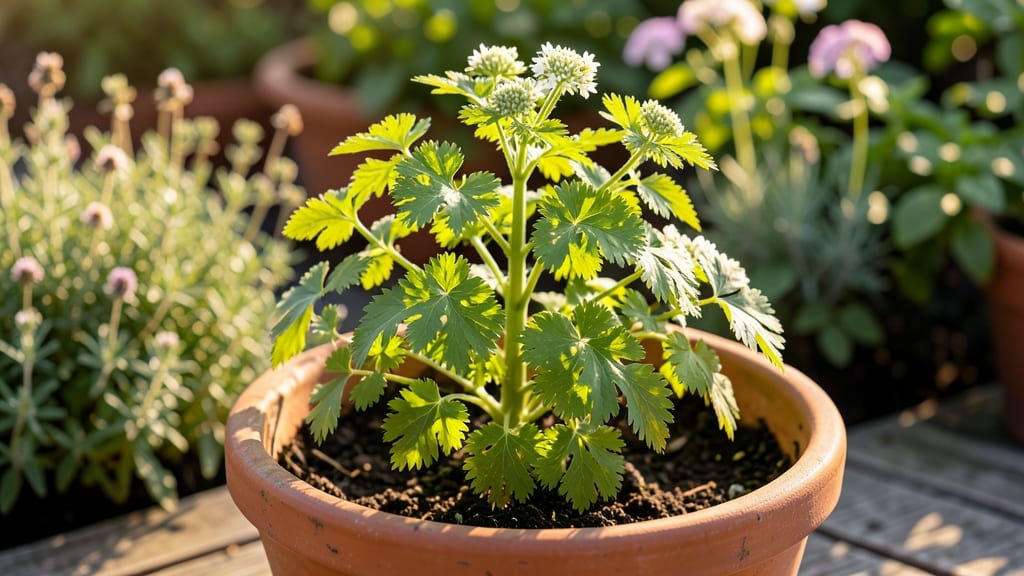
A mature cilantro plant delivers the boldest, most pungent leaves you'll ever taste—if you know how to handle it. 🌿 I've learned the hard way that cilantro bolts faster than a summer storm, but with the right care, you can harvest fresh, flavorful leaves for weeks.
The secret lies in timing, watering, and a few simple tricks that keep plants productive long after store-bought bunches wilt. This isn't your average herb—cilantro thrives on cool weather and hates heat. Once it matures, you'll notice tall stems, lacy green leaves, and those telltale white flowers signaling bolting.
The key is to harvest leaves before the plant decides to go to seed, which happens faster than you think. A mature plant can give you 3-4 weeks of peak harvest if you stay on top of it.
What you'll get is a never-ending supply of bright green leaves perfect for salsas, soups, and garnishes. The flavor intensifies as the plant matures, so the later harvests pack the most punch. Just be ready to act fast—once those flowers appear, the clock starts ticking on your harvest window.
Even if you miss the perfect timing, don't worry. You can still save seeds for next season or let the plant bolt for those signature cilantro seeds used in pickling and spice blends. The plant's life cycle is your secret weapon for year-round flavor.
📚 In This Guide
- What you need
- Instructions
- Tips and common mistakes
- Wrapping up and next steps
What you need
- ● Cilantro seeds – Choose organic, heirloom, or slow-bolt varieties (e.g., 'Santo,' 'Calypso,' or 'Leisure'). Quantity: 1–2 tbsp (enough for 10–20 plants).
- ○ Potting mix or garden soil – Well-draining, loamy soil (pH 6.2–6.8). Optional: Amend with compost for richer nutrients.
- ● Containers or garden bed – Containers: 6–12" deep pots with drainage holes (1–2 plants per 6" pot).
- ● Garden bed: Full sun (6+ hours/day) or partial shade (4–6 hours).
- ● Watering can or hose – With a gentle spray nozzle for seedlings.
- ○ Fertilizer (optional but recommended) – Balanced liquid fertilizer (e.g., 10-10-10) or compost tea.
- ● Slow-release granules (e.g., organic fish emulsion) for long-term growth.
- ● Gloves – To protect hands from soil and prickly stems.
- ● Small hand trowel – For planting seeds and transplanting seedlings.
- ● Pruning shears or sharp scissors – For harvesting leaves and trimming stems.
- ○ Mulch (optional) – Straw or shredded leaves to retain moisture and suppress weeds.
- ○ Shade cloth (optional) – 30–50% coverage to protect seedlings from intense midday sun.
- ○ Seedling heat mat (optional) – If starting indoors in cool climates (70–75°F ideal for germination).
How to maintain and harvest a mature cilantro plant
Here’s how I keep my cilantro thriving and packed with flavor—no bitter surprises.
🌿 Step 1: Identify the Perfect Harvest Time
Harvest cilantro when it reaches 6-8 inches tall and just before it bolts (sends up flower stalks). The leaves should be bright green, tender, and fully unfurled—this is when they’re most flavorful. I like to check the plant every 2-3 days in the morning for freshness. If you wait too long, the leaves get tough and bitter.
For the boldest flavor, harvest outer leaves first using clean, sharp scissors or fingers. This encourages new growth from the center. If you see flower buds forming, it’s time to harvest the whole plant or pull it up—those stalks signal the end of prime leaf production.
✂️ Step 2: Harvest Correctly for Continuous Growth
Use clean scissors or pruning shears to snip leaves just above a leaf node (where new leaves grow). This prevents damage to the stem and encourages bushier growth. I avoid pulling leaves by hand—it can tear the plant and leave it vulnerable to pests. Cutting also keeps the plant looking neat and productive.
Never take more than one-third of the plant at once. Over-harvesting stresses cilantro and can lead to bolting. If you’re growing cilantro for both leaves and seeds, let some stalks flower—just remove the rest to keep the plant focused on leaf production.
💧 Step 3: Water and Fertilize for Bold Flavor
Cilantro thrives in consistently moist but not soggy soil. Water deeply every 2-3 days until the top inch of soil feels damp—this keeps the leaves tender and flavorful. Too little water makes leaves bitter, while too much can cause rot. I water in the morning so the leaves dry quickly, reducing fungal risks.
Feed your cilantro with a balanced liquid fertilizer (10-10-10) every 4-6 weeks to keep it vigorous. Organic options like compost tea work too. Avoid heavy-handed fertilizing—cilantro prefers lean soil. If you notice yellowing leaves, it’s a sign of over-fertilizing or nutrient imbalance.
☀️ Step 4: Protect from Heat and Bolting
Cilantro bolts (goes to seed) when stressed by hot weather (above 75°F) or long days. To delay bolting, provide partial shade during peak afternoon sun if temperatures rise. I use a light shade cloth or move pots to a cooler spot. Bolting doesn’t mean the plant is useless—just harvest the leaves before the stalks harden.
If your cilantro bolts anyway, don’t toss it! The seeds are great for cooking, and you can still harvest leaves from the lower stems. To encourage more leaf growth, pinch back the flower stalks—this redirects energy to the foliage. For future crops, plant cilantro in early spring or fall when temperatures are cooler.
🌱 Step 5: Revive and Reuse the Plant
After heavy harvesting, cilantro can look ragged but often bounces back. Trim the plant back by one-third to encourage new growth. Water thoroughly and place it in a bright, indirect light spot (like a kitchen windowsill) to recover. With proper care, a mature cilantro plant can produce leaves for 6-8 weeks before bolting.
If the plant becomes too woody or bolted, pull it up and compost it. Use the space for a new crop—cilantro grows quickly from seed! For a continuous supply, sow new seeds every 2-3 weeks in a container or garden bed. This way, you’ll always have fresh, pungent cilantro ready for your dishes.
Tips & tricks for perfect mature cilantro harvests
Real talk: I've ruined more cilantro batches than I'd admit by ignoring these simple tricks. Here's what nobody tells you about keeping your cilantro vibrant and flavorful.
Timing is Everything: Those 2-3 day checks between harvests are crucial - I've learned this the hard way after coming home to wilted, bitter leaves. Harvest in the morning when leaves are most hydrated and flavorful. If you must harvest later in the day, give the plant a good drink of water first. The morning light also helps prevent bolting by keeping the plant cool overnight.
The Cutting Technique: I used to pull leaves by hand, but switching to clean scissors changed everything. Cut just above a leaf node (where new leaves grow) to encourage bushier growth. Pro tip: Wipe your scissors with rubbing alcohol between cuts to prevent spreading any potential plant diseases. And always use sharp tools - dull scissors tear leaves and damage stems.
Watering Wisdom: The "top inch damp" rule is non-negotiable for tender leaves. I've found that using a moisture meter helps me gauge exactly when to water, especially in containers where soil dries faster. For container growers, I recommend using self-watering pots to maintain that perfect moisture balance without the guesswork. In hot weather, you might need to water daily instead of every 2-3 days.
Heat Management: That 75°F threshold is real - I've watched cilantro bolt within days when temperatures creep above this point. My go-to solution is a lightweight shade cloth that filters about 30% of sunlight. If you don't have shade cloth, try moving pots to a spot that gets afternoon shade naturally, like under a patio cover. Even a few hours of relief can make a huge difference in preventing bolting.
Pro Tips for Mature Cilantro Plant
- Real talk: I've ruined more cilantro batches than I'd admit by ignoring these simple tricks.
- Timing is Everything: Those 2-3 day checks between harvests are crucial - I've learned this the hard way after coming home to wilted, bitter leaves.
- The Cutting Technique: I used to pull leaves by hand, but switching to clean scissors changed everything.
Frequently asked questions
Got questions about growing and harvesting your mature cilantro plant? You’re not alone—cilantro can be tricky! Here are answers to the most common queries to help you grow bold, flavorful leaves like a pro.
How long does it take for cilantro to mature?
A mature cilantro plant typically reaches harvestable size in 4-6 weeks from seeding, depending on temperature and variety. If planted in hot weather, it may bolt (flower) faster—aim to sow seeds in cooler months (spring/fall) for the best results. For a steady supply, stagger plantings every 2-3 weeks!
How do I know when to harvest cilantro?
Harvest when the plant is 6-12 inches tall but before it bolts (sends up flower stalks). Snip leaves from the outer stems first to encourage regrowth. For maximum flavor, harvest in the morning when oils are most concentrated. Pro tip: Avoid cutting more than ⅓ of the plant at once to prevent stress!
Why does my cilantro taste soapy or bitter?
Soapy or bitter flavors usually mean your cilantro is bolting (flowering) or stressed. Hot weather (above 75°F) triggers bolting, while cool temps (below 50°F) can make leaves tough. Try growing cilantro in partial shade or use shade cloth. If it bolts, harvest the leaves quickly—they’ll still be edible but lose potency.
Can I regrow cilantro after cutting it?
Yes! Cilantro is a cut-and-come-again herb. After harvesting, trim the plant back by ⅓ to ½ and keep the soil moist. With proper care, it may produce 2-3 more harvests before bolting. For a second crop, replant seeds in late summer or early fall when temperatures dip.
What can I do with cilantro if it bolts?
Don’t toss it! Bolting cilantro is still edible—just harvest the leaves before seeds form for the best flavor. If seeds (coriander) develop, dry them for spice blends. You can also freeze leaves in ice cubes or blend into pesto. Bonus: The flowers are edible too and add a pretty garnish to dishes!
What’s a good alternative if cilantro bolts too fast?
If your climate struggles with cilantro’s short lifespan, try slow-bolting varieties like ‘Calypso’ or ‘Santo.’ For a longer harvest window, grow cilantro in containers and move them to cooler spots. Alternatively, swap cilantro for parsley (more heat-tolerant) or dill for similar fresh flavors in cooking.
Wrapping up and next steps
Growing a mature cilantro plant with bold, pungent leaves is totally within your reach—just follow the right timing, techniques, and care! 🌱 Whether you’re harvesting for fresh salsa, soups, or garnishes, patience and attention to detail will reward you with flavor-packed harvests all season long.
Ready to take the next step? Start small—try a single pot or a dedicated garden bed—and experiment with different harvesting methods. Before you know it, you’ll be the cilantro whisperer in your kitchen! 😉