
Size
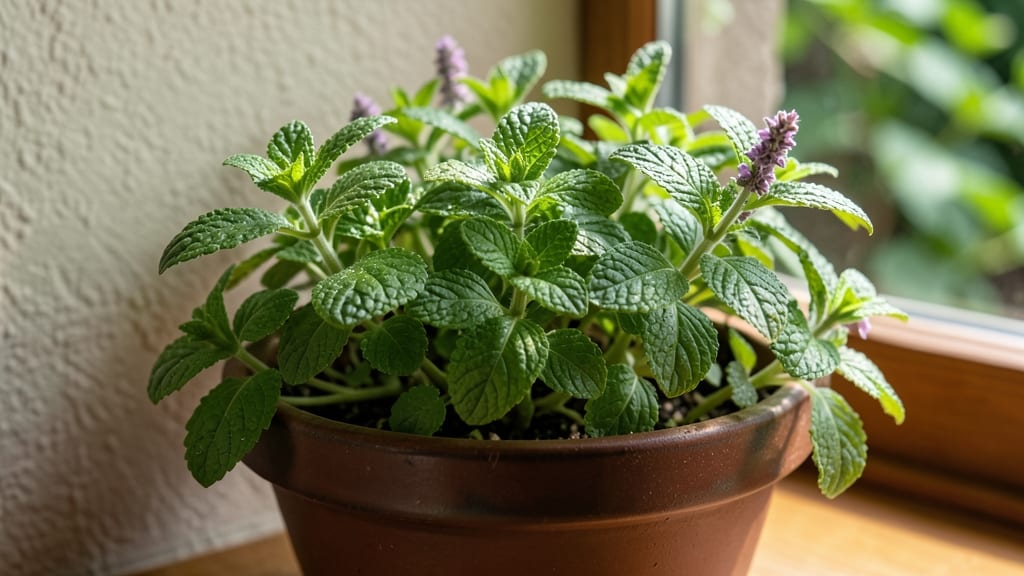
Controlling the size of your mint plant is all about knowing how fast it grows and when to step in—because what starts as a tiny 🌿 can quickly turn into a sprawling garden takeover.
Picture this: You plant a single mint sprig in a pot, expecting a neat, manageable herb, only to find it sending out runners everywhere by summer. That’s the power of mint’s aggressive growth habit, and the good news? You can tame it with just three weeks of strategic pruning.
In this guide, I’ll walk you through the science behind mint’s spread, the best tools to use for clean cuts, and whether a container or in-ground planting keeps it smaller. No more wrestling with invasive roots—just a well-behaved, harvest-ready plant.
Ready to reclaim your garden space? Let’s dive into the easiest ways to keep your mint compact, lush, and ready for your next recipe.

How to control mint plant size with strategic pruning techniques
If you've ever watched your mint plants spread like wildfire across your garden, you know how quickly they can take over. Mint's aggressive growth habit is both a blessing for fresh herbs and a challenge for gardeners wanting to keep it contained.
The secret to managing mint plant size lies in strategic pruning, which not only controls its spread but also encourages denser, more flavorful foliage.
Pruning works by stimulating lateral growth—when you trim the top growth, the plant redirects its energy to produce more side shoots, creating a bushier, more compact plant.
Pruning also prevents mint from flowering, which is crucial because once mint flowers, its leaves become less aromatic and more bitter. By keeping your mint well-pruned, you'll enjoy fresh, vibrant leaves all season long while maintaining a tidy garden bed.
The best part? You can achieve noticeable results in just three weeks with consistent effort. Let's dive into the step-by-step techniques to keep your mint plants perfectly sized and thriving.
Why pruning works for mint: Mint is a perennial herb that grows via underground runners, allowing it to spread rapidly. Pruning interrupts this spread by removing the plant's primary growth points, forcing it to grow wider rather than taller. This method also improves air circulation, reducing the risk of fungal diseases like powdery mildew, which can plague dense mint patches. Think of pruning as a way to "train" your mint plant to stay within your desired boundaries while maximizing your harvest.
Before you grab your pruners, it's essential to understand that mint plants thrive on regular maintenance. Unlike some herbs, mint doesn't go dormant in winter (in mild climates) and continues growing year-round. This means you'll need to prune more frequently to keep it in check.
The key is to stay proactive—don't wait until your mint has already taken over your garden. With the right approach, you can enjoy a compact, manageable mint plant that's perfect for containers, garden beds, or even indoor growing.
Step-by-Step Pruning Guide for Compact Mint Growth
-
Step 1: Choose the Right Time
Prune mint in the early morning on a cloudy day to minimize stress on the plant. Avoid pruning in hot afternoons or when the plant is flowering. -
Step 2: Use Sharp Pruners
Always use clean, sharp pruning shears or scissors to make clean cuts just above a leaf node. Dull tools crush stems, inviting disease. -
Step 3: Trim the Top Growth
Cut back the tallest stems by one-third to encourage bushier growth. Focus on the outermost stems first to contain spread. -
Step 4: Remove Flower Stems
As soon as you see flower buds, snip them off immediately. Flowering reduces leaf production and makes leaves less flavorful. -
Step 5: Thin Out Dense Areas
If mint grows too thick, trim 10-20% of the foliage to improve air flow. Focus on crowded stems at the plant's base. -
Step 6: Prune Underground Runners
For in-ground mint, dig up and remove underground runners that creep away from the main plant. This prevents mint from colonizing new areas. -
Step 7: Harvest Regularly
Pinch off outer leaves for cooking or tea to encourage new growth. This keeps the plant compact and productive. -
Step 8: Repeat Every 3-4 Weeks
Mint grows quickly, so prune every 3-4 weeks during the growing season (spring to fall) to maintain size and shape.
One of the most common mistakes gardeners make is pruning too late in the season. If you wait until fall, your mint may not have enough time to recover before winter.
Instead, aim to prune mint throughout the growing season, with a final light trim in late summer to prepare for cooler weather. This approach ensures your mint stays vibrant and manageable while giving you a steady supply of fresh leaves for your kitchen.
For container-grown mint, pruning is even more critical because roots can quickly fill the pot. If you notice roots circling the bottom of the container, it's time to prune aggressively and consider repotting into a slightly larger container.
Always ensure your pot has drainage holes to prevent root rot, which can weaken the plant and make it more susceptible to pests. A well-pruned container mint can stay compact for years with minimal effort.
Did you know that mint leaves regrow faster after pruning? This is because pruning reduces the plant's stress hormones, allowing it to focus energy on new growth. In fact, studies show that regularly pruned mint can produce up to 30% more leaves than unpruned plants.
The key is consistency—stick to your pruning schedule, and you'll enjoy a lush, flavorful mint plant that stays within your desired size limits.
If you're growing mint in a garden bed, consider adding a physical barrier like edging or a buried pot around the plant to contain its runners. This works especially well for invasive varieties like peppermint or spearmint.
Pair this with regular pruning, and you'll have a neat, contained mint plant that won't overtake your other herbs or vegetables. Remember, the goal is to balance growth—not stifle it entirely.
Finally, always sterilize your pruners between cuts to prevent the spread of disease. Use rubbing alcohol or a 10% bleach solution to wipe down blades after each use. This simple step can make a huge difference in keeping your mint healthy and disease-free.
With these techniques, you'll master the art of controlling mint plant size while enjoying
Best pruning tools and timing for compact mint growth
Pruning is the secret weapon for keeping your mint plant size manageable while encouraging lush, flavorful growth. With the right pruning tools and timing, you can transform unruly mint into a neat, bushy plant in just a few weeks.
The key lies in understanding when to trim and which tools create clean cuts that heal quickly.
Mint thrives on regular pruning, but timing matters. Cutting at the wrong time can stress the plant or invite pests and diseases. I’ve learned through trial and error that early morning is the best time to prune—when the air is cool and the plant is hydrated.
Avoid pruning in the heat of the day, as this can shock the plant and slow down recovery.
⚠️ callout warning
For pruning tools, invest in a sharp pair of bypass pruners for clean cuts on thicker stems. For finer trimming, a hand pruner or even clean scissors work well.
Avoid dull tools—they crush stems instead of making clean cuts, which slows regrowth. I also keep a small bottle of rubbing alcohol handy to sterilize my tools between cuts.
Spring and early summer are the ideal seasons for pruning mint. In spring, focus on removing any dead or yellowing leaves to encourage new growth. During the growing season, trim back leggy stems to promote a fuller, bushier plant.
Avoid heavy pruning in late summer, as mint needs time to harden off before winter.
To keep your mint compact, I recommend a weekly light pruning routine during the growing season. Pinch off the tips of new growth to encourage branching, which creates a denser plant. For larger stems, cut just above a set of leaves to redirect energy to the remaining foliage.
This method has helped me maintain mint plants that stay under 2 feet tall while producing abundant leaves.
One common mistake I see is pruning too close to the base of the plant. Always leave at least 1-2 inches of stem when cutting back to avoid damaging the crown.
Another tip: harvest leaves regularly by snipping just above a leaf node—this encourages the plant to branch out instead of growing tall and leggy. With consistent care, your mint will stay compact, productive, and pest-free.