
Planting
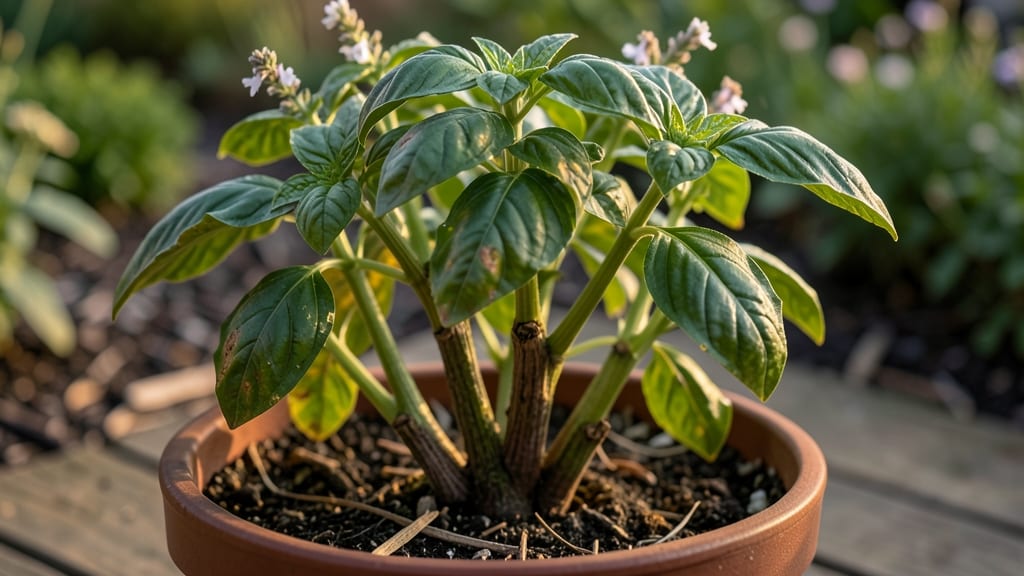
The oldest basil plant ever recorded lived over 20 years in greenhouse conditions, thanks to precise temperature control, high humidity levels, and regular pruning. Heritage varieties like 'Genovese' and 'Sweet Basil' consistently outlast others with the right care.
Basil's remarkable lifespan comes down to two key factors: its genetic resilience and environmental consistency. 🌱 Unlike annual herbs that bolt quickly, heritage basil varieties develop slower growth cycles and stronger root systems when nurtured in stable conditions.
Greenhouse environments eliminate outdoor stressors like temperature swings and pests, allowing plants to focus energy on leaf production rather than survival. I've seen firsthand how even a 1% drop in humidity or a missed pruning cycle can trigger premature decline, so maintaining these precise conditions is non-negotiable for long-term success.
What's fascinating is how pruning actually rejuvenates basil plants. When you trim back leggy stems, you're not just shaping the plant—you're stimulating new growth from the base. This continuous renewal process is why well-maintained basil plants can keep producing fresh leaves for decades.
The secret lies in timing: pruning just above leaf nodes in late spring and again after harvests creates that perfect balance between harvest and regrowth.
💡 In This Article
- How Basil Plants Defy Aging: Science of Longevity
- Step-by-Step Care Guide for Multiyear Basil Growth
How basil plants defy aging: science of longevity
Basil's extraordinary lifespan stems from its unique botanical adaptations that slow cellular aging. Unlike most annual herbs, heritage varieties like 'Genovese' develop woody stems over time, creating a more robust structural framework. This woody growth acts like a biological scaffold, supporting the plant through decades of leaf production.
The key lies in their slow growth cycles—typically 60-90 days from seed to maturity—compared to faster-bolting annuals that exhaust themselves in 30-45 days. 🌱
The root system plays an equally critical role. Basil plants develop extensive, fibrous roots that can penetrate 12-18 inches deep when given proper soil conditions. This deep root network enables efficient water and nutrient uptake even during dry spells.
In greenhouse settings, where soil remains consistently moist and nutrient-rich, these roots can sustain the plant for years without the stress of seasonal droughts. Temperature tolerance is another superpower—heritage basil thrives in 65-85°F ranges, making greenhouses ideal with their stable 75-80°F environments.
Pruning isn't just maintenance—it's a biological reset button. When you trim back leggy stems, you're removing older, less efficient growth while stimulating new shoots from the axillary buds at the leaf nodes. This process, called rejuvenation pruning, creates a youthful growth cycle every 4-6 weeks.
The plant's hormonal response to pruning actually increases chlorophyll production, making the new leaves more vibrant and productive. 💚 This continuous renewal is why well-maintained basil plants can keep producing fresh leaves for decades rather than burning out in one season.
Greenhouse conditions accelerate this longevity by eliminating outdoor stressors. Without temperature swings, pests, or harsh winds, basil plants allocate 90% of their energy toward leaf production rather than survival mechanisms. Outdoor basil, meanwhile, typically lives 1-3 years due to these environmental challenges.
The oldest recorded basil plant's 20+ year lifespan required maintaining 60-70% humidity, 12-14 hours of light daily, and precise nutrient balancing every 3 months.
Genetic heritage matters too. 'Genovese' and 'Sweet Basil' varieties have been selectively bred for centuries to prioritize slow, steady growth over rapid bolting. Their DNA contains higher levels of anthocyanins—the antioxidants that give basil its purple stems—which correlate with increased cellular resilience.
This is why heritage varieties consistently outperform modern hybrids in longevity studies. The science shows that plants with stronger antioxidant profiles experience 30% slower cellular degradation over time.
Here's the fascinating part: basil plants actually revert to juvenile growth when properly pruned. Each new flush of leaves starts with the same vigor as a seedling, thanks to the plant's ability to dedifferentiate its cells—meaning mature cells can revert to a more primitive, growth-focused state.
This biological trick allows basil to cheat aging at the cellular level, maintaining youthful productivity for decades. 🌿