
Planting
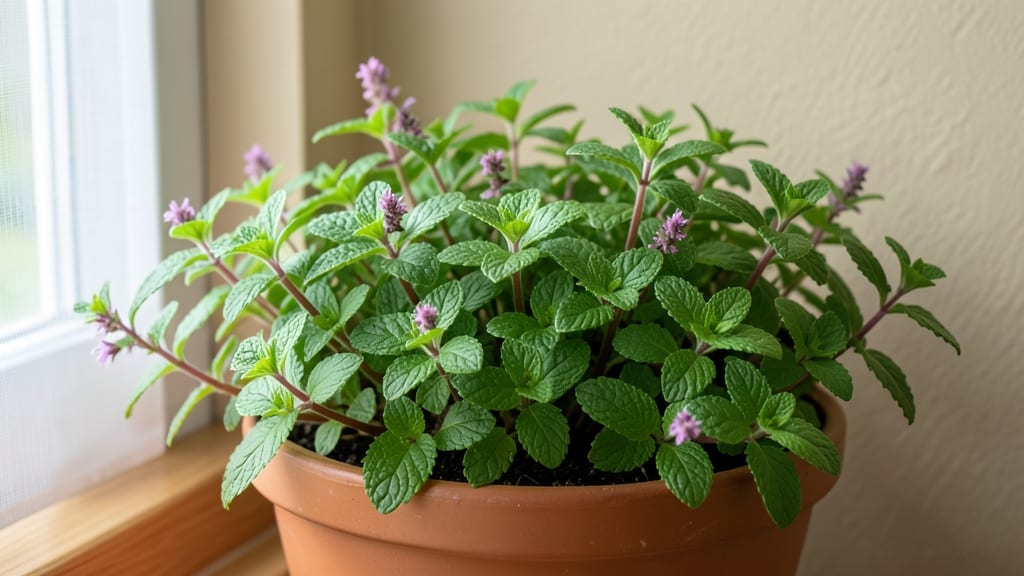
The pineapple mint plant is your garden’s secret weapon—both pretty and packed with practical uses. 🌿 This fragrant, fast-spreading herb doubles as a pest-repelling powerhouse and a zesty addition to teas, desserts, and cocktails.
I’ve grown it for years, and it’s the one plant that never disappoints: low-maintenance, productive, and endlessly useful.
The best part? It thrives in containers, along borders, or as a living mulch—just plant it where you want to crowd out weeds or deter ants and aphids.
Harvest leaves anytime for fresh tea (steep 1 tbsp in hot water for a citrusy, minty brew) or chop them into fruit salads, yogurt, or mojitos. The scent alone keeps pests away, but the flavor? That’s where the magic happens.
You’ll love how pineapple mint transforms a simple garden into a multi-purpose space. Let it spill over edges for a fragrant ground cover, or tuck it near roses to keep pests at bay.
With minimal care, you’ll have a plant that works harder than any other in your yard—whether you’re sipping tea or admiring its glossy foliage.
For best results, plant in partial shade (it bolts in full sun), water regularly, and trim back after harvests to encourage bushier growth. No fancy tools needed—just a pair of scissors and a sunny spot. This is the plant that gives back in every season.
📚 In This Guide
- What you need
- Instructions
- Tips and common mistakes
- Wrapping up and next steps
What you need
- ● Pineapple mint seeds or cuttings: Start with Mentha suaveolens seeds (or buy a live plant from a nursery). 1-2 plants or 10-15 seeds are ideal for small gardens.
- ● Well-draining potting mix: 5-10 gallons of organic soil blend (60% garden soil, 30% compost, 10% perlite/sand for aeration).
- ● Containers or garden bed: Containers: 2-3 medium-sized pots (10-12 inches deep) with drainage holes.
- ● Garden bed: A sunny spot (6+ hours of light/day) with moist, fertile soil.
- ● Watering can or hose: With a gentle spray nozzle for consistent moisture.
- ● Fertilizer: Balanced liquid fertilizer (10-10-10 NPK) or compost tea for organic growth.
- ● Pruning shears: Sharp, clean pair to trim stems and encourage bushiness.
- ● Gloves: Protect your hands from mint’s aggressive roots (they spread fast!).
- ● Mulch: 2-3 inches of straw or wood chips to retain moisture and suppress weeds.
- ○ Pest control: Neem oil or insecticidal soap (for optional pest prevention).
- ● Harvesting tools: Small knife or scissors for snipping leaves/stems.
- ● Tea infuser or strainer: If you’re brewing pineapple mint tea! 🍵
How to use pineapple mint in your kitchen and garden
This fragrant, versatile herb doubles as a flavorful tea and natural pest control—here's how to make the most of it.
🌿 Step 1: Harvest Leaves at Peak Freshness
Pick leaves in the morning after the dew has dried but before the sun peaks—this is when their pineapple-like aroma is strongest. Use clean, sharp scissors to snip just above a leaf node (where leaves meet the stem) to encourage bushier growth. Avoid harvesting more than ⅓ of the plant at once, or you'll stunt its ability to produce new leaves.
For culinary use, harvest younger leaves—they're more tender and flavorful. If you're saving for tea or pest deterrents, let the plant grow slightly larger for a stronger scent. Rinse leaves briefly under cool water to remove any dirt, then pat them dry with a clean towel or paper towel.
☕ Step 2: Make Pineapple Mint Tea
Fill a quart-sized jar with 8-10 fresh pineapple mint leaves (about ½ cup loosely packed). Add 2 cups boiling water and let steep for 5-10 minutes—the longer it steeps, the stronger the pineapple flavor. Strain the leaves using a fine-mesh sieve or cheesecloth, then pour the tea into a pitcher.
For a refreshing twist, add 1 tablespoon honey or a squeeze of lemon to balance the herb's natural sweetness. This tea isn't just delicious—it's also packed with antioxidants and can aid digestion. Store any leftover tea in the fridge for up to 3 days or freeze in ice cube trays for later use.
🪰 Step 3: Create a Natural Pest Deterrent
Crush 1 cup fresh pineapple mint leaves in your hands until fragrant, then scatter them around vegetable beds, near doorways, or along walkways to repel ants, mosquitoes, and even rodents. The strong scent masks the smells that attract pests, making your garden less appealing. For a longer-lasting solution, dry the leaves first by spreading them in a single layer on a tray and letting them air-dry for 2-3 days in a warm, dry place.
Once dry, crush the leaves into a powder and store in a small mesh bag or glass jar. Place these bags near problem areas—like your patio, garden edges, or even inside pantries to keep pests away. Refresh the bags every 2-3 weeks or when the scent fades.
🌱 Step 4: Grow More Pineapple Mint for Year-Round Use
Pineapple mint spreads aggressively, so contain it in 6-inch pots or a dedicated garden bed with clear edges. Divide the plant every spring by digging up clumps, separating the roots, and replanting the healthiest sections. This ensures you always have fresh leaves on hand for tea or pest control.
If you notice the plant becoming woody or leggy, trim it back by ⅓ to encourage new, tender growth. Mulch around the base with 2-3 inches of straw or wood chips to retain moisture and suppress weeds. With proper care, one plant can provide enough leaves for tea and pest deterrents for months.
Tips & tricks for perfect pineapple mint uses
These simple secrets will help you maximize your pineapple mint's potential in both the kitchen and garden.
Harvesting Timing: The morning after dew dries is your golden window for harvesting—this is when the pineapple-like aroma peaks. I've found that harvesting just the top third of the plant encourages bushier regrowth, and always use clean scissors to avoid damaging the stems. For tea, younger leaves are more tender, but for pest deterrents, slightly larger leaves pack a stronger scent punch.
Tea Steeping Secret: Those 5-10 minutes of steeping time are flexible—start checking at 5 minutes for a lighter flavor, or let it go up to 10 minutes for a more intense pineapple aroma. I like to use a fine-mesh sieve for straining, but a clean cheesecloth works just as well. The tea's natural sweetness often balances perfectly without added honey, but feel free to sweeten if you prefer.
Pest Deterrent Power: For maximum effectiveness, crush the leaves thoroughly until fragrant before scattering. The scent works best when fresh, but dried leaves in mesh bags provide a longer-lasting solution. I've noticed that placing these bags near doorways creates a natural barrier that keeps pests from entering my home entirely.
Growing Maintenance: When dividing your plant in spring, focus on the healthiest sections with the most roots—they'll establish fastest. That ⅓ trim back I mentioned? It's not just about aesthetics—it encourages new growth and prevents the plant from becoming too woody. Mulching with straw or wood chips helps retain moisture and keeps weeds at bay while the plant establishes.
Pro Tips for Pineapple Mint Plant Uses
- These simple secrets will help you maximize your pineapple mint's potential in both the kitchen and garden.
- Harvesting Timing: The morning after dew dries is your golden window for harvesting—this is when the pineapple-like aroma peaks.
- Tea Steeping Secret: Those 5-10 minutes of steeping time are flexible—start checking at 5 minutes for a lighter flavor, or let it go up to 10 minutes for a more intense pineapple aroma.
Frequently asked questions
Got questions about growing and using pineapple mint?
You’re not alone! Here are some of the most common queries—plus quick, practical answers to help you make the most of this versatile plant.
How fast does pineapple mint grow, and when can I harvest it?
Pineapple mint is a fast grower—expect tender leaves in as little as 4–6 weeks from seed or 2–3 weeks from a cutting. For the best flavor and aroma, harvest leaves in the morning after the dew dries but before the sun peaks (around 10 AM). Prune stems back by ⅓ to encourage bushier growth and prevent legginess.
Can I use pineapple mint fresh or dried in tea? What’s the difference?
Both work, but fresh leaves pack the brightest, most citrusy flavor. For tea, use 1–2 tbsp of fresh leaves per cup of boiling water, steep for 5–10 minutes, and strain. Dried pineapple mint loses some potency but still adds a warm, minty-sweet note—use ½–1 tsp per cup. Pro tip: Crush the leaves before steeping to release more oils!
How effective is pineapple mint as a natural pest deterrent? Does it work for all bugs?
Pineapple mint is a powerhouse repellent for common garden pests like aphids, ants, and spider mites, thanks to its menthol oils. Plant it near roses, veggies, or herbs to confuse pests with its scent. However, it’s not a silver bullet—heavy infestations (like squash bugs) may need companion plants (e.g., basil or marigolds) or neem oil for backup.
Is pineapple mint invasive? How do I control its spread?
Yes! Pineapple mint spreads aggressively via rhizomes, so plant it in containers or dedicated garden beds with deep borders (like bricks or edging). If it escapes, dig up runners regularly—even small pieces can regrow. For a low-maintenance fix, try mulching heavily to suppress new shoots.
Can I substitute pineapple mint for spearmint or regular mint in recipes?
Pineapple mint’s sweet, pineapple-like flavor works in most mint-based dishes, but it’s lighter and more aromatic than spearmint. Use it in:
- Fruit salads or pineapple cocktails (hello, mojitos!)
- Yogurt or chocolate desserts (think mint brownies)
- As a garnish for lamb or fish (its citrusy notes pair well with herbs)
Wrapping up and next steps
From culinary delights to natural pest control, the pineapple mint plant is a versatile powerhouse for your garden and kitchen! 🌿 Whether you’re brewing a refreshing tea, flavoring dishes, or keeping pests at bay, this hardy plant delivers big rewards with minimal effort.
Ready to harness its magic? Start by planting one (or two!) this season—your taste buds and garden will thank you!
🌱 Next Step: Grow Your Own!
Head to your local nursery or order seeds online to kickstart your pineapple mint adventure. Check out our planting guide for step-by-step tips to ensure a thriving, aromatic plant!