
Planting
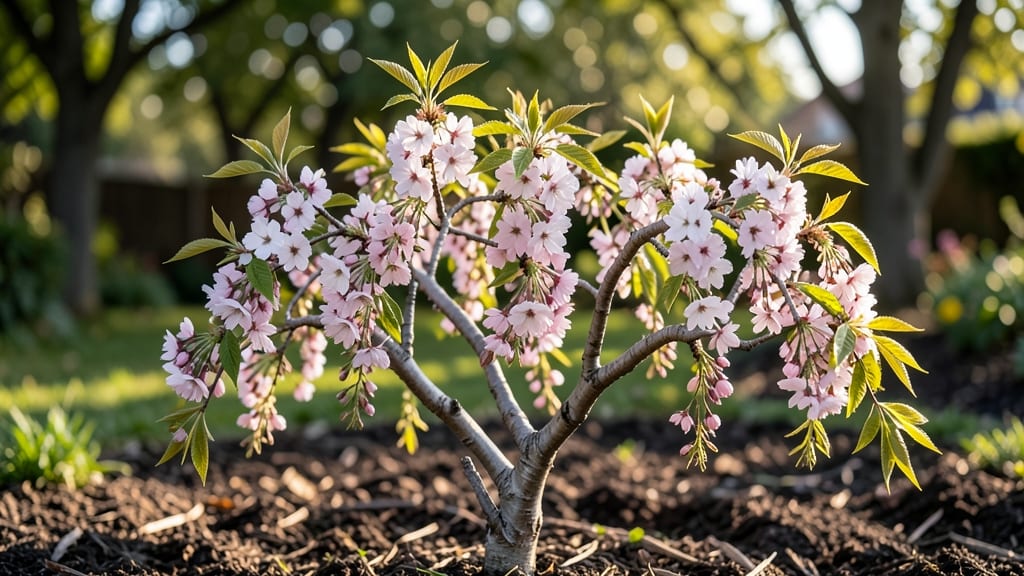
This fast-growing pink almond plant isn’t your average shrub—it’s a lush, glossy-leaved privacy screen that bursts with soft pink blooms every spring. 🌸 I planted mine last year, and within months, it transformed my backyard into a fragrant, leafy retreat.
The key? Knowing exactly where, when, and how to grow it right from the start.
Perfect for zones 7-10, this plant thrives in well-draining soil and full sun to partial shade, making it adaptable to most gardens. It’s not fussy about soil pH but does best in slightly acidic to neutral conditions.
Once established, it grows 3-5 feet tall and wide per year, so plan your spacing accordingly—think of it as nature’s fast-forward hedge.
Care is simple: water deeply once a week (more in summer), prune lightly after blooming to shape it, and feed with balanced fertilizer in early spring. The glossy leaves stay vibrant all season, and those pink flowers?
They attract pollinators like bees and butterflies. By summer, you’ll have a privacy screen that’s both functional and stunning—without the wait of slower-growing plants.
If you’re worried about pests, don’t be—this plant is tough. Aphids might visit, but a strong spray of water usually sends them packing. And the best part? It’s deer-resistant, so you won’t lose it to hungry critters. Ready to grow one that’s fast, fragrant, and foolproof? Let’s get started.
📚 In This Guide
- What you need
- Instructions
- Tips and common mistakes
- Wrapping up and next steps
What you need
- ● Pink almond plant: 1–3 Cercis canadensis 'Alba' saplings (3–5 feet tall, potted or bare-root)
- ● OR Seeds (if starting from scratch—germination takes 30–60 days!)
- ● Planting site: Full sun to partial shade (6+ hours of sunlight daily)
- ● Well-draining, slightly acidic soil (pH 6.0–7.0)
- ● Space: 20–30 feet wide and 20–25 feet tall (allow for mature growth!)
- ● Tools: 1 shovel or trowel
- ● 1 garden fork (for loosening soil)
- ● 1 wheelbarrow (for amending soil)
- ● 1 hose or watering can (with a gentle spray nozzle)
- ○ Soil amendments (optional but helpful): 2–3 gallons of compost or aged manure
- ● 1 cup of bone meal or slow-release fertilizer (10-10-10 ratio)
- ● Mulch (2–3 inches of shredded bark or wood chips to retain moisture)
- ● Plant supports (stakes or cages for young saplings in windy areas)
- ● Pruning shears (for shaping or removing dead branches)
- ● Soil pH test kit (to ensure optimal growing conditions)
- ● Drip irrigation system (for consistent watering)
Step-by-Step guide to planting a pink almond privacy screen
Here’s how to create a lush, fast-growing screen with stunning pink almond foliage—no green thumb required!
🌱 Step 1: Choose the Perfect Planting Location
Pink almond (Prunus lusitanica) thrives in partial shade to full sun, making it ideal for privacy screens along fences or property lines. Scout your space first—look for areas with 4+ hours of morning sun and afternoon shade, especially in hotter climates. The glossy leaves burn easily in intense afternoon rays, so avoid south-facing walls unless you have dappled shade from trees.
Check soil drainage by digging a small hole—if water pools after 30 minutes, amend the area with 2-3 inches of compost to improve airflow. Pink almonds hate soggy roots, so raised beds or slightly elevated ground work best in clay-heavy soils. I always test drainage before planting; nothing kills a privacy screen faster than root rot.
☀️ Step 2: Plant at the Right Spacing and Depth
Dig holes twice as wide as the root ball but only as deep as the container’s bottom. Pink almonds grow 15-20 feet tall, so space plants 8-10 feet apart for a dense screen. If you’re planting 4 plants (as promised!), arrange them in a straight line or staggered pattern for natural fill-in growth. The key is to avoid overcrowding—too-close plants compete for nutrients and grow leggy instead of bushy.
Gently remove the plant from its container and loosen any circling roots with your fingers. Place it in the hole so the top of the root ball sits level with the ground—burying too deep suffocates the stem, while planting too high stresses the plant. Backfill with native soil, tamping lightly every 2 inches to eliminate air pockets. Water deeply to settle everything in place.
💧 Step 3: Water Deeply and Mulch for Retention
Give each new plant 1 gallon of water immediately after planting, then 2 gallons weekly for the first month. You’ll know you’re doing it right when water drains through the soil in 10-15 minutes—no standing puddles. Overwatering is the #1 killer of young privacy screens, so let the top 2 inches of soil dry out between waterings after the initial phase.
Spread 3 inches of wood chips or shredded bark mulch in a 3-foot-wide ring around each plant, keeping it 6 inches away from the stem. Mulch locks in moisture, regulates soil temperature, and prevents weeds from stealing nutrients. Replenish mulch annually—it breaks down faster than you’d think, especially in rainy seasons.
✂️ Step 4: Prune for Shape and Encourage Bushiness
Skip pruning the first year—let your pink almonds establish strong roots. Starting year two, prune in late winter or early spring before new growth begins. Remove dead or crossing branches first, then cut back any stems that grew too long over winter to just above a leaf bud. This encourages fuller growth lower on the plant, not just at the top.
For a faster screen, you can lightly trim the outer third of each branch in mid-summer to redirect energy inward. Avoid heavy pruning—pink almonds respond best to gentle shaping. Watch for new shoots at the base; these are your plant’s way of filling in gaps naturally. If you see leggy growth, it’s a sign of too little light or over-fertilizing.
🌿 Step 5: Fertilize Lightly for Steady Growth
Feed your privacy screen once in early spring with a balanced 10-10-10 fertilizer (use ½ pound per plant). Pink almonds aren’t heavy feeders, so more fertilizer won’t make them grow faster—it just leads to weak, disease-prone foliage. Scatter the granules 6 inches from the stem and water deeply to activate them.
Skip fall fertilizing—it encourages tender new growth that won’t survive winter. Instead, focus on organic matter: top-dress with 1 inch of compost in spring and again in early summer. You’ll notice the difference in leaf color within weeks—richer green means your plants are happy and ready to grow 2-3 feet per year, just as promised!
Tips & tricks for perfect pink almond privacy screens
Here's what nobody tells you about planting these stunning, fast-growing trees—tricks that'll have your screen lush and vibrant in no time.
Location Intelligence: The 4+ hours of morning sun is non-negotiable for that signature pink foliage. I learned this the hard way after seeing my first batch of plants develop sunburnt leaves from afternoon exposure. If your yard gets intense afternoon sun, consider planting on the east side of your property or using temporary shade cloth during peak hours until the plants establish their root systems.
Drainage Test: That 30-minute water test in Step 1 is your best friend—don't skip it! I've seen too many pink almonds fail because people assumed their soil was fine. If water pools, mix in that 2-3 inches of compost and consider creating a slight mound or raised bed. Pink almonds are tough but not swamp-loving—they'll happily grow in containers too if your ground stays soggy.
Planting Depth: Getting the depth right is crucial for those first critical weeks. The top of the root ball should sit level with the ground—no higher, no lower. I always use a small stake to mark the depth before removing the plant from its container. This prevents that "buried too deep" stress that can stunt growth, especially in those first 2-3 feet of height we're aiming for.
Watering Wisdom: Those 2 gallons weekly for the first month might seem like a lot, but trust me on this—it's better to give too much water than too little during establishment. The 10-15 minute drainage test is your guide: if water runs through that fast, you're golden. Use a moisture meter if you're unsure—pink almonds hate dry spells when they're young, and wilting can be permanent.
Pro Tips for Pink Almond Plant
- Here's what nobody tells you about planting these stunning, fast-growing trees—tricks that'll have your screen lush and vibrant in no time.
- Location Intelligence: The 4+ hours of morning sun is non-negotiable for that signature pink foliage.
- Drainage Test: That 30-minute water test in Step 1 is your best friend—don't skip it!
Frequently asked questions
Got questions about growing or caring for your pink almond plant (Prunus sargentii)? You’re not alone! Whether you’re a beginner or just need a quick refresher, here are some of the most common queries—and their answers—from fellow plant parents.
How fast does a pink almond plant grow?
A pink almond plant is a fast-growing privacy screen, adding 3–5 feet per year under ideal conditions. With consistent watering, sunlight, and soil care, it can reach 15–25 feet tall in just 5–10 years. Pro tip: Prune in late winter to encourage bushier growth!
When is the best time to plant a pink almond tree?
The optimal planting window is early spring or early fall, when temperatures are mild (50–70°F). Avoid extreme heat or frost, as young roots are sensitive. Bonus: Planting in fall gives roots time to establish before summer droughts.
What are common problems with pink almond plants?
Watch for leaf spot fungus (yellow/brown spots) or aphids (sticky residue). Solutions:
- Fungal issues: Prune infected leaves and apply fungicide.
- Pests: Spray with soapy water or introduce ladybugs.
- Drought stress: Mulch to retain moisture.
Can pink almond plants grow in containers?
While possible, they’re not ideal for containers long-term due to their size (roots need space!). If you must, choose a large pot (20+ gallons) with drainage holes and repot every 2–3 years. Warning: Container-grown trees may grow slower and require frequent pruning.
What’s a good alternative if pink almond plants aren’t available?
Consider these fast-growing, ornamental alternatives for privacy screens:
- Japanese maple (Acer palmatum) – Compact, colorful foliage.
- Smokebush (Cotinus coggygria) – Drought-tolerant, pinkish hues.
- Empress tree (Paulownia tomentosa) – Giant leaves, rapid growth.
Wrapping up and next steps
The pink almond plant is a stunning, fast-growing privacy screen that adds both beauty and function to your garden. With its glossy leaves and striking foliage, it’s perfect for creating a lush, natural barrier while boosting curb appeal.
Whether you’re a beginner or a seasoned gardener, this plant offers easy care and rewarding results.
Ready to transform your outdoor space? Start by gathering your supplies, choosing the right location, and planting with confidence. Your dream privacy screen is just a few steps away—go ahead and get growing! 🌱✨