
Planting
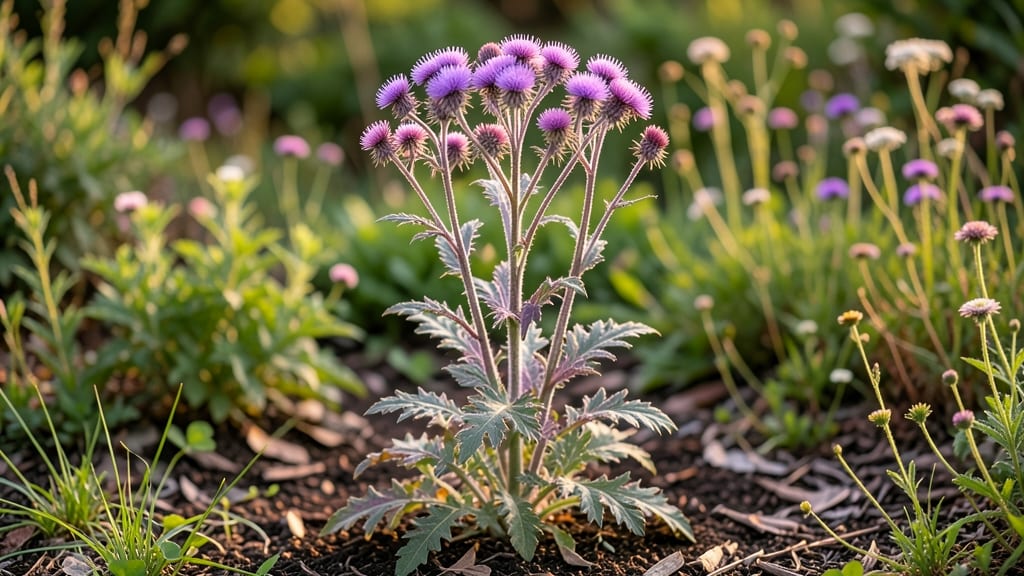
Growing purple tansy (Tanacetum vulgare 'Purpureum') transforms your garden into a year-round purple masterpiece—deep foliage that thrives even when most perennials fade. 🌿 I’ve watched this plant outshine marigolds in summer and still hold its color through late fall, proving it’s the unsung hero of ornamental gardens.
The secret lies in its drought tolerance and adaptability, making it perfect for both sunny borders and low-maintenance landscapes.
This hardy perennial thrives in full sun to partial shade, tolerating poor, rocky soil better than many flowers. Plant it in well-draining soil (even sandy or clay) and space plants 18-24 inches apart—they’ll spread slowly but steadily.
Water deeply once established, as purple tansy despises soggy roots. Prune back leggy stems in early spring to encourage bushier growth, and you’ll get bold, velvety foliage that lasts until frost.
The real magic happens when you use it as a year-round filler—its silvery-purple leaves contrast stunningly with gold, white, or red flowers. Pair it with black-eyed Susans for a cottage-garden look or let it spill over container edges.
Even in winter, its frost-resistant stems add texture to dormant gardens. For advanced gardeners, try propagating cuttings in summer for faster spread.
Common mistakes? Overwatering (it’s drought-tolerant!) and crowding (give it space). In colder zones, mulch in fall to protect roots. Whether you’re a beginner or a seasoned pro, purple tansy delivers effortless drama—no fuss, just bold color from spring to frost.
📚 In This Guide
- What you need
- Instructions
- Tips and common mistakes
- Wrapping up and next steps
What you need
- ● Purple tansy plant: 1-3 nursery-grown plants (6-12 inches tall) or seeds (if starting from scratch). Look for healthy, vibrant foliage!
- ● Well-draining potting mix: 1 bag (5-10 gallons) of high-quality cactus/succulent mix or a blend of 60% potting soil + 40% perlite/sand for aeration.
- ● Container or garden bed: For containers: 1-2 pots (12-18 inches wide) with drainage holes (terracotta or fabric pots recommended).
- ● For garden beds: Full sun exposure (6+ hours/day) and loose, well-draining soil (amend with compost if needed).
- ● Gloves: 1 pair of gardening gloves (nitrile or leather) to protect your hands from prickly stems.
- ● Watering can or hose: With a gentle spray nozzle for even moisture distribution.
- ● Pruning shears: Sharp, clean shears (sterilized with rubbing alcohol) for trimming.
- ● Slow-release fertilizer: 1 packet of balanced 10-10-10 or organic fertilizer (like worm castings) to boost growth.
- ● Mulch: 1 bag of decorative gravel or bark chips to retain moisture and enhance aesthetics.
- ● Plant support: Small stakes or cages (if your purple tansy grows tall in your climate).
- ● Spray bottle: For misting seedlings or humidifying the air in dry conditions.
Step-by-Step guide to growing stunning purple tansy plants
Here's how I create vibrant, long-lasting purple tansy displays that steal the show in any garden bed.
🌱 Step 1: Select the Perfect Planting Site
Purple tansy (Tanacetum parthenium) thrives in full sun—at least 6-8 hours daily—where its silvery foliage and bright yellow daisy-like flowers truly shine. Choose a location with well-draining soil, as this perennial despises soggy roots. I always test soil drainage by digging a 6-inch hole, filling it with water, and checking if it drains within 30 minutes. If not, amend with 2-3 inches of coarse sand or plant on a slight mound.
This plant handles poor soil surprisingly well, but it rewards richer conditions with more vibrant foliage. Mix in 1-2 inches of compost at planting time to give it a nutrient boost. Avoid areas with heavy shade, as the purple tones fade to dull green without sufficient light. Here's the thing—purple tansy's drought tolerance makes it perfect for low-maintenance borders or rock gardens where other plants might struggle.
🪴 Step 2: Plant at the Right Depth and Spacing
Dig holes twice as wide as the root ball but only as deep—never deeper than where the plant was growing in its nursery pot. Gently remove the plant from its container and loosen any circling roots with your fingers. Purple tansy spreads aggressively, so space plants 18-24 inches apart in all directions. This gives them room to establish without competing for nutrients.
Place each plant in its hole and backfill with native soil, pressing lightly around the base to eliminate air pockets. Water deeply right after planting to help the roots settle. You'll see the first flush of silvery-purple foliage emerge within 2-3 weeks if conditions are right. Don't skip this deep watering—it's the difference between a plant that thrives and one that struggles through its first season.
☀️ Step 3: Maintain Through the Growing Season
Water purple tansy deeply once weekly during its first growing season, allowing the top 2 inches of soil to dry between waterings. Once established, it's drought-tolerant and rarely needs supplemental water. I find that mulching with 1-2 inches of shredded bark in early spring helps retain moisture while suppressing weeds—just keep the mulch 2 inches away from the stems to prevent rot.
The plant blooms prolifically in late spring to early summer, producing clusters of bright yellow daisies that contrast beautifully with the purple foliage. To encourage more foliage (and those stunning colors), deadhead spent blooms by snipping them off at the base. This redirects the plant's energy toward leaf production rather than seed development. Real talk: If you let it go to seed, it will self-sow aggressively—sometimes too aggressively for small gardens.
✂️ Step 4: Prune for Year-Round Color and Control Spread
Cut back the plant by one-third in early spring before new growth begins. This removes any dead foliage and encourages lush, compact growth. I use clean, sharp pruners to make 45-degree cuts just above a set of leaves. Avoid shearing the plant, as this can create a bushy but leggy appearance. The goal is to maintain that silvery-purple hue all season long.
To control its spreading habit, dig up and divide clumps in early spring or fall every 2-3 years. Simply lift the plant, separate the root sections with a sharp knife, and replant the divisions immediately. This keeps the plant from overwhelming your garden while giving you free plants to share with friends. Purple tansy's hardy to USDA Zone 4, so it comes back year after year with minimal effort—just a little pruning and occasional division to keep it in check.
⏰ Step 5: Overwinter for Next Year's Drama
Purple tansy is fully cold-hardy and doesn't require any special winter care. In Zone 4 or colder, the foliage may brown back in winter, but the roots survive just fine. I leave the dead stems in place through winter as natural mulch, removing them in early spring once new growth appears. This protects the crown from extreme temperature swings and reduces the need for additional mulch.
If you notice the plant looking less vibrant after winter, it's a sign it needs renewed soil nutrients. Apply a light layer of 5-10-5 fertilizer in early spring to jumpstart growth. Watch as the silvery-purple leaves re-emerge, brighter and more dramatic than ever. With proper care, your purple tansy will multiply and spread, creating a stunning, low-maintenance display that lasts for decades.
Tips & tricks for perfect purple tansy planting
These insider tricks will help you cultivate showstopping purple tansy that thrives year after year.
Site Selection Secret: While purple tansy tolerates poor soil, don't underestimate the power of preparation. In Step 1, take that drainage test seriously—the 30-minute water absorption check is your best indicator of success. I've planted in amended soil with 2-3 inches of coarse sand and seen the foliage turn a deeper purple within weeks. For maximum drama, choose a spot where the 6-8 hours of sunlight will enhance those silvery hues rather than fade them.
Planting Precision: The 18-24 inch spacing in Step 2 might seem generous, but trust me—this aggressive spreader will reward you. I've seen plants planted too close create a dense mat that chokes itself out. When loosening circling roots, focus on the outer edges where roots naturally grow—this encourages outward expansion rather than compacted growth. The deep watering after planting isn't just about settling roots; it's about establishing that critical moisture reservoir for those first 2-3 weeks when you'll see that stunning purple foliage emerge.
Maintenance Magic: That weekly watering in Step 3 is your best investment during the first season. I've found the top 2 inches of soil should feel like a wrung-out sponge—not bone dry, not soggy. For established plants, the mulch tip is golden: shredded bark breaks down slowly, feeding the soil while keeping weeds at bay. Just remember to maintain that 2-inch clearance from stems to prevent rot—this is where many gardeners accidentally smother their plants.
Pruning Payoff: The one-third spring prune in Step 4 might seem drastic, but it's the key to maintaining that vibrant purple color. I've seen neglected plants turn greenish over time—this simple cut stimulates new growth that's always more vivid. When dividing clumps every 2-3 years, time it right: early spring gives roots time to establish before summer heat, while fall divisions benefit from winter's natural pruning. The 45-degree cut angle might seem fussy, but it prevents water from pooling on leaves, which can lead to disease.
Pro Tips for Purple Tansy Plant
- These insider tricks will help you cultivate showstopping purple tansy that thrives year after year.
- Site Selection Secret: While purple tansy tolerates poor soil, don't underestimate the power of preparation.
- Planting Precision: The 18-24 inch spacing in Step 2 might seem generous, but trust me—this aggressive spreader will reward you.
Frequently asked questions
Got questions about growing and styling with purple tansy plant? You’re not alone! Here are some of the most common queries—and their answers—to help you master this showstopper.
Is purple tansy plant hard to grow?
The good news? Nope! This hardy perennial thrives in USDA Zones 3-9 and handles partial shade to full sun. Just ensure well-draining soil—it’s not a fan of soggy roots. Water moderately (let the top inch dry between waterings), and you’ll see vibrant foliage in no time!
How long does it take to see purple tansy plant color?
Patience pays off! If planted in spring, expect 6-8 weeks for new growth to emerge with its signature deep purple hue. For established plants, color peaks in late spring through fall. Pro tip: Prune back leggy stems in early spring to encourage bushier, brighter regrowth.
What if my purple tansy plant turns brown or yellow?
Brown edges? Underwatering or salt buildup (from tap water) are likely culprits. Yellowing leaves? Overwatering or poor drainage may be the issue. Check soil moisture and adjust care. Bonus: A light fertilizer in spring boosts vibrancy!
Can I use purple tansy plant in containers?
This plant loves containers—just pick a pot at least 12 inches wide with drainage holes. Pair it with silver foliage (like lamb’s ear) for contrast or mix with white flowers for drama. Container hack: Use a slow-release fertilizer to keep it thriving all season.
What’s a good alternative if I can’t find purple tansy plant?
No worries! Try these equally stunning purple-leaved plants:
- Heuchera (Coral Bells) – Compact, great for borders.
- Persicaria (Bishop’s Weed) – Bold, drought-tolerant.
- Purple Smoke Bush (Cotinus) – Adds height and texture.
Wrapping up and next steps
The purple tansy plant is a showstopper for any garden, offering vibrant color and low-maintenance drama year-round! Whether you’re drawn to its striking foliage or its resilience, this plant proves that bold choices make the most beautiful spaces.
Ready to elevate your outdoor (or indoor!) aesthetic? Start small—grab a cutting or seed today, and watch your garden transform!
- 🌱 Next Step: Share your progress with us—tag @YourGardenJourney for inspiration!
- 💡 Pro Tip: Pair it with silver foliage for a stunning contrast!