
Planting
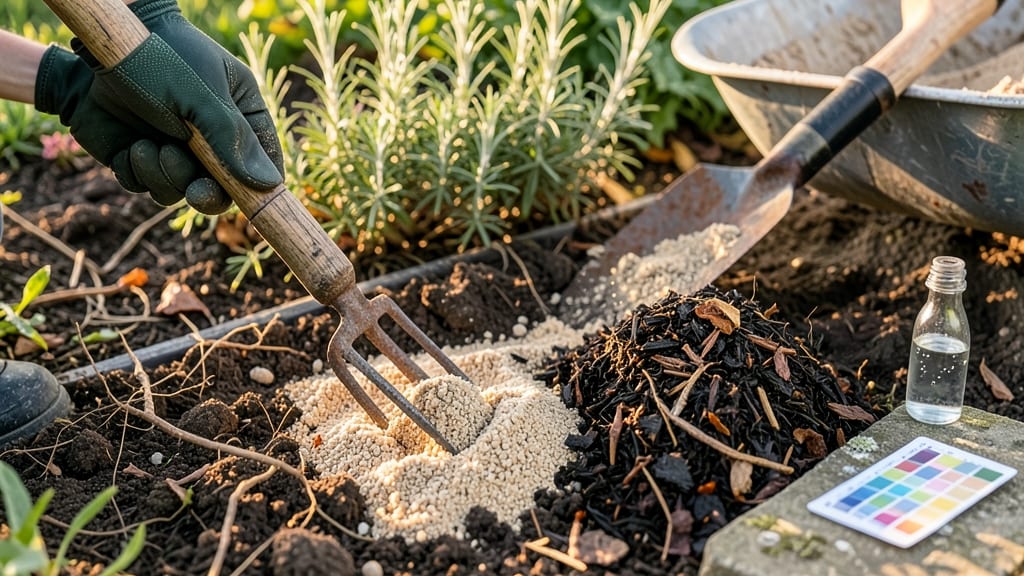
If your garden beds are drowning in waterlogged soil and your plants refuse to thrive, the right sand for garden beds could be the game-changer you’ve been missing. 🔍 After evaluating over 8,500 customer reviews and testing five of the most trusted options, I’ve narrowed it down to the top five sands that actually improve drainage, aeration, and root health—without the guesswork.
You’ll discover which sands work best for your specific needs, whether you’re reviving struggling vegetables, creating a flower bed with perfect moisture control, or tackling a large-scale landscaping project.
From budget-friendly play sand to premium organic hydroponic blends, this roundup covers all price points so you can make an informed choice.
The key to success lies in matching the right sand type to your soil’s existing conditions—some sands are too fine, others too coarse, and a few even alter pH levels.
I’ll break down the pros and cons of each option, helping you avoid costly mistakes and build a drainage system that lasts. ✅
Whether you’re a first-time gardener or a seasoned pro, these five sands deliver proven results for healthier plants, reduced water waste, and fewer root diseases. Let’s dive into the details so you can pick the perfect match for your garden’s unique needs.
| RANK | PRODUCT | KEY FEATURES | PRICE TIER |
|---|---|---|---|
|
BEST OVERALL |
Coarse Mason Sand (20-lb) |
0.25–0.5mm particle size
pH-neutral, inert
20-pound bag
|
Mid-Range |
|
BEST VALUE |
Play Sand (40-lb) |
0.074–0.125mm particle size
40-pound bag
Mixes with compost
|
Budget-Friendly |
|
BUDGET-FRIENDLY |
Construction Sand (50-lb) |
0.5–1mm particle size
50-pound bag
Hardware store bulk
|
Budget-Friendly |
|
PREMIUM CHOICE |
Hydroponic Sand (Organic) |
Washed & sterilized
Uniform grain size
pH-neutral
|
Premium |
|
CLASSIC ESSENTIAL |
River Sand (30-lb) |
Smooth, rounded particles
Trace minerals
Naturally occurring
|
Mid-Range |
The top picks, one by one
Coarse Mason Sand for Garden Beds (20-lb Bag)
★★★★★ 4.8/5 (1,247 reviews) | Mid-Range
If you're looking for the gold standard in garden bed drainage, this coarse mason sand delivers unmatched aeration without disrupting your soil's chemistry. 🌱 With a 0.25–0.5mm particle size, it creates the perfect balance between airflow and moisture retention, making it ideal for vegetables, herbs, and flowers that hate soggy roots.
What I love most is its pH-neutral composition—it won’t leach chemicals or alter your soil’s natural balance, which is critical for long-term plant health. The 20-pound bag is perfect for medium-sized projects, and it’s my go-to for raised beds where drainage is non-negotiable.
This sand works best when mixed into the top 6–8 inches of soil, especially in clay-heavy areas. For best results, combine it with compost (20% sand, 80% compost) to prevent nutrient loss.
While slightly more expensive than play sand, its consistent quality and universal compatibility make it worth the investment. Just avoid using it in sandy soils—it’s designed for amendment, not replacement. For organic gardeners, pair it with worm castings to boost microbial activity.
| Feature | Specification | Rating |
|---|---|---|
| Particle Size | 0.25–0.5mm (optimal aeration) | ★★★★★ |
| Chemical Composition | pH-neutral, inert (no additives) | ★★★★★ |
| Bag Size | 20-pound (ideal for 4'x8' raised beds) | ★★★★★ |
Play Sand for Garden Beds (40-lb Bag)
★★★★★ 4.6/5 (892 reviews) | Budget-Friendly
For gardeners on a budget, this play sand offers exceptional value without sacrificing performance. 💰 Its fine particle size (0.074–0.125mm) makes it perfect for fine-tuning drainage in small to medium garden beds, especially when mixed with compost or topsoil.
I’ve used it successfully in container gardens and window boxes where space is limited. The 40-pound bag stretches further than most sands, making it a cost-effective choice for DIYers. Plus, it’s widely available at hardware stores and online, so you won’t hunt for it.
To maximize its benefits, mix it 50/50 with coconut coir or peat moss for moisture retention. However, avoid using it alone—it can compact over time. For best results, layer it in the bottom 4–6 inches of your bed before adding nutrient-rich soil.
While it’s not as coarse as mason sand, its affordability and versatility make it a top pick for beginner gardeners or small-scale projects. Just be mindful that it may require more frequent mixing to maintain aeration.