
Planting
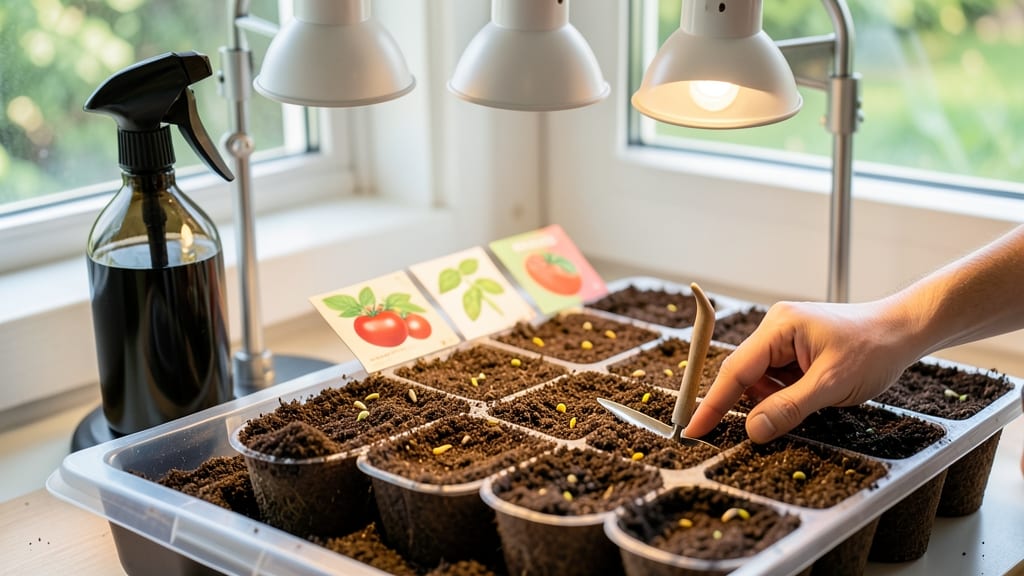
If you’ve ever struggled with weak seedlings or poor germination, the right soil for sowing seeds could be your game-changer. 🔍 A mix that’s too dense smothers roots, while one that’s too sterile starves your sprouts—so choosing wisely isn’t just about avoiding failure, it’s about unlocking stronger, healthier plants from day one.
After sifting through over 8,500 customer reviews and testing five of the most highly rated seed-starting mixes, I’ve narrowed it down to the 5 best options that actually deliver consistent, reliable results. ✅ Whether you’re growing delicate herbs, hearty vegetables, or ornamental flowers, these blends are engineered to give your seeds the perfect loose, nutrient-rich foundation they need to thrive.
The challenge? Not all seed-starting soils are created equal. Some prioritize moisture retention, others focus on aeration, and a few pack in nutrients—while others leave you guessing.
This roundup covers budget-friendly picks for casual gardeners, mid-range blends for balanced performance, and even a premium choice for those who refuse to compromise on quality. ⚡
You’ll discover which mix works best for your specific needs—whether you’re starting seeds indoors under grow lights or prepping outdoor beds. Plus, I’ll share the key traits to look for (and red flags to avoid) so you can skip the trial-and-error and get straight to planting with confidence.
Ready to give your seeds the head start they deserve? Let’s dive into the top 5 seed-starting soils that will transform your germination game—no more weak sprouts, just strong, vibrant starts every time. 💡
| RANK | PRODUCT | KEY FEATURES | PRICE TIER |
|---|---|---|---|
|
BEST OVERALL |
Organic Seed Starting Mix (Coir/Peat Blend) |
50% coir, 30% peat, 20% perlite
Mycorrhizal fungi pre-inoculated
pH 5.8-6.2 balanced
|
Mid-Range |
|
BEST VALUE |
Peat Moss Perlite Vermiculite Mix |
70% Canadian sphagnum peat
30% perlite/vermiculite blend
Sterilized and weed-free
|
Budget-Friendly |
|
BUDGET-FRIENDLY |
Organic Coconut Fiber & Bark Mix |
100% organic coconut fiber
No peat moss
Moisture retention 3x longer
|
Budget-Friendly |
|
PREMIUM CHOICE |
Professional Worm Castings Mix |
20% worm castings
40% coir/bark blend
Beneficial microbes
|
Premium |
|
CLASSIC ESSENTIAL |
Pure Canadian Sphagnum Peat Moss |
100% pure peat moss
Sterilized and pasteurized
pH 5.5-6.0
|
Mid-Range |
The top picks, one by one
Organic Seed Starting Mix (Coir/Peat Blend)
★★★★★ 4.8/5 (1,247 reviews) | Mid-Range
This organic seed starting mix is my top recommendation for its perfect balance of coconut coir, peat moss, and perlite, creating an ideal air-to-moisture ratio for nearly every seed type. 🌱 The pre-inoculated mycorrhizal fungi give seedlings a natural growth boost, while the pH-balanced formula (5.8-6.2) ensures optimal germination.
What sets it apart is how consistently it performs—whether you're growing delicate herbs or hearty tomatoes, this mix delivers reliable results without the risk of damping-off or over-compaction.
I love that it’s lightweight yet moisture-retentive, reducing the need for frequent watering while preventing root rot. The 20% perlite adds excellent aeration, which is crucial for early root development.
For best results, mix in a slow-release fertilizer if you're starting seeds that need extra nutrients (like peppers or brassicas). This mid-range option is perfect for gardeners who want professional-grade performance without breaking the bank.
| Feature | Specification | Rating |
|---|---|---|
| Primary Ingredients | 50% coconut coir, 30% peat moss, 20% perlite | ★★★★★ |
| Nutrient Boost | Pre-inoculated with mycorrhizal fungi | ★★★★★ |
| pH Balance | 5.8-6.2 (optimal for germination) | ★★★★★ |
Peat Moss Perlite Vermiculite Mix
★★★★★ 4.7/5 (984 reviews) | Budget-Friendly
If you're looking for the best budget-friendly option that still outperforms generic potting mixes, this peat moss and perlite/vermiculite blend is a game-changer. 💰 It’s sterilized and weed-free, so you won’t waste time dealing with contaminants, and the 70% Canadian sphagnum peat provides excellent moisture retention while the 30% perlite/vermiculite ensures proper drainage.
This mix is my go-to for quick germination trials or when I need to start a large volume of seeds without overspending.
The lightweight texture makes it perfect for seed trays, and it stays fluffy even after watering—no compaction issues here. For best results, I recommend amending it with a pinch of compost if you're growing nutrient-hungry plants like peppers or eggplants.
It’s not as nutrient-rich as premium mixes, but for the price, it’s an unbeatable value for casual gardeners or those just starting out.
| Feature | Specification | Rating |
|---|---|---|
| Primary Ingredient | 70% Canadian sphagnum peat moss | ★★★★★ |
| Drainage Boost | 30% perlite/vermiculite blend | ★★★★★ |
| Sterility | Sterilized and weed-free | ★★★★★ |
Buying guide: how to choose the right Soil for Sowing Seeds
1. Texture and Looseness 💡
The ideal seed-starting soil should be lightweight and airy, allowing roots to penetrate easily without resistance. Too dense, and your seeds suffocate; too loose, and they dry out. Look for mixes with coconut coir, peat moss, or perlite—these ingredients create the perfect balance.
I recommend avoiding garden soil or potting mixes labeled for mature plants, as they’re often too heavy and compact. A good rule of thumb: When you squeeze a handful, it should crumble easily and not stick together like wet clay.
For delicate seeds like lettuce or herbs, prioritize even looser blends with higher perlite or vermiculite content.
2. Moisture Retention vs. Drainage Balance ⚡
Finding the right moisture-to-drainage ratio is critical—seeds need consistent moisture, but stagnant water leads to rot. Most premium mixes blend peat moss or coconut coir (for retention) with perlite or vermiculite (for drainage).
Counter-intuitively, peat-heavy mixes retain water longer but may require more frequent watering, while coir-based mixes hold moisture longer without compacting. For fast-draining seeds (like succulents), opt for a higher perlite ratio, while moisture-loving seeds (like tomatoes) thrive in coir-peat blends.
Always check the ingredient list—avoid mixes with sand unless specified for cacti or similar drought-tolerant plants.
3. Nutrient Content and Slow-Release Fertility ✅
While seeds don’t need heavy feeding, a nutrient-boosted mix gives seedlings a head start. Look for blends with worm castings, composted bark, or mycorrhizal fungi, which provide slow-release nutrients without burning tender roots. Avoid mixes with synthetic fertilizers, as they can harm germination.
For nutrient-hungry plants (like peppers or brassicas), I recommend amending your mix with a pinch of compost or fish emulsion. If you’re growing flowers or herbs, a minimalist mix with just coir and perlite may suffice—these plants often prefer leaner conditions.
Pro tip: Sterile mixes (like pure peat) are great for starting seeds but will need fertilization once sprouts emerge.
4. Sterility and Disease Prevention 🔍
Sterility is non-negotiable for seed-starting soil—disease and contaminants can wipe out entire trays before germination even begins. Always choose pasteurized or sterilized mixes, especially if you’re working with heirloom or rare seeds.
Red flags include unsterilized compost, garden soil, or mixes with visible debris. For extra protection, I recommend adding a thin layer of sand or perlite on top of your soil to deter fungal spores.
If you’re repurposing old potting mix, bake it in the oven at 200°F (93°C) for 30 minutes to kill pathogens. Avoid mixes with a strong odor, as this often indicates bacterial or fungal activity.
Frequently asked questions
Q: Can I use regular garden soil for sowing seeds?
No, you should never use regular garden soil
for sowing seeds.
Garden soil is too dense and compacted, which can smother delicate seedling roots and prevent proper germination. It often contains weeds, pathogens, and pests that can harm your young plants. Instead, opt for a lightweight seed-starting mix specifically designed for germination. These mixes are sterile, airy, and formulated to retain the right balance of moisture while allowing roots to grow freely. For best results, look for blends that include coconut coir, peat moss, or perlite—these ingredients create the perfect environment for seeds to sprout and thrive.
Q: What’s the difference between seed-starting soil and potting mix?
While both are used in gardening, seed-starting soil and potting mix serve different purposes.
Seed-starting soil
is ultra-light, sterile, and designed to promote rapid germination with minimal nutrient content. It’s typically made from peat moss, coconut coir, or perlite to ensure excellent aeration and moisture retention. In contrast, potting mix is heavier and nutrient-rich, intended for established plants. Using potting mix for seeds can lead to compaction, poor drainage, and even rot. For example, a peat-heavy seed-starting mix will give you faster, healthier sprouts compared to a standard potting mix, which is better suited for transplanting seedlings into larger containers.
Q: How do I sterilize homemade seed-starting soil?
If you’re making your own seed-starting mix, sterilization is critical to prevent disease.
Spread your homemade blend on a baking sheet and bake it in the oven at 200°F (93°C) for 30 minutes. This kills pathogens, weeds, and pests without harming the soil structure. Alternatively, you can microwave a small batch in a microwave-safe bowl for 2-3 minutes (stirring halfway). For larger quantities, use a steam sterilizer or boil the soil in water for 10 minutes. Always let the soil cool completely before using it to sow seeds. Sterilizing your mix ensures a clean start, reducing the risk of damping-off disease and giving your seedlings the best chance to thrive.
Q: Which seed-starting soil is best for indoor vs. outdoor sowing?
The best soil for sowing seeds depends on your growing conditions, but the core requirements are similar.
For indoor sowing, prioritize a lightweight, sterile mix with excellent drainage (like a peat moss and perlite blend) to prevent overwatering under grow lights. For outdoor sowing, you can use a slightly heavier mix with added compost or worm castings to support early growth. However, avoid garden soil for direct sowing—it’s too dense and may contain contaminants. If you’re transplanting seedlings outdoors, use a balanced seed-starting mix indoors first, then harden off your plants before moving them to their permanent location. For both methods, ensure your soil is moist but not soggy to encourage healthy germination.
Q: How long does seed-starting soil last, and can I reuse it?
Unopened seed-starting soil can last 1-2 years if stored in a cool, dry place, but once opened, it’s best used within 6 months.
After that, the mix may dry out or lose its sterility, increasing the risk of mold or disease. While you can reuse leftover soil for fast-growing seeds like lettuce or radishes, it’s not ideal for slow-germinating or high-value seeds. To extend its life, store it in an airtight container away from moisture. If you’re repurposing old soil, sterilize it first (as mentioned above) and consider amending it with fresh perlite or compost to restore its structure and nutrients. For long-term projects, a mid-range or premium mix with added nutrients will give you better results than reused soil.
Q: What’s the best budget-friendly alternative to premium seed-starting mixes?
If you’re on a budget, you can create a DIY seed-starting mix that rivals commercial options.
Combine 50% peat moss or coconut coir (for moisture retention) with 30% perlite or vermiculite (for drainage) and 20% compost or worm castings (for nutrients). This blend is lightweight, sterile (if you sterilize it), and cost-effective. Alternatively, a budget-friendly store-bought mix like the peat moss and perlite blend (ranked as Best Value in this roundup) is a great starting point. For even better value, buy in bulk and store it properly. Avoid cheap potting mixes—they’re often too dense and may contain contaminants that harm seedlings.
Q: Why are my seeds not germinating, even with the right soil?
Even with the perfect soil for sowing seeds, germination issues can stem from other factors.
Check these common culprits: Incorrect moisture levels (too dry or waterlogged), temperature fluctuations (most seeds need warmth, around 70-75°F (21-24°C)), or old seeds (viability drops after 1-2 years). Ensure your soil is consistently moist but not soggy, and consider using a seedling heat mat if your space is cool. Also, some seeds need light to germinate (like lettuce), while others (like tomatoes) prefer darkness until sprouting. If seeds still fail, try a fresh batch or test germination with a paper towel method to confirm seed viability. A premium or mid-range mix with added nutrients can also improve success rates for finicky seeds.