
Planting
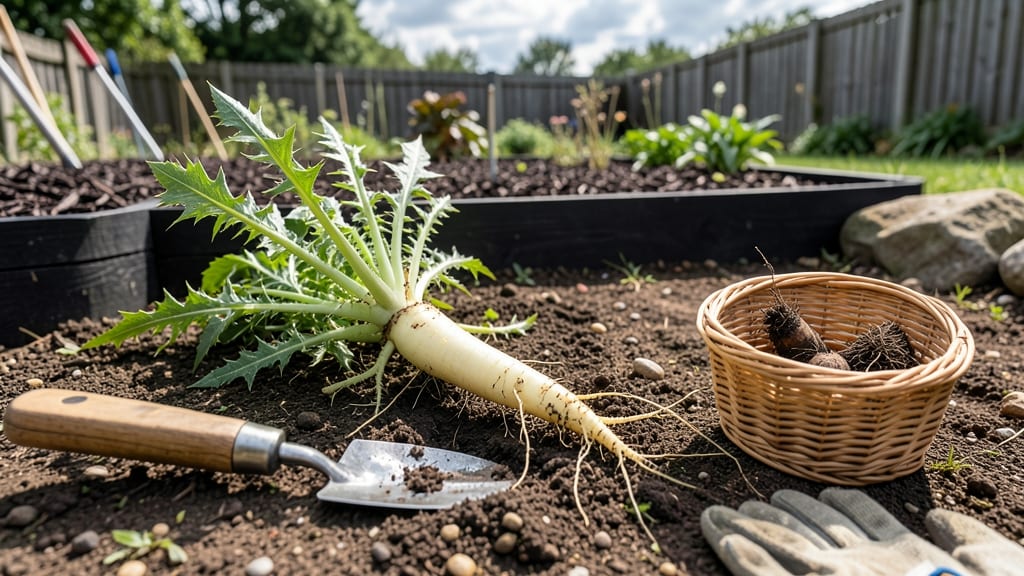
Sowing thistle roots lets you grow one of nature's hardiest wild greens right in your garden. 🌱 I've learned that these roots—often dismissed as weeds—produce tender shoots perfect for salads and medicinal teas when grown properly.
The key is patience and the right conditions, because thistle roots take time to establish but reward you with a resilient, nutrient-packed crop.
Start with fresh roots (or seeds) in well-draining soil mixed with compost. Plant them 1 inch deep in spring or early fall, spacing them 12 inches apart to give them room to grow.
Thistles thrive in full sun to partial shade and prefer cooler climates, though they tolerate a range of temperatures once established. Water lightly after planting, then only when the soil feels dry to the touch.
Germination can take 2-4 weeks, so don’t rush it—thistles grow slowly at first but become tough once rooted. You’ll know it’s working when you see those familiar spiky leaves emerge, followed by edible shoots that taste slightly bitter and nutty.
Harvest the young shoots in early spring for the tenderest greens, or let them mature for medicinal root harvests in fall.
Watch for pests like aphids or slugs, which love young thistle shoots. A simple spray of soapy water or hand-picking usually keeps them in check. If growing in warmer zones, thistles may bolt quickly, so prioritize cooler seasons.
With the right care, you’ll have a self-sustaining patch that comes back year after year—no replanting needed.
📚 In This Guide
- What you need
- Instructions
- Tips and common mistakes
- Wrapping up and next steps
What you need
- ● Foraging Gear: A sharp foraging knife (3–5 inches) or small trowel for digging roots
- ● A wild edible plant field guide (or a reliable app like iNaturalist or PictureThis)
- ○ Optional: Gloves (to protect hands from prickly stems)
- ● Identification Supplies: Magnifying glass (for inspecting leaf patterns and root structure)
- ● Small plastic bags or mesh bags (to store samples)
- ● Cleaning & Prep: Sturdy cutting board and chef’s knife
- ● Bowl of cool water and a colander
- ● Soft brush or vegetable scrubber (for stubborn dirt)
- ● Safety Prerequisites: 100% certainty in identification (sow thistle resembles poisonous look-alikes like hemlock)
- ● Knowledge of local foraging laws (some areas restrict wild harvesting)
- ● 🌿 Best Time to Forage: Early spring (roots are most tender) or fall (before frost).
- ● 🌱 Root Depth: Sow thistle roots can grow 12–18 inches deep—use a sturdy tool!
- ● 🚫 Avoid: Roots near roadsides (pollution risk) or contaminated soil.
Step-by-Step guide for harvesting and sowing thistle roots
Here's how to identify, harvest, and replant thistle roots for a sustainable edible green harvest.
🌿 Step 1: Identify and Locate Thistle Roots
First, confirm you’ve found a sow thistle (Sonchus oleraceus)—not a prickly milk thistle (Cirsium)—by checking the leaves: broad, toothed, and hairless, with no spiny stems. Look for young plants with thick, white, carrot-like roots that grow 3-6 inches deep. Avoid roots with brown spots or a bitter smell, as these indicate rot or contamination.
Dig carefully with a hand trowel in early spring or fall when roots are tender. I like to harvest on overcast days when the soil is moist but not soggy—this prevents breaking the roots. Mark the spot with a small stake if you plan to return later, as thistles spread quickly.
🪴 Step 2: Harvest and Clean the Roots
Gently loosen the soil around the root with your fingers or trowel, then lift it straight up to avoid snapping. Shake off excess dirt and rinse under cool water to remove stubborn debris. Use a small brush to scrub off any remaining soil—thistle roots are delicate and bruise easily. Discard any roots with cracks or dark patches, as these won’t store or replant well.
Pat the roots dry with a clean towel or paper towel. Store them in a paper bag in the fridge for up to 5 days if you’re not replanting immediately. The fresher they are, the better they’ll regrow. I’ve found that roots harvested in early morning stay crisp longer.
🌱 Step 3: Prepare for Replanting or Storage
For replanting, trim the tops back to 1-2 inches to reduce water loss and focus energy on root regrowth. Soak the roots in lukewarm water for 30 minutes to rehydrate them if they’ve dried out slightly. This step is key—it jumpstarts the regrowth process and prevents shock.
Plant the roots 2-3 inches deep in loose, well-draining soil mixed with a little compost. Space them 6 inches apart in rows to give the new shoots room to spread. Water lightly but consistently—thistle roots hate soggy soil—and keep the area partially shaded for the first week to reduce stress.
☀️ Step 4: Encourage Regrowth and Harvest Young Shoots
Within 7-10 days, you’ll see bright green shoots emerging—this is your cue that the roots have taken. Thin the seedlings to the strongest 2-3 per root to avoid overcrowding. Once the shoots reach 4-6 inches tall, they’re ready to harvest. Cut the leaves at the base, leaving 1-2 inches of stem to encourage more growth.
Thistles grow fastest in full sun to partial shade with regular watering (about 1 inch per week). I’ve found that harvesting every 2-3 weeks keeps the plants productive without exhausting the roots. If the soil stays moist and the plants get enough light, you’ll have a continuous supply of tender greens for months.
⏰ Step 5: Maintain and Extend the Harvest Season
To prolong the harvest, mulch around the base with straw or shredded leaves in late fall to protect the roots from freezing. Thistles are hardy and will often resprout the following spring. If you live in a cold climate, dig up the roots before the first frost, store them in a paper bag in the fridge, and replant in early spring.
Watch for pests like slugs or aphids—they love young thistle shoots. A quick spray of soapy water (1 tsp mild soap per quart of water) keeps them at bay without harming the plants. With proper care, one root can produce enough greens for 4 servings per harvest, making it a low-maintenance, high-reward forage.
Tips & tricks for perfect sow thistle harvesting
A few simple tricks will help you get the most from your wild thistle harvest—without wasting a single root.
Timing Secret: Harvesting in early spring or fall gives you the tenderest roots, but don't overlook the early morning advantage. Roots harvested before 9 AM stay crisp longer because the soil is cooler and more hydrated. If you're harvesting later in the day, work quickly to keep the roots out of direct sunlight—heat causes them to wilt faster. I've found that even a 30-minute delay in hot weather can make the difference between a perfect replant and a limp one.
Root Selection Tip: When choosing roots in Step 1, look beyond just the size—run your fingers along the root to check for firmness. A good root should feel solid and white throughout, not hollow or fibrous. The 3-6 inch depth guideline is perfect, but remember that younger, smaller roots often produce more tender shoots. If you're unsure about a root's quality, do a quick smell test: any bitter or musty odor means it's not worth replanting.
Rehydration Strategy: That 30-minute lukewarm water soak in Step 3 is non-negotiable if your roots have dried out even slightly. Cold water can shock the roots, while hot water can cook them. I like to use a shallow dish of water just warm enough to feel comfortable with your hand. After soaking, gently squeeze out excess water with a clean towel—don't wring them, as this can damage the delicate root structure. This step makes all the difference in how quickly your roots will sprout.
Pest Prevention: The 1 tsp mild soap per quart of water spray mentioned in Step 5 is your first line of defense against pests, but timing matters. Apply it in the early evening when pests are most active but before nightfall when the solution might dry too quickly. I've had great success with this method, but if slugs persist, try adding a layer of coarse sand around the base of your plants—they hate crawling over it. This simple barrier can save your entire harvest without chemicals.
Pro Tips for Sow Thistle Roots
- A few simple tricks will help you get the most from your wild thistle harvest—without wasting a single root.
- Timing Secret: Harvesting in early spring or fall gives you the tenderest roots, but don't overlook the early morning advantage.
- Root Selection Tip: When choosing roots in Step 1, look beyond just the size—run your fingers along the root to check for firmness.
Frequently asked questions
Got questions about harvesting and using sow thistle roots?
Here are answers to the most common queries—from identification to cooking—so you can forage with confidence!
How do I tell sow thistle roots apart from poisonous look-alikes?
Sow thistle roots (Sonchus oleraceus) are white, fleshy, and taproot-like, with a mild, slightly bitter taste. Avoid milk thistle (prickly leaves) or groundsel (toxic in large amounts). Always cross-check with a foraging guide or app if unsure!
When is the best time to harvest sow thistle roots?
Harvest roots in early spring or fall when they’re young and tender (before flowering). Avoid winter—they can become woody. Dig carefully with a fork or trowel to minimize damage to the plant’s growth.
Can I eat sow thistle roots raw, or do I need to cook them?
While young roots can be eaten raw (peeled and grated like a radish), most foragers blanch or roast them first to reduce bitterness. Try sautéing with garlic and olive oil or adding to soups—cooking mellows the flavor!
What’s the easiest way to grow sow thistle at home?
Sow thistle self-seeds wildly, but you can cultivate it in loose, well-drained soil with partial sun. Scatter seeds in early spring, keep soil moist, and thin seedlings. No special care needed! Just let it thrive like a weed.
Are there any parts of the plant I should avoid?
Stick to the roots and young leaves. Older leaves can be bitter, and the milky sap may irritate skin—wear gloves if handling large quantities. Always wash thoroughly before eating, and avoid if you’re allergic to ragweed or daisies.
Pro Tip:
Store harvested roots in the fridge for up to 5 days or freeze them for later. For long-term use, peel, slice, and dehydrate like potato chips—great for emergency snacks!
Wrapping up and next steps
Sow thistle roots offer a nutritious, earthy addition to your foraging adventures—packed with vitamins, minerals, and a unique flavor that’s perfect for soups, teas, or roasted dishes.
Whether you're a beginner or a seasoned forager, identifying and harvesting them safely is key to unlocking their potential. Now’s your chance to explore nature’s pantry with confidence!
🌱 Ready to Forage?
Start by booking a local foraging workshop or joining a plant-identification group to refine your skills. Grab your basket, head outdoors, and let the adventure begin—your taste buds (and body) will thank you! 🌿