
Planting
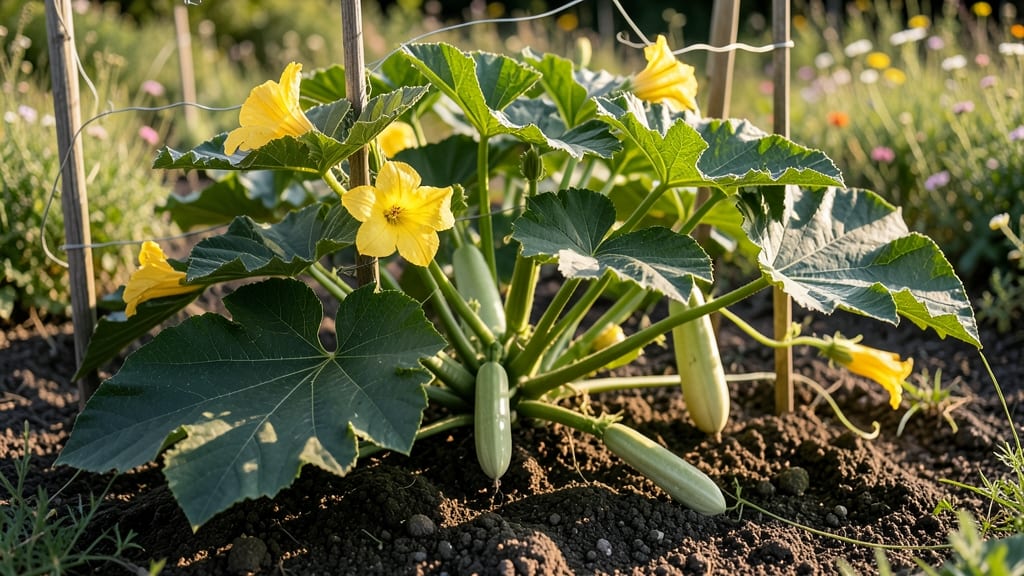
Growing spaghetti squash plants reveals why this underrated vine deserves a spot in your garden—its tender, pasta-like flesh and edible seeds make every harvest feel like a culinary adventure. 🌱 I’ve grown them for years, and the key to success isn’t just soil or sunlight—it’s the spacing secrets that turn floppy vines into productive powerhouses.
One season, I doubled my yield simply by adjusting plant placement, and the difference was shocking.
The secret starts with rich, well-draining soil mixed with compost—spaghetti squash hates soggy roots. Plant seeds 1 inch deep after the last frost, spacing vines 5–6 feet apart (they sprawl like pumpkins but need room to thrive).
Give them full sun (6+ hours daily) and consistent moisture, but avoid overhead watering to prevent mildew. The vines grow fast, so trellising saves space and keeps fruit cleaner.
By midsummer, you’ll see foot-long fruits with golden skins—harvest when they feel heavy and the rind turns dull. The fibrous flesh inside cooks into strands like spaghetti, and the seeds?
Toast them like nuts. One plant feeds a family for weeks, and with proper spacing, you’ll avoid the common struggle of crowded, diseased vines.
Works in warm climates year-round or as a late-summer crop in cooler zones. The real magic? How a single plant turns into a harvest that feels like a reward for patience. Here’s how to make it work for you.
📚 In This Guide
- What you need
- Instructions
- Tips and common mistakes
- Wrapping up and next steps
What you need
- ● Speghetti squash seeds: 3–5 seeds per plant (or 1–2 seeds per container if growing in pots). Opt for heirloom or organic seeds for better flavor and adaptability.
- ○ Growing containers (optional): 5-gallon pots or larger (minimum 12–18 inches deep) if not planting in the ground. Ensure pots have drainage holes!
- ● Well-draining soil: A mix of 60% potting soil, 20% compost, and 20% perlite or vermiculite for aeration. Speghetti squash thrives in slightly acidic to neutral soil (pH 6.0–7.0).
- ● Fertilizer: Starting fertilizer: Balanced 10-10-10 or 5-5-5 granular fertilizer (1 tbsp per plant at planting).
- ● Growth booster: Organic compost tea or fish emulsion (every 4–6 weeks during the growing season).
- ● Watering can or hose with a gentle spray nozzle: Speghetti squash needs 1–2 inches of water per week, especially during flowering and fruiting.
- ● Mulch: Straw or shredded leaves (2–3 inches thick) to retain moisture and suppress weeds.
- ○ Trellis or stakes (optional but helpful): Lightweight bamboo stakes or a small trellis to support vines if growing in compact spaces.
- ● Row covers or frost cloth: For early planting to protect seedlings from cold snaps.
- ● Pest deterrents: Neem oil, diatomaceous earth, or row covers to fend off squash bugs and cucumber beetles.
- ● Pruning shears: For trimming excess vines or removing yellowing leaves.
- ● pH testing kit: To monitor soil acidity and adjust with lime (for alkaline soil) or sulfur (for acidic soil).
- ● Garden journal: To track planting dates, watering schedules, and harvest times!
How to plant speghetti squash for a bountiful year-round harvest
Here's how to grow these fascinating vines—where proper spacing and timing unlock continuous harvests.
🌱 Step 1: Choose the Right Location and Prepare the Soil
Speghetti squash thrives in full sun (at least 6-8 hours daily) and needs well-draining soil with a pH of 6.0-7.0. I always test my soil first—amending with compost if needed, since squash roots hate soggy conditions. The secret to year-round harvests starts here: plant in a spot with at least 3 feet of clearance in all directions—their vines sprawl aggressively.
Work in 2-3 inches of compost and a balanced 10-10-10 fertilizer before planting. Speghetti squash is sensitive to nitrogen excess, so avoid fresh manure. Till the soil to a depth of 12 inches to prevent root binding. The goal is loose, aerated soil that lets those fibrous roots spread freely.
☀️ Step 2: Plant Seeds at the Correct Depth and Spacing
Sow seeds 1 inch deep after all frost danger has passed and soil temperatures reach 65°F. I plant 4 seeds per hill, spacing hills 4-5 feet apart in rows 6 feet apart. This spacing might seem excessive, but it prevents disease spread and makes harvesting easier. Thin to the strongest seedling per hill once they develop 2 true leaves—gently snap the weaker ones at soil level.
Here's the thing—speghetti squash vines grow 10-15 feet long, so choose a location where they can sprawl without crowding other plants. If space is limited, opt for a trellis system (though squash fruits won't ripen well when elevated). Water immediately after planting to settle the soil around seeds.
💧 Step 3: Maintain Consistent Moisture and Fertility
Keep soil evenly moist but never waterlogged—aim for 1-1.5 inches of water per week, delivered at the base. I use drip irrigation on a timer to prevent fungal diseases that thrive in wet foliage. Mulch with 2-3 inches of straw to retain moisture and suppress weeds, which compete aggressively with squash vines.
Feed plants with a low-nitrogen fertilizer (like 5-10-10) every 4-6 weeks starting when vines reach 3 feet long. Too much nitrogen produces leafy growth at the expense of fruit. Watch for yellowing leaves—this usually means either underwatering or over-fertilizing. Adjust immediately when you see this.
✂️ Step 4: Prune and Train Vines for Maximum Yield
Remove suckers (small shoots growing from the vine base) regularly to direct energy into fruit production. I prune these with clean shears when they're 2-3 inches tall, making a clean cut just above the soil line. This might seem counterintuitive, but it prevents overcrowding and improves air circulation.
Train the main vine along a low trellis or stakes if needed, but leave 6-8 inches of space between the vine and support to prevent fruit rot. The key is balance—support the plant without restricting its natural sprawl. Harvest when fruits develop a dull, matte finish and sound hollow when tapped—this usually takes 85-100 days from planting.
🌿 Step 5: Harvest and Store for Continuous Production
Use a sharp knife to cut fruits from the vine, leaving 1-2 inches of stem attached. Handle squash gently to avoid bruising. I harvest every 3-5 days during peak season to encourage more production. Speghetti squash stores well at 50-55°F for 2-3 weeks, so succession planting every 2 weeks ensures a continuous harvest.
Save seeds from your best fruits for next season—they're easy to collect once the pulp dries completely. The secret to year-round success? Plant two successive batches—one in early spring and another in late summer. This staggered approach gives you fresh squash from July through October in most climates.
Tips & tricks for perfect speghetti squash planting
Between us, these sprawling vines have a reputation for being finicky—but master the spacing and timing, and you'll unlock a harvest that lasts all season. Here's what nobody tells you about growing speghetti squash like a pro.
Soil Science Matters: That 6.0-7.0 pH range isn't just a suggestion—it's critical for nutrient uptake. I always test my soil before planting, and if it's outside this range, I amend with lime (to raise pH) or sulfur (to lower it). The 12-inch deep tilling creates ideal root zones, but don't skip the compost—those fibrous roots need organic matter to spread properly. Think of it as building a five-star hotel for your squash roots.
Timing Secret: Wait for soil temperatures to hit 65°F before planting—this is non-negotiable. Cold soil slows germination and invites rot. I use a soil thermometer to check, especially in spring when temperatures fluctuate. Once planted, maintain that 1-1.5 inches of water weekly like clockwork. Too much water causes rot, too little stresses the plants—it's a delicate balance that pays off with better fruit.
Pruning Strategy: Those 2-3 inch suckers might look harmless, but they sap energy from your main plant. I prune them religiously with clean shears, always cutting just above the soil line. The goal is to keep the main vine focused on producing fruit rather than supporting extra growth. And when training vines, remember the 6-8 inch gap between plant and trellis—this prevents fruit rot from trapped moisture.
Harvesting Hack: Use a sharp knife and cut 1-2 inches above the stem when fruits develop that dull matte finish. The hollow-sounding test is foolproof, but don't wait too long—they get stringy fast. I harvest every 3-5 days during peak season to encourage more production. Store them at 50-55°F in a cool, dark place for up to 2-3 weeks—they'll keep just fine until you're ready to cook.
Pro Tips for Speghetti Squash Plant
- Between us, these sprawling vines have a reputation for being finicky—but master the spacing and timing, and you'll unlock a harvest that lasts all season.
- Soil Science Matters: That 6.0-7.0 pH range isn't just a suggestion—it's critical for nutrient uptake.
- Timing Secret: Wait for soil temperatures to hit 65°F before planting—this is non-negotiable.
Frequently asked questions
Got questions about growing spaghetti squash plants? You’re not alone! Here are answers to the most common queries to help you cultivate a thriving harvest.
How far apart should I space spaghetti squash plants?
Plant spaghetti squash vines 3–4 feet apart in all directions to give them room to sprawl. Since they’re vining plants, proper spacing prevents competition for nutrients and sunlight, ensuring healthier fruit. If growing in containers, choose large pots (at least 15 gallons) and space them 2 feet apart.
How long does it take for spaghetti squash to mature?
Spaghetti squash typically takes 90–110 days to reach maturity, depending on the variety and growing conditions. Monitor the rind—it should turn a dull yellow or tan when ripe. If frost threatens before harvest, pick squash early; they’ll ripen off the vine with proper storage.
Can I grow spaghetti squash in containers or small spaces?
Yes! Spaghetti squash thrives in containers if given enough space (15+ gallons per plant). Use a large pot with drainage and place it in a sunny spot. Just ensure the container is stable—these vines can get heavy! For small gardens, trellising can save space while keeping vines off the ground.
What pests should I watch for with spaghetti squash plants?
Common pests include cucumber beetles, squash bugs, and aphids. Use row covers early in the season to deter beetles, and handpick squash bugs from leaves. Neem oil or insecticidal soap can help manage infestations. Keep the garden weed-free to reduce pest habitats.
How do I know when spaghetti squash is ready to harvest?
Harvest when the squash is 8–12 inches long and the rind turns dull yellow or tan. Tap it—if it sounds hollow, it’s ripe! Avoid harvesting too late, as overripe squash can become stringy. Use a sharp knife to cut the stem, leaving a small portion attached to prolong shelf life.
Wrapping up and next steps
Growing spaghetti squash plants is a rewarding journey that brings delicious, nutritious harvests straight to your table—especially with the right spacing and care! 🌱 Whether you’re a seasoned gardener or just starting out, these year-round secrets will help you maximize your yield and enjoy homegrown goodness.
Now that you’re armed with the materials, FAQs, and planting know-how, it’s time to roll up your sleeves and get growing!
Your next step? Mark your calendar for planting season (or extend it with containers!) and watch your spaghetti squash thrive. Happy gardening—your future meals (and taste buds) will thank you! 🍽️✨