
Planting
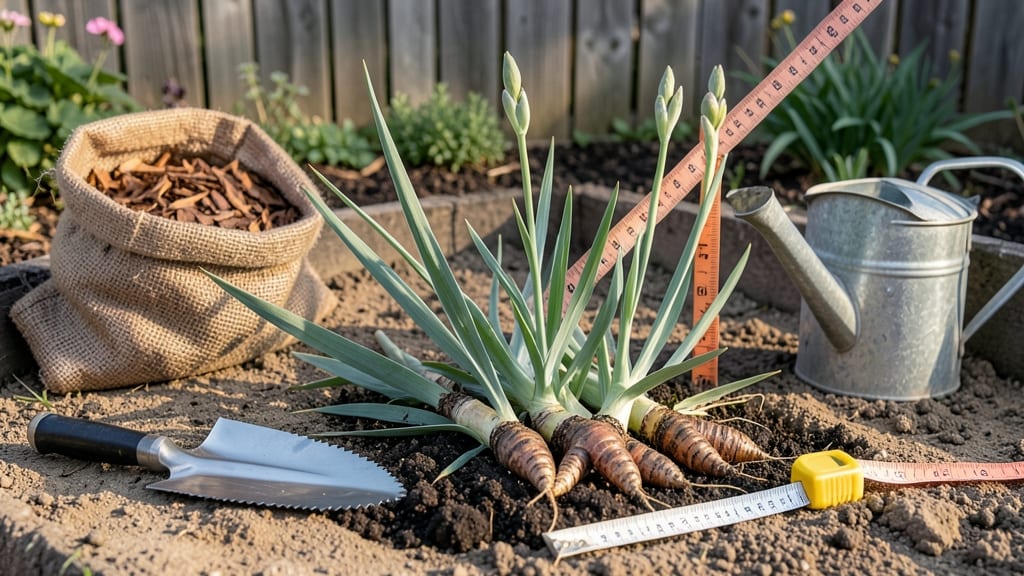
Transplanting iris bulbs in spring requires timing between late March and early May, well-draining soil amended with compost, and careful handling to preserve root systems—avoid disturbing rhizomes deeper than 1 inch below soil level for optimal regrowth.
Spring is the ideal window for iris transplantation because it gives the rhizomes time to establish roots before summer heat arrives. 🌱 The key is working when soil temperatures consistently reach 50°F—this ensures the bulbs wake up enough to grow but haven't yet stressed from drought.
I've found that dividing established clumps in April often yields the best results, as the plants have spent winter storing energy. For northern climates, wait until after the last frost date, while southern gardeners should aim for early spring before the heat sets in.
Beyond timing, the soil itself makes all the difference. Irises despise soggy conditions, so I always mix in sand or gravel to create a loose, gritty texture that prevents waterlogging.
A light layer of compost (about 2-3 inches) adds nutrients without compacting the soil, while a pH between 6.0 and 7.0 ensures the rhizomes can absorb what they need. Pro tip: If your soil is heavy clay, consider planting on a slight mound to improve drainage.
💡 In This Article
- Optimal Spring Timing and Climate Factors for Iris Transplanting
- Step-by-Step Soil Preparation for Healthy Iris Rhizomes
Optimal spring timing and climate factors for iris transplanting
The critical window for transplanting iris bulbs hinges on soil temperature and frost risk. Irises need the ground to reach at least 50°F—this warmth signals the rhizomes to break dormancy and begin root growth.
In most regions, this occurs between late March and early May, but exact timing varies by USDA hardiness zone. For example, in Zone 5, gardeners should wait until after the last frost (typically mid-April), while Zone 8 gardeners can start as early as February.
The goal is to transplant when soil is workable but before summer heat arrives, which can stress newly planted rhizomes.
Rainfall patterns also play a surprising role. Too much moisture right after transplanting can cause rhizomes to rot, while drought can stunt root development. I've noticed that transplanting during a period of moderate rainfall—about 1 inch per week—gives the bulbs enough moisture to establish without waterlogging.
If your spring is unusually dry, plan to water deeply twice weekly for the first month after planting. Conversely, in wet climates, consider raising beds slightly to improve drainage.
The science behind this timing lies in the iris's natural growth cycle. Rhizomes store energy over winter, and spring warmth triggers the production of new roots from the base.
Disturbing them too early (when soil is still cold) can shock the plant, while waiting too long risks overheating the rhizomes before they've established.
Think of it like waking up a hibernating animal—you want them alert but not stressed. 🌱 For example, in my Zone 6 garden, I've found that transplanting in early April gives the rhizomes 6-8 weeks of mild weather to settle in before summer's intensity.
Climate adjustments are key for early vs. late springs. If you experience an unusually warm winter, the rhizomes may wake up earlier than expected—monitor soil temperatures with a simple soil thermometer ($10 at garden centers).
In such cases, transplanting in early March can work, but be prepared to protect new growth from late frosts with row covers. Conversely, in cooler springs, delaying until late May might be necessary, though this reduces the growing season for root establishment.
Geographic location also dictates the best approach. Coastal regions often have milder springs, allowing earlier transplanting, while inland areas may need to wait for soil to dry out after winter rains. For instance, Pacific Northwest gardeners can start in February, while Midwest gardeners should wait until late April.
The rule of thumb is to aim for 4-6 weeks of warm soil before summer heat arrives—this gives rhizomes time to develop a strong root system before drought stress sets in.
One common mistake is transplanting when the tops are already flowering. While the blooms may look beautiful, the plant is diverting energy to reproduction rather than root growth. Always wait until after flowering (typically 6-8 weeks post-bloom) to ensure the rhizomes have stored enough energy for successful transplantation.
This timing also reduces transplant shock, as the plant isn't expending resources on both new growth and recovery.