
Planting
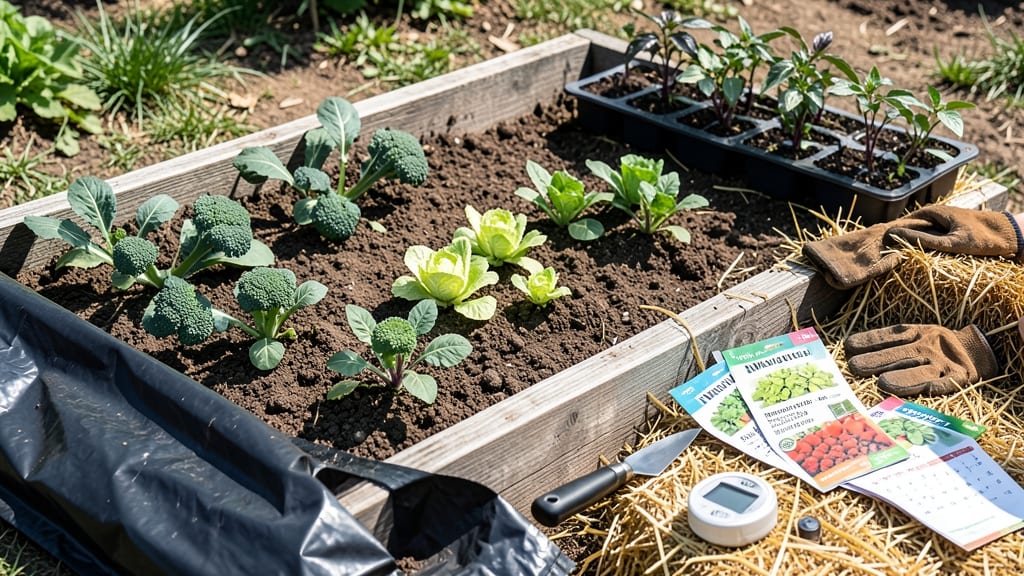
Planting a vegetable garden in Pennsylvania at the right time means the difference between a bountiful harvest and a sad pile of frost-bitten seedlings.
Pennsylvania’s unpredictable frost dates can make or break your vegetable garden’s success—planting too early risks frost damage, while waiting too long shortens your growing season. Mastering the perfect timing for your region is the key to maximizing yields and avoiding common gardening mistakes.
Whether you’re growing heat-loving tomatoes or cold-hardy spinach, knowing your last spring frost date and first fall frost is critical. In Zone 5, you might start cool-season crops like broccoli as early as March, while warm-season favorites like peppers need to wait until after May 15.
This guide breaks down the best planting windows by month, soil prep tips, and how to extend your growing season—so you can grow more without the guesswork.
Pennsylvania’s frost dates by region: critical planting windows for vegetables
Understanding Pennsylvania’s frost dates is essential for timing your vegetable garden correctly. The state spans USDA Zones 5-7, with dramatic differences between regions—some areas experience 120+ frost-free days, while others have just 90 days.
These variations determine when to plant heat-loving crops like tomatoes versus cold-hardy greens like spinach.
I’ve broken down the average last spring frost and first fall frost dates for Pennsylvania’s seven key climate zones. Use this as your guide to avoid frost damage while maximizing your growing season.
For example, Zone 5 (northwest PA) has a much shorter window than Zone 7 (southeastern PA), so your planting schedule should reflect these differences.
Heat-sensitive vegetables like peppers, eggplants, and tomatoes need to wait until after the last frost, while cool-season crops such as kale, broccoli, and carrots can handle—and even thrive in—cooler temperatures.
Knowing these frost dates helps you plan seed starting indoors and transplanting outdoors at the perfect time.
Here’s a detailed comparison of frost dates across Pennsylvania’s regions to help you determine your planting windows for both spring and fall gardens.
| Region & Zone | Avg. Last Spring Frost | Avg. First Fall Frost | Frost-Free Days | Best Time for Warm Crops | Best Time for Cool Crops | ||||||||||||||||||||||||||||||||
|---|---|---|---|---|---|---|---|---|---|---|---|---|---|---|---|---|---|---|---|---|---|---|---|---|---|---|---|---|---|---|---|---|---|---|---|---|---|
| Northwest PA (Zone 5) | May 10–15 | Oct 1–10 | 90–100 days | Late May–Early June | Early April–Mid-Sept | ||||||||||||||||||||||||||||||||
| Northeast PA (Zone 5) | May 5–10 | Oct 5–15 | 100–110 days | Late May–Early June | Early April–Late Sept | ||||||||||||||||||||||||||||||||
| Central PA (Zone 6) | April 25–May 5 | Oct 15–25 | 110–120 days | Early May–Mid-May | Late March–Mid-Oct | ||||||||||||||||||||||||||||||||
| Southeast PA (Zone 7) | April 10–20 | Nov 1–10 | 150–160 days | Mid-April–Early May | Early March–Late Oct | ||||||||||||||||||||||||||||||||
| Southwest PA (Zone 6) | April 20–May 5 | Oct 25–Nov 5 | 130–140 days | Early May–Early June | Late March–Mid-Oct | ||||||||||||||||||||||||||||||||
| Erie Region (Zone 5) | May 15–20 | Sept 25–Oct 5 | 85–95 days | Late May–Early June | Early April–Mid-Se
Best vegetables to plant by month in Pennsylvania: month-by-month schedulePennsylvania’s diverse climate means your vegetable garden’s success hinges on timing. Cool-season crops thrive in early spring or fall, while warm-season plants need summer’s heat. Use this month-by-month guide to align planting with PA’s frost dates and soil temperatures for maximum yields. Start by categorizing your plants: cool-season (spinach, kale), warm-season (tomatoes, peppers), and year-round (lettuce, carrots). Pennsylvania’s USDA Zones 5-7 mean frost dates vary—plan accordingly to avoid losing tender seedlings to late frosts or missing harvest windows.
For cool-season crops, prioritize early spring (March-April) and late summer (August-September) planting. Direct-sow spinach and peas as soon as soil is workable—typically 2-4 weeks before last frost. Use row covers to protect tender seedlings from late frosts (common in PA’s Zone 5 areas). Warm-season vegetables like tomatoes and peppers demand patience—start seeds indoors in March and transplant after all danger of frost (usually mid-May to early June in most of PA). Soil temperature should reach 60°F+ for optimal germination. Test with a soil thermometer if unsure. Year-round crops like lettuce and carrots thrive with succession planting. Sow every 2-3 weeks from spring to fall for continuous harvests. Use shade cloth in summer to prevent bolting. For garlic, plant in October for next year’s harvest—this aligns with PA’s fall frost timing. Pro tip: Track your local frost dates using Penn State Extension’s frost maps. Adjust planting windows 1-2 weeks earlier in southern PA (Zone 7) and 1-2 weeks later in northern regions (Zone 5). This flexibility ensures your garden thrives regardless of microclimate. |