
Plants
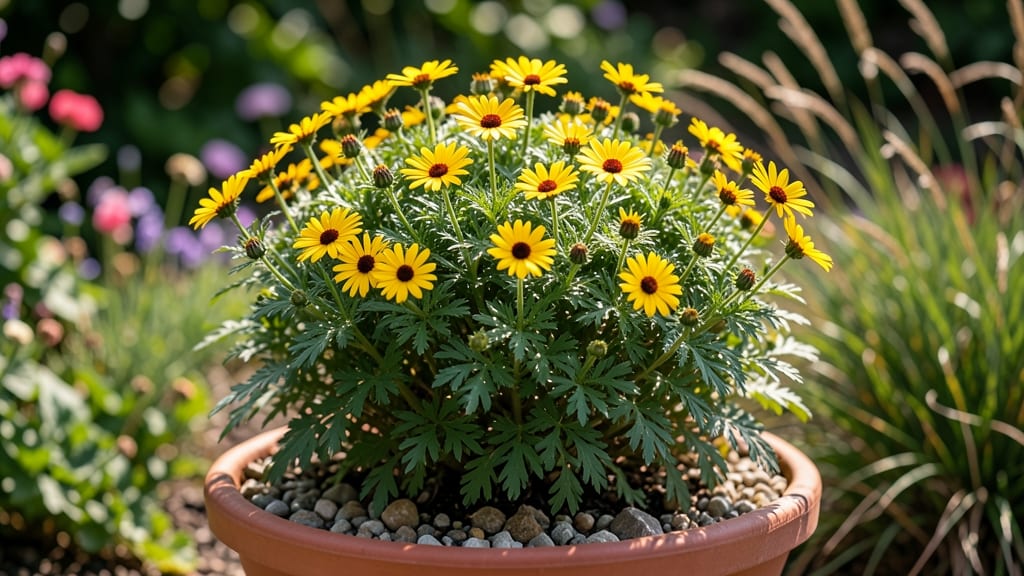
The American goldfinch plant (Lithospermum caroliniense) thrives in sunny meadows and attracts goldfinches with its nectar-rich purple flowers, which bloom late summer to fall when birds need food most. Plant in well-drained soil and pair with native grasses for optimal bird habitat.
The American goldfinch plant (Lithospermum caroliniense) isn't just a pretty purple bloom—it's a late-season lifeline for these birds when other food sources dwindle. 🌿 Its tubular flowers produce high-energy nectar that goldfinches adore, while the seeds provide essential protein for their diets.
What's fascinating is how its fall blooming cycle aligns perfectly with goldfinch migration patterns, creating a natural feeding station. This native perennial also supports pollinators like bees and butterflies, making it a triple-threat for your garden ecosystem.
For best results, plant in full sun with well-draining soil and space them about 12-18 inches apart. When combined with native grasses like little bluestem or switchgrass, you'll create an ideal habitat that mimics their natural prairie environment.
The key is maintaining that open, airy meadow look—goldfinches prefer areas where they can spot predators easily while foraging.
💡 In This Article
- Why Goldfinches Love American Goldfinch Plant Flowers
- Best Companion Plants for Goldfinch Gardens
Why goldfinches love American goldfinch plant flowers
The secret lies in the plant's tubular purple blooms, which are perfectly adapted to goldfinch feeding habits. These flowers produce copious amounts of high-energy nectar that goldfinches can access with their specialized beaks.
The nectar contains approximately 20-25% sugar concentration, providing the quick fuel these migratory birds need during their late summer to fall journeys. 🌸 What's particularly remarkable is how the flowers' structure supports goldfinch perching - the sturdy stems can bear their weight while they feed.
Timing is everything with this plant. While many flowers bloom in spring, American goldfinch plants typically flower from July through October, aligning perfectly with when goldfinches are molting and preparing for winter. This late-season bloom provides critical nutrition when other food sources are scarce.
The plant's seeds, which mature in fall, offer additional protein-rich sustenance - goldfinches will often cling to the seed heads while eating, providing them with both food and shelter from predators.
The plant's open, airy growth habit creates ideal foraging conditions. Goldfinches prefer areas where they can maintain visual contact with their surroundings while feeding, and this plant's 1-2 foot tall stems with delicate, branching flowers provide perfect perches.
The flowers also attract insects, creating a secondary food source that benefits both the birds and your garden's overall ecosystem. 🐦 This combination of nectar, seeds, and safe perching makes the American goldfinch plant an irresistible resource for these birds.
What many gardeners don't realize is how the plant's self-cleaning mechanism benefits birds. After flowering, the stems remain upright and dry, providing excellent nesting material for goldfinches.
The plant's ability to reseed itself also means it creates a renewable food source year after year, becoming more valuable to goldfinches with each passing season.
This dual-purpose nature - both as a food source and nesting material provider - makes it one of the most effective plants for supporting goldfinch populations.
Scientifically, the plant's success with goldfinches demonstrates a perfect example of co-evolution. Over time, goldfinches developed beaks perfectly suited to access these flowers' nectar, while the plant developed flowers that attract these birds for pollination.
The result is a mutually beneficial relationship where both species thrive. When you plant this species, you're not just adding beauty to your landscape - you're participating in this ancient ecological partnership. 🌿
For maximum effectiveness, plant in areas with full sun exposure (6-8 hours daily) and well-draining soil. The plant's native prairie origins mean it thrives in conditions that mimic its natural habitat - dry, sunny meadows with minimal competition from other vegetation.
This hardiness makes it an excellent choice for both experienced gardeners and beginners looking to create bird-friendly spaces with minimal maintenance.