
Planting
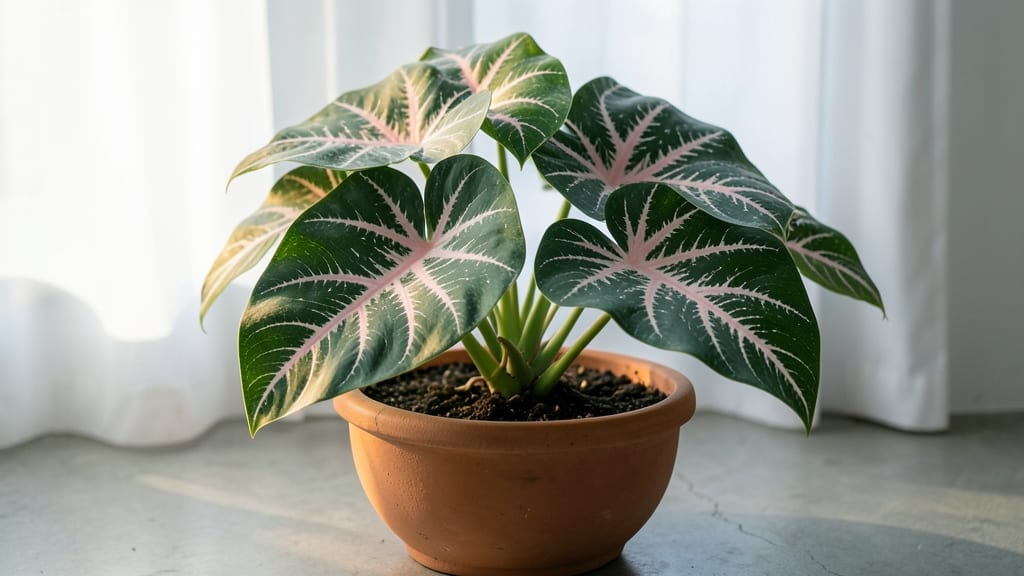
Angel’s Wings plants transform any space with their striking foliage—but they demand just the right balance of care to keep those dramatic leaves thriving. 🌿 I’ve learned the hard way that too much sun or inconsistent watering turns their bold patterns into sad, wilted shadows.
The secret lies in replicating their natural tropical habitat indoors, where they’ll reward you with lush, vibrant foliage for months. These plants love bright, indirect light—think east-facing windows or a few feet back from a south window.
Let the soil stay moist but never soggy, mimicking their rainforest roots, and boost humidity with a pebble tray or regular misting. Skip the fertilizer until spring, when new growth signals it’s time to feed lightly every 4-6 weeks.
Pruning is minimal: simply trim any yellowed or damaged leaves to keep the plant looking sharp. When growth slows in fall, reduce watering and let the plant rest—this prepares it for next season’s spectacular comeback.
The key is consistency; these divas don’t tolerate neglect but thrive with just a little attention. Outdoor growers in zones 10-11 can plant them in shaded garden beds, but most of us will keep them as stunning houseplants.
With the right care, your Angel’s Wings will stay showstopping for years—no pruning drama required.
📚 In This Guide
- What you need
- Instructions
- Tips and common mistakes
- Wrapping up and next steps
What you need
- ● 1-2 Angels Wings tubers – Choose healthy, firm tubers with visible "eyes" (growth points).
- ● Well-draining potting mix – A blend of 50% peat moss or coco coir, 30% perlite or pumice, and 20% vermiculite (or a pre-mixed tropical houseplant mix).
- ● 6-8 inch diameter pot – Ensure it has drainage holes to prevent root rot.
- ● Distilled or rainwater – Tap water can harm the plant due to chlorine/fluoride content.
- ● Hand trowel – For planting and dividing tubers.
- ● Spray bottle – To mist leaves and maintain humidity.
- ● Grow lights (LED or fluorescent) – If natural light is limited (12-14 hours/day).
- ● Humidity tray or pebble tray – Keeps air moist without overwatering.
- ● Fertilizer (balanced liquid or slow-release) – Look for a 20-20-20 NPK ratio or a caladium-specific formula.
How to grow and maintain Angels Wings plants
This elegant vine thrives with simple care—just a few key adjustments for light and water.
🌿 Step 1: Choose the Right Spot for Light and Growth
Angels Wings (Caladium bicolor) loves bright, indirect light—think filtered sunlight through sheer curtains. A north-facing window or a well-lit room with artificial grow lights works perfectly. Direct sun will scorch those stunning leaves, so avoid south-facing windows unless you're using a sheer curtain to diffuse the light.
Watch for leaf color changes: vibrant variegation means you've got the light right. If the leaves start looking dull or the patterns fade, move the plant closer to the light source. Too little light? The leaves will stretch and lose their striking patterns. This plant tells you exactly what it needs through its foliage.
💧 Step 2: Water When the Top Inch Feels Dry
Keep the soil consistently moist but never soggy—this is the golden rule for Angels Wings. Stick your finger about 1 inch deep into the soil. If it feels dry at that depth, it's time to water. Overwatering is the quickest way to kill this plant, so always use a pot with drainage holes and a saucer underneath to catch excess water.
I like to water from the bottom by placing the pot in a shallow tray of water for about 10-15 minutes. This ensures even moisture without disturbing the delicate roots. In winter, when growth slows, you can reduce watering to every 5-7 days instead of weekly. Yellowing leaves? That's often a sign of overwatering.
☀️ Step 3: Maintain Humidity and Warmth
Angels Wings hates dry air—this tropical beauty thrives in humidity levels of 50-70%. If your home runs dry, especially in winter, place the pot on a tray filled with pebbles and water. As the water evaporates, it creates a humid microclimate around the plant. A simple humidifier near the plant also works wonders.
Keep temperatures between 65-80°F—any cooler and growth will slow dramatically. You'll notice the leaves becoming sluggish or even curling if it gets too cold. In summer, avoid drafts from air conditioning or open windows, which can shock the plant. A consistent, warm environment keeps those stunning leaves looking their best.
✂️ Step 4: Prune Only When Necessary
This plant's name says it all—minimal pruning is key. Remove only yellow or damaged leaves with clean, sharp scissors. Snip just above the leaf base to encourage new growth. The real maintenance comes from dividing the plant every 2-3 years when it outgrows its pot or the growth slows.
Here's the thing—Angels Wings grows from tubers, so when you see fewer new leaves emerging, it's time to divide. Gently remove the plant from its pot, separate the tubers, and repot them in fresh soil. This rejuvenates the plant and gives you more vines to enjoy. Just be gentle—those tubers are delicate and can break easily.
🪴 Step 5: Fertilize Lightly During Growing Season
Feed your Angels Wings with a balanced, water-soluble fertilizer every 4-6 weeks during spring and summer. I use a half-strength solution to avoid burning the roots. Look for a fertilizer with equal parts nitrogen, phosphorus, and potassium (like a 10-10-10 blend). In fall and winter, let the plant rest—no fertilizer needed.
You'll see the difference in vibrant new leaves within a few weeks of fertilizing. Over-fertilizing leads to salt buildup in the soil, which can cause brown leaf tips. Always water thoroughly after fertilizing to rinse away any excess nutrients. This plant rewards patience—just a little care goes a long way for stunning results.
Tips & tricks for perfect Angels Wings plant care
Here's what nobody tells you about keeping these stunning plants thriving with minimal fuss.
Lighting Secret: I've found that rotating your Angels Wings plant quarter-turn every few days prevents uneven growth toward the light source. These plants naturally grow toward their light source, so this simple trick keeps those gorgeous leaves symmetrical and vibrant. The 10-15 minutes of bottom-watering I mentioned earlier? That's also perfect for keeping the soil evenly moist while you adjust their position.
Humidity Hack: For an instant humidity boost, place a small pebble tray with water near your plant's window—this creates a mini greenhouse effect. I keep mine about 6 inches from the plant, and it makes a noticeable difference in just a few days. The 50-70% humidity range isn't just a number—you'll see the difference in leaf crispness and vibrancy when you hit that sweet spot.
Watering Wisdom: The 1-inch soil check might seem simple, but here's the thing: use your middle finger for testing—it's less sensitive and gives more consistent results. Also, always empty the saucer after 10-15 minutes of bottom-watering to prevent root rot. I've learned this the hard way after seeing yellowing leaves from waterlogged soil.
Seasonal Strategy: In winter, when your home's air gets dry from heating, move your Angels Wings to a bathroom with natural light. The humidity from showers will help maintain that 50-70% range without extra work. Just keep it away from cold drafts—those 65-80°F temperatures are non-negotiable for happy growth.
Pro Tips for Angels Wings Plant Care
- Here's what nobody tells you about keeping these stunning plants thriving with minimal fuss.
- Lighting Secret: I've found that rotating your Angels Wings plant quarter-turn every few days prevents uneven growth toward the light source.
- Humidity Hack: For an instant humidity boost, place a small pebble tray with water near your plant's window—this creates a mini greenhouse effect.
Frequently asked questions
Got questions about keeping your Angels Wings Begonia thriving? You're not alone—this stunning plant has its quirks! Here are answers to the most common concerns, so you can enjoy those lush, wing-like leaves without the stress.
How often should I water my Angels Wings plant?
Water your Angels Wings Begonia when the top 1-2 inches of soil feel dry to the touch. Aim for once a week (adjust based on humidity and light). Overwatering is the #1 killer—ensure the pot has drainage holes to prevent root rot.
Can Angels Wings survive winter indoors?
Yes! These tropical beauties thrive indoors year-round with bright, indirect light (like an east-facing window). Keep temps between 65–80°F—avoid drafts or cold windowsills. A humidifier or pebble tray helps mimic their natural habitat.
Why are my plant’s leaves turning yellow?
Yellow leaves usually mean overwatering or low light. Check the soil moisture and move your plant to brighter (but indirect) light. If the yellowing spreads, trim affected leaves and adjust your care routine. Pro tip: Brown edges? It’s likely dry air—mist the leaves or group plants together!
How do I propagate Angels Wings Begonia?
Propagating is easy! Snip a healthy stem with 2–3 leaves, dip the cut end in rooting hormone (optional), and place it in moist potting mix. Keep it warm and humid until roots form (4–6 weeks). Repot when established!
What’s the best soil mix for Angels Wings?
Use a well-draining mix like 50% peat moss + 30% perlite + 20% orchid bark. This prevents soggy roots while retaining enough moisture. Avoid heavy garden soil—it’ll suffocate the roots!
Wrapping up and next steps
Caring for your Angels Wings plant (Caladium bicolor) is a rewarding journey that brings lush, vibrant foliage to your space with minimal fuss! 🌿 With the right balance of indirect light, humidity, and occasional pruning, this striking plant thrives effortlessly—even for busy plant parents.
Remember, its bold leaves are its superpower, so focus on keeping conditions cozy and consistent.
Now that you’re armed with expert tips, go ahead and give your Angels Wings the love it deserves! Start by checking its light spot—is it bright enough but not scorching?
Next, treat yourself (and your plant) to a spritz of water or a humidity tray. Your green companion will reward you with stunning, ever-changing leaves! 💚